
Top-rated arborists.

Get matched with top arborists in Tripp, SD

Enter your zip and get matched with up to 5 pros

Need a pro for your arboricultural service project in Tripp, SD?

Select your specific project to find the pro for you.

Find Arborists in Tripp

Avatar for R&N Land Clearing
R&N Land Clearing
4.0(
1
)

Serving Tripp, SD and surrounding areas

Approved

In business since 2024

Free estimates

Offers commercial services

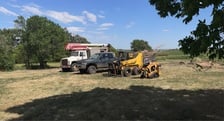
"Large amount of work was needed, and job is about 80% complete. Hard workers that want to do a great job. Very courteous and professional when discussing details. They were willing to rent special equipment to get the work finished."
Response time6 hrs
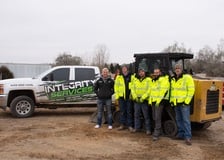
Avatar for Integrity Services
Integrity Services
3.7(
14
)

Serving Tripp, SD and surrounding areas

In business since 2016

Free estimates

Small jobs welcome

"They did a very good professional job. I was very satisfied with them. They showed up when they said they would and completed the job to my satisfaction."
Response time11 hrs
Recommended by88%of homeowners
Dillon's Dakota Excavating Service
2.8(
2
)

Serving Tripp, SD and surrounding areas

In business since 2013

Offers commercial services

"Harlan was professional, polite, and honest. He completed everything in a timely matter, payed attention detail, worked well with all the requirements we needed to abide by, and he did everything himself! Most of the other contractors I had reached out were not willing to follow the guidelines needed. Harlan was great and does not keep you waiting! I would highly recommend him! I was very pleased and have no complaints! He goes above and beyond what you ask of him!"
Response time1 day
Recommended by50%of homeowners
Showing 1-10 of 16
Arborists questions, answered by experts

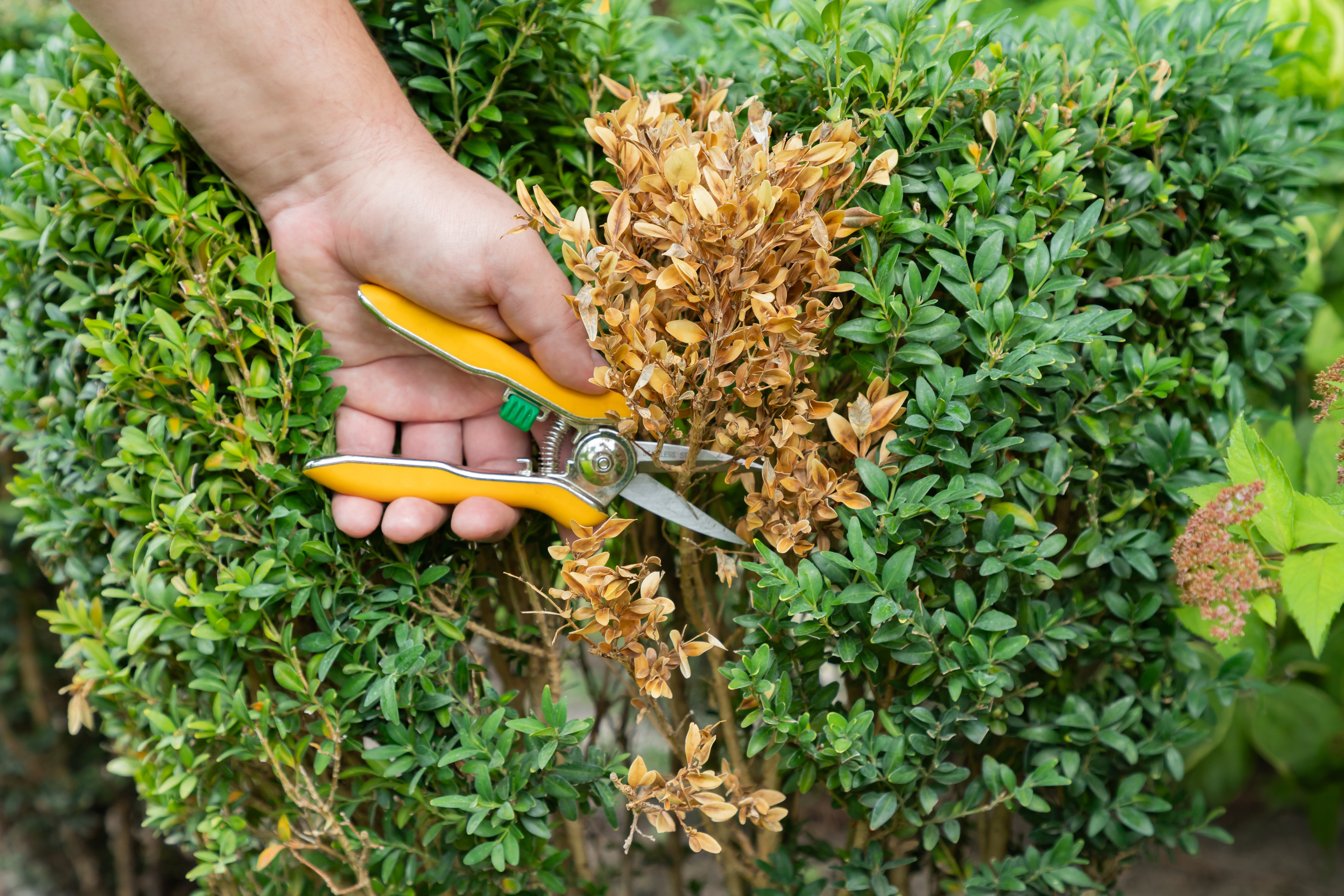
If a tree isn’t pruned, it can inhibit proper growth and fruit production, cause damage to both the tree and your property, and create entry points for pests and diseases. Pruning a tree enhances its stability, appearance, shape, and growth. Pruning trees regularly can also save you money long-term by avoiding overgrown or dangerous dying trees.

There are a few general rules to follow that will help you prune your trees correctly. One of the most important rules is to prune during the correct season for the type of tree you have. Typically, pruning should be during late winter. For younger trees, you should not remove more than a ⅓ of the tree's crown when pruning. Also, remember to remove dead and diseased branches first, then proceed with pruning the rest of the tree.

Yes, you can prune a palm tree with a chainsaw, but a chainsaw is overkill for a job like this. You risk damaging the tree if you make a bad cut. More commonly, you’ll need pruning shears or a serrated knife to trim a palm tree, or you can use a specialized pruning saw instead of a chainsaw.

The best tools for tree removal include a chainsaw for large trees, an ax for notching and cutting down small trees, and a wedge to help control the direction a tree falls in. A hatchet can be useful for very small trees, but won’t be effective for medium to large trees. 

Completely topping a plum tree is a risky business. Cut too much, and you’ll kill your tree. That said, you do need to trim the top of your tree to encourage bushy growth, maintain your tree’s vase shape, and limit size. 

A plum tree's central leader (or trunk) should never extend more than 3 feet above the highest branch. When you first plant your tree, cut the central leader so it’s 2 to 3 feet tall. As it grows, cut it back 12 to 20 inches until it reaches its desired height. Never prune more than one-third of the new growth.

The Tripp, SD homeowners’ guide to arboricultural services

From average costs to expert advice, get all the answers you need to get your job done.