




Top-rated arborists.

Best arborists near Emery, SD

Enter your zip and get matched with up to 5 pros

Need a pro for your arboricultural service project in Emery, SD?

Select your specific project to find the pro for you.

Top-Rated Arborists in Emery - Updated Nov 2026

Avatar for Gorilla Lawnservices Inc
Gorilla Lawnservices Inc
4.6(
22
)
Tree RemovalTree Removal - For BusinessTree Stump - Remove+3 more

Serving Emery, SD and surrounding areas

In business since 2020

Offers commercial services

"Trimmed trees, cleared branches, raked the lawn! Weâ re very professional, Had great tools and always friendly when asked to do more! Kept appointment time and finished in two hours! Would recommend their services!"
Response time1 day
Recommended by76%of homeowners
Affordable Tree Fellers
4.8(
5
)
Tree RemovalTree Removal - For BusinessTree Trimming+1 more

Serving Emery, SD and surrounding areas

In business since 2013

Free estimates

Credit card accepted

"The company contacted me the same afternoon that I listed the request on Home Advisor. The business owner came out and I covered with him the work I wanted done. He was very knowledgeable about trees and how to trim them without damage. He gave me his quoted price for the work which was within the price range I expected I expected to pay. Upon my acceptance of his bid, he returned the next day with his crew to perform the work. They completed the job in one day, which included removing one tree and trimming 9 others. They removed all debris and were careful not to damage the turf in the yard. I was very satisfied with the quality of work, the price and their professionalism. I would hired them again and recommend them to my friends and family."
Response time2 days
Recommended by100%of homeowners
Avatar for Ray's Painting
Ray's Painting
5.0(
6
)
Tree RemovalTree Removal - For BusinessTree Stump - Remove+5 more

Serving Emery, SD and surrounding areas

In business since 2013

Free estimates

Emergency services offered

"Rays painting did an excellent job. They fixed loose boards and replaced bad siding before painting. Ray and his crew were prompt and courteous. They cleaned up after themelves and didn't leave a mess. Very happy with there work and have had numerous compliments from friends and family."
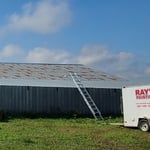
Tank painting
Additional Photos
Additional Photos
Additional Photos
Additional Photos

+8

Recommended by100%of homeowners
Showing 1-10 of 25
Arborists FAQs, answered by experts

In most cases, leaving tree roots underground is not a problem if the stump has been removed or ground below the soil. However, some larger roots may decompose, leaving dents in your soil. Additionally, some aggressive trees, including willows, oaks, elms, maples, and poplars may grow back from roots. Large aggressive trees with established root systems are more likely to grow back.

The best time to transplant a tree is when it is dormant. For many trees, this means either in the fall after the leaves have dropped (around October or November) or in early spring before new growth begins (around March). The ideal timing can depend on the type of tree. Deciduous trees do well when moved in early spring or fall, while evergreens are best transplanted in early spring or late summer. For example, pine trees are best moved in early fall, but maples prefer late fall. Avoid transplanting in winter, as the frozen or hard, cold soil poses a significant risk to the roots and prevents the tree from acclimating properly.

Rock salt or Epsom salt can damage and kill tree roots over several weeks and can even assist in removing the tree's stump. However, you need to drill holes or cut into the stump and surface tree roots to inject them properly with the salt. Repeat the process every two weeks until the roots visibly rot away.

In most cases, you should not use a pruning seal on trees after trimming. Applying a sealant can interfere with the tree's natural healing process, and it does not guarantee protection from pathogens. Instead of sealing the cut, the best practice is to support the tree's natural recovery by providing it with plenty of water and a dormant-style fertilizer. However, there are exceptions. Pruning seals may be recommended for very vulnerable species, like elm trees, in areas where dangerous diseases such as Dutch elm disease are prevalent. In these specific situations, the protection offered by a sealant can outweigh its downsides. For advice tailored to your situation, especially after cutting large branches, it is best to consult a local tree trimming professional.

Whether tree roots will continue to grow after a tree has been cut down depends on the species. Some tree roots will eventually die because they can no longer get nutrients through photosynthesis. However, other species that reproduce through root sprouts can continue to grow and produce new sprouts for seven years or more. For example, the roots of elms, ficus, and willows tend to regrow aggressively, while the roots of pines, oaks, and maples will typically die. To determine if a root system is still active, look for new sprouts on the old trunk, stump, or any exposed roots.

The Emery, SD homeowners’ guide to arboricultural services

From average costs to expert advice, get all the answers you need to get your job done.