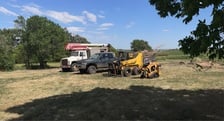
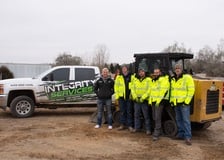
"Large amount of work was needed, and job is about 80% complete. Hard workers that want to do a great job. Very courteous and professional when discussing details. They were willing to rent special equipment to get the work finished."
"Very quick, very professional, the entire crew was extremely professional and kind. Would definitely recommend to anyone looking for any type of painting or more!"
"They did a very good professional job. I was very satisfied with them. They showed up when they said they would and completed the job to my satisfaction."
"Harlan was professional, polite, and honest. He completed everything in a timely matter, payed attention detail, worked well with all the requirements we needed to abide by, and he did everything himself! Most of the other contractors I had reached out were not willing to follow the guidelines needed. Harlan was great and does not keep you waiting! I would highly recommend him! I was very pleased and have no complaints! He goes above and beyond what you ask of him!"
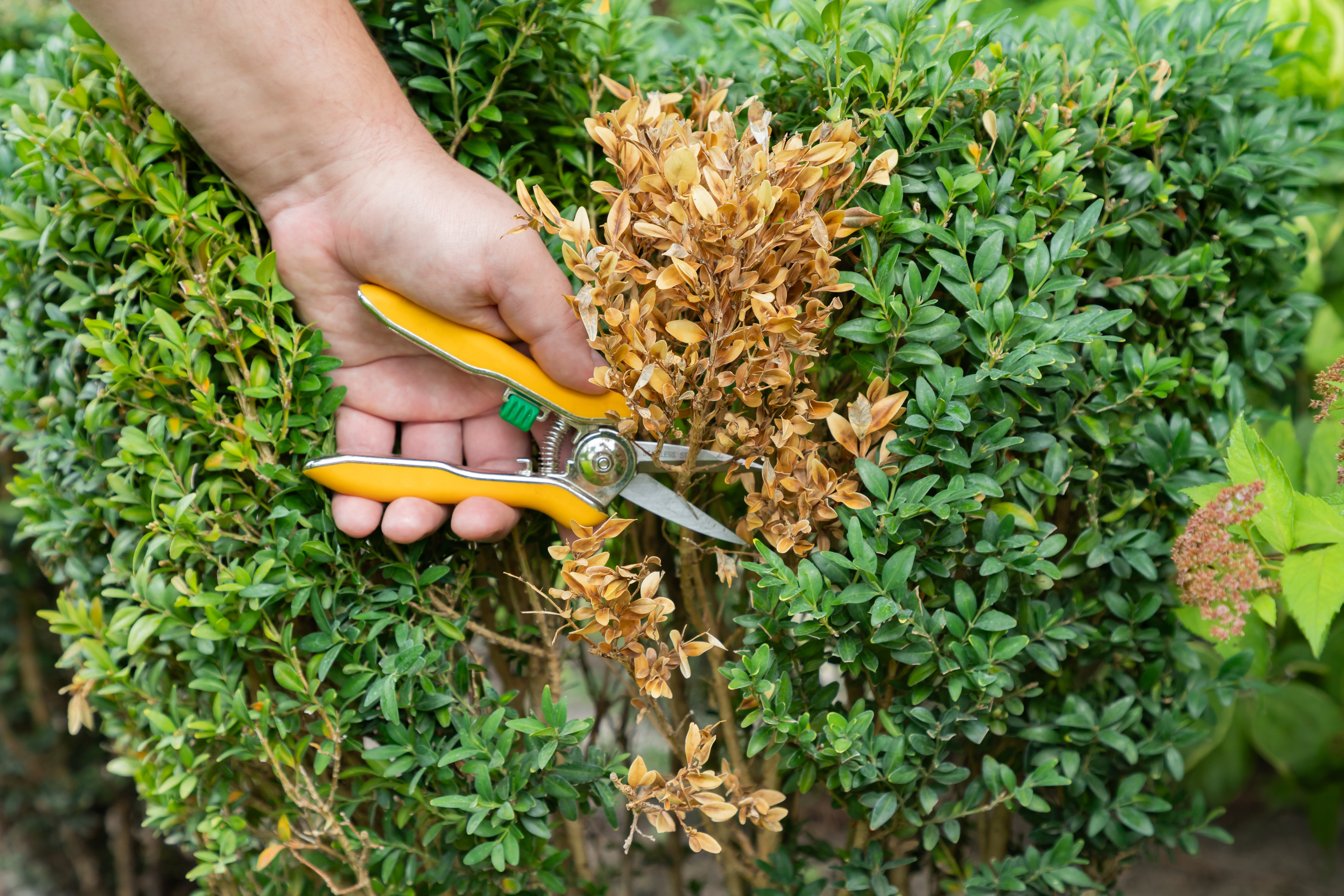
A few signs a tree may be dead is if the leaves are dead and there are no signs of new blooms. You can also perform a scratch test on some of the branches to check the condition of the cambium layer beneath the bark.
If it is green, it is still alive, but if several are dry, brittle, and brown, the tree may be dying or dead. Always consult an arborist before assuming your tree is dead because you may be able to save it.
You may wonder whether tree removal is tax deductible: Tree removal is not tax-deductible for homeowners unless it's related to a federally declared disaster. In that case, the cost may qualify as a casualty loss. However, if you own a commercial property, like a rental home, tree removal could be deductible if it's necessary for safety, maintenance, or part of a larger capital improvement project, and you must hire a professional tree removal service and keep documentation. Always consult a tax professional beforehand to see if you qualify.
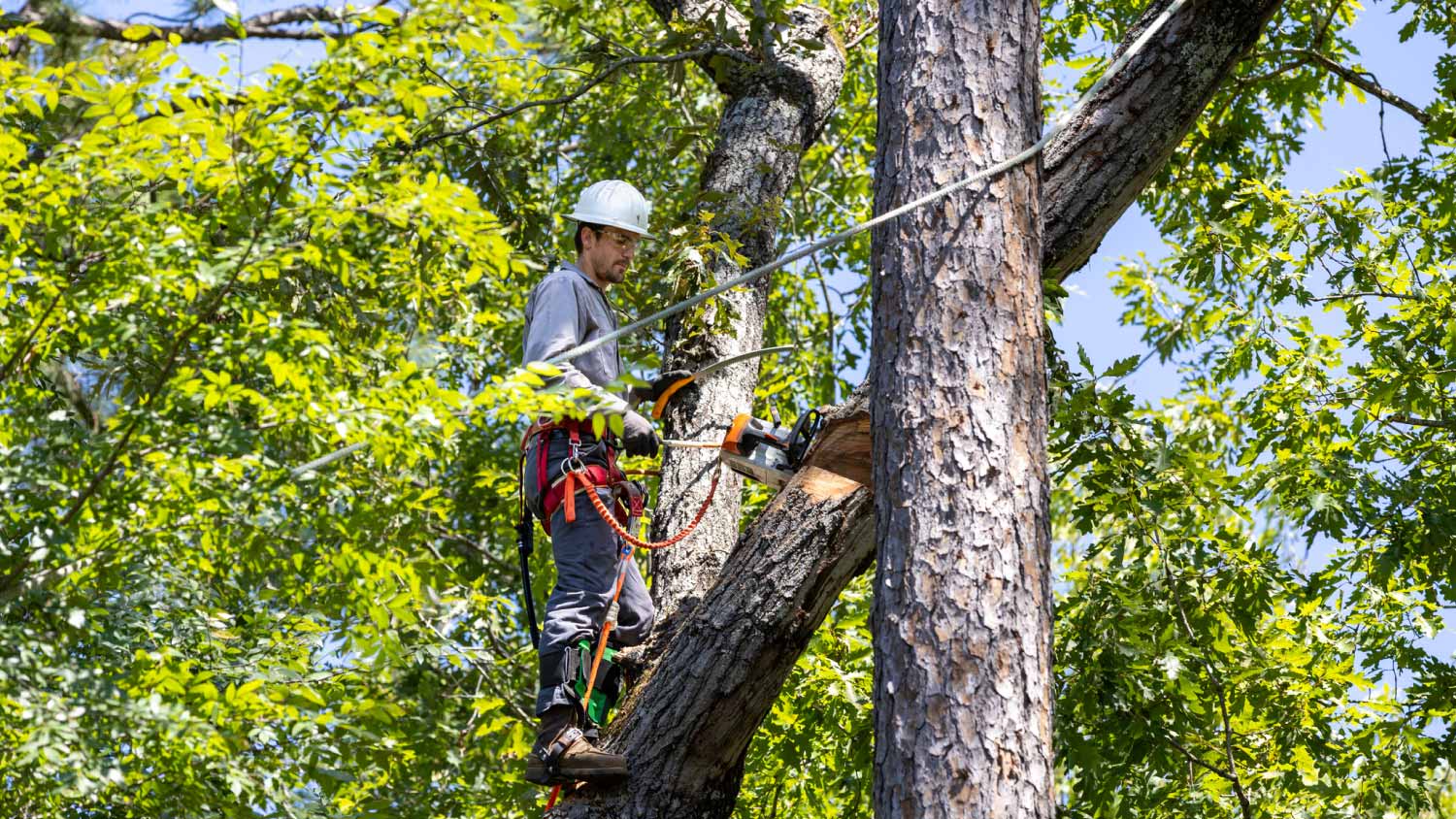
The safest way to cut down a tree is to make sure you’re completely prepared and have done all the necessary safety checks, including double-checking your equipment is in good working order, you have plenty of clearance to fell the tree, you’re wearing all the safety gear, and you have a partner to help you (who should also be wearing safety gear).
If an arborist is certified by the International Society of Arboriculture (ISA), the highest level of certification available is ISA Board Certified Master Arborist. According to the ISA, this credential is reserved for arborists “who have reached the pinnacle of their profession.” Check your arborist’s credentials before hiring to confirm their level of training and expertise.
There are two types of arborists: certified and consulting. A certified arborist is licensed and equipped to provide tree pruning, planting, fertilizing, monitoring, transplanting, treatment, and removal services. A consulting arborist specializes in tree appraisals, diagnosing problems and recommending treatments for illnesses. However, they will not provide these services themselves. Most consulting arborists are certified arborists who can refer you to a tree service that can administer the correct treatments.
The Armour, SD homeowners’ guide to arboricultural services
From average costs to expert advice, get all the answers you need to get your job done.
How much does an arborist cost? This guide explains the cost of different services, ongoing expenses, and other factors to consider when hiring an arborist.
Tree inspections can ensure your trees stay healthy and safe, preventing costly damage. Learn how much tree inspections cost and what can affect the price.
Arborists are specialized tree care experts. This guide will help you hire an arborist with all the qualifications to give your trees the best care possible.