





Top-rated arborists.

Get matched with top arborists in Ethan, SD

Enter your zip and get matched with up to 5 pros

Need a pro for your arboricultural service project in Ethan, SD?

Select your specific project to find the pro for you.

TRUSTED BY ETHAN, SD HOMEOWNERS

  • Average homeowner rating star icon5
    Average homeowner rating
  • Verified reviews icon10
    Verified arboricultural services reviews

Find Arborists in Ethan

SoDak Tree Service
5.0(
3
)
Tree RemovalTree Stump - RemoveTree Trimming

Serving Ethan, SD and surrounding areas

In business since 2020

Free estimates

Credit card accepted

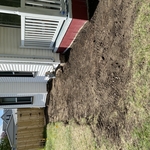
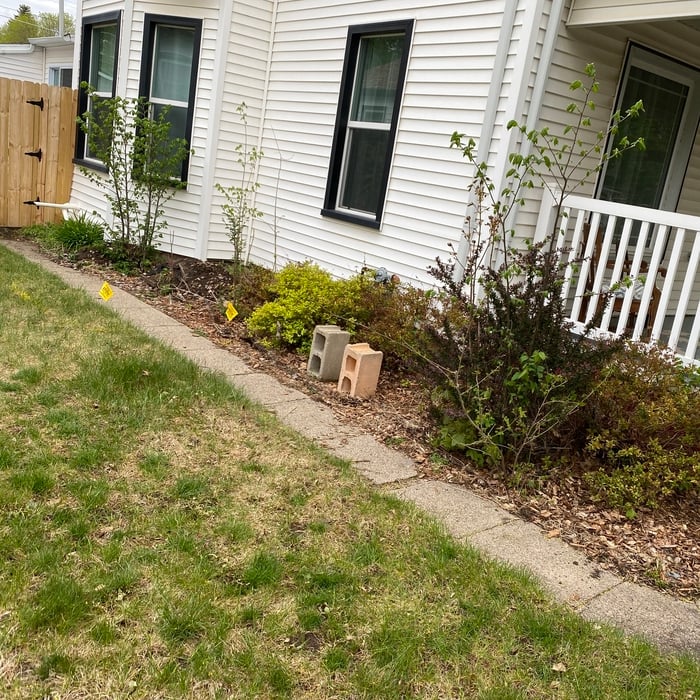
"Anthony and crew removed and trimmed trees, ground out a tree stump, and cleared a junk pile. They were professional, efficient, and did a great job overall. I really appreciate how neatly they cleaned up the work area and hauled the waste to the designated place. Thank you Anthony and crew. We highly recommend this service. Vicki & Rich L."
Response time1 day
Recommended by100%of homeowners
Avatar for Carter Wright
Carter Wright
5.0(
1
)
Tree RemovalTree Removal - For BusinessTree Stump - Remove+3 more

Serving Ethan, SD and surrounding areas

In business since 2022

Free estimates

Credit card accepted

"Removed eight stumps and hauled them away. Took extra time to clean up and backfill holes. Carter was great to work with on scheduling the project. He showed up when he said he would and make quick work of a large project at a reasonable price. Would highly recommend!"
Response time20 mins
Recommended by100%of homeowners
Showing 1-10 of 21
Arborists questions, answered by experts

The ideal time to prune a tree depends on the type of tree. Typically, late winter or early spring is a good time to prune but isn't always the case for "towering trees." It's best to trim when trees are dormant and before blooms appear but can vary depending on the tree type. It's always best to research the type of tree or ask a professional tree trimmer to determine when is the perfect time to prune your tree.

It’s not as common for Dutch elm disease to affect other types of trees, especially if the surrounding trees aren’t elms. However, it is possible for DED to spread to other trees, particularly in northern states, like Minnesota. In fact, it’s a good idea to use geography to identify wood and determine which types of trees are in your yard. 

Unfortunately, the complex and shallow root system of elm trees makes surrounding elm trees particularly vulnerable to DED. Early discovery is key!

Tree roots are hearty and complex systems, so they don’t die immediately after the rest of the tree is removed. If you leave the root system in place, it takes anywhere from two to seven years for it to run out of nutrients. It is worth noting, however, that the roots stop growing and expanding after cutting down the rest of the tree.

It can be bad to leave a dead stump in the ground. A stump becomes a hefty piece of dead wood in time and eventually (especially with the help of rain) starts to rot. That makes it a locus point for diseases and pesky insects, as well as a bit of an eyesore. It’s best to remove a tree stump completely before it starts to decay, especially before it starts to fall apart. If the tree was removed because of disease, it’s even more important to fully remove the stump if possible.

Some trees will bounce back just fine, and others will struggle and possibly die. Evergreens, for instance, have a very difficult time recovering after droughts and usually die after periods of extreme dryness. Usually, you’ll have to just wait and see—if the drought occurs in wintertime, it’s possible that your tree will recover during the gentler springtime.

The Ethan, SD homeowners’ guide to arboricultural services

From average costs to expert advice, get all the answers you need to get your job done.