"They do outstanding work.They take pride and listen as to what you are needing and will work hard to make your dreams come true. You will love what they do as they make your remodel take shape exactly as you wanted and more. Thank you Grand Rising Group."
"The owner was very helpful and suggested someone closer. The contractor and I wondered why he was suggested since he is more than three hours from my location and the hourly rate for the time and distance would not be cost effective."
We pride our company on flexible pricing, reliability, great communication, integrity, and quality work. We are experts in our trade and will do our best to keep you as educated as we can on your particular task or project. We look forward to earning your business! Book with us online or feel free to give us a call today!
We take great pride in our experience, expertise, quality and customer service that we provide to meet the consumers needs. It is our mission to provide excellent workmanship and complete customer satisfaction from start to completion of a project. In order to understand the needs and expectations of our customers, we take great care to work and communicate with every customer in a professional manner. Our reputation is based on service, safety and quality, regardless of how large or small the job.
To prepare your yard for river rocks, smaller rocks may require laying landscape fabric to keep the stones from sinking into the ground while encouraging proper water drainage. You should also clear the land of weeds and larger boulders and, in some cases, test the density of the soil to ensure it can handle the weight.
You may need to lay sod on the areas you dug up once you get the okay from the contractor. It will take about 30 to 45 days for the sod to take root. Consult a local sod installer to get an accurate estimate of the timeline of your specific yard-enhancement project.
Pruning bushes will encourage new growth and flowering and keep them hardy. Removing dead and diseased branches is vital to your bush's health. It can also deter pests from infesting your bushes. Not only is it beneficial to the bushes, trimming and shaping them will make your lawn look lush and polished.
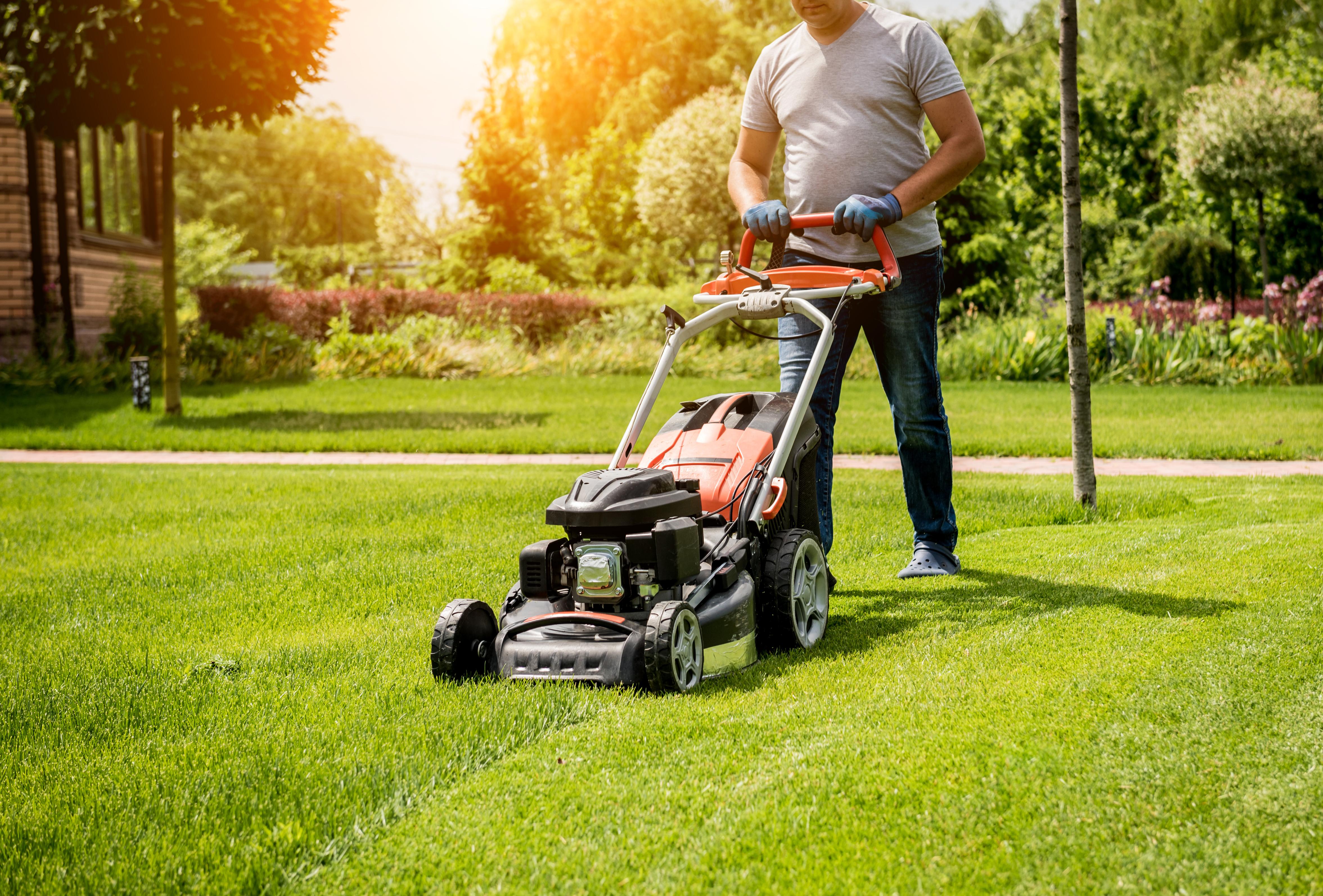
There are tools known as “sprinkler donuts” that are specially designed to aid in cutting the grass around your sprinkler heads by protecting them from your mower or weed whacker. You can also use a pair of hand shears to do the job manually if you’re willing to get a little dirty.
Always do a poop sweep before mowing your lawn. Running your mower over dog waste can be messy, unsanitary, and smelly, and it can spread the poop to other parts of your lawn. Plus, you won’t be able to get it out of the grass (or the mower blades) easily.
The Wagner, SD homeowners’ guide to lawn services
From average costs to expert advice, get all the answers you need to get your job done.
The cost to reseed a lawn can vary depending on the size of your yard and the condition of the soil. We’ll help you figure out the true cost of reseeding or overseeding your lawn, along with whether or not you should hire a professional.
Discover average lawn aeration cost, key price factors, and tips to save. Get a clear estimate for your yard and learn how to choose between DIY and hiring a pro.
When it comes to regular lawn care service—mowing, trimming, weed killing, and other landscaping—don’t settle for anything but the best; here’s how to find it.
Everyone wants lush, green lawns, but how do you do it? Using the right lawn fertilizer schedule is a good way to start. Here’s how to make your yard look its best.
The best grass for high traffic lawns varies based on the planting location. These six grasses are the best choice for anyone who uses their lawn frequently.