





Top-rated radon detection and reduction specialists.

Get matched with top radon detection and reduction specialists in New Castle, PA

Enter your zip and get matched with up to 5 pros

Need a pro for your radon detection and reduction project in New Castle, PA?

Select your specific project to find the pro for you.

Find Radon detection and reduction specialists in New Castle

Avatar for Alpha Radon, LLC
Alpha Radon, LLC
4.9(
34
)
Radon Gas - Abatement

Serving New Castle, PA and surrounding areas

Approved

In business since 2018

Free estimates

Warranties offered

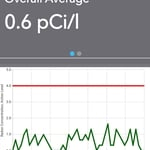
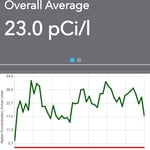
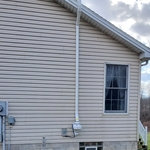
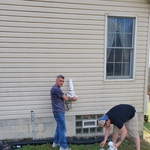
"Alex and his crew showed up exactly on time and were very professional throughout the whole process. They asked me where I wanted the exhaust pipes placed as there were many options. After the work was completed Alex left a radon testing canister and explained how to use it. The pCi/L reading before the mitigation was 7 pCi/L and after it was < 0.4 pCi/L. To top things off, Alpha also has a great warranty. I couldn't be more pleased."
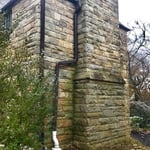
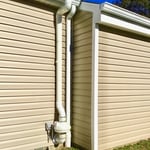
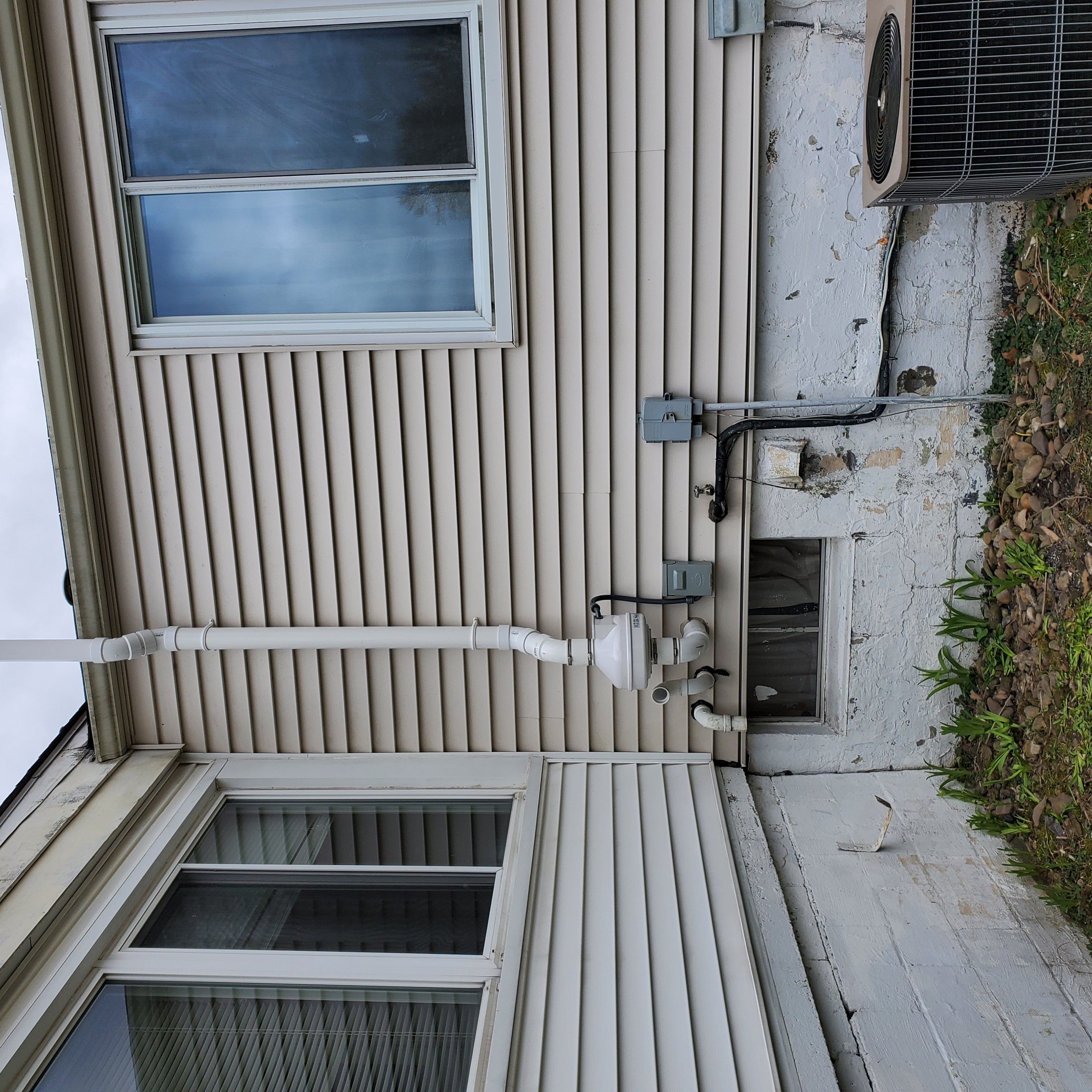
Radon System with Dark Brown Down-Spouting
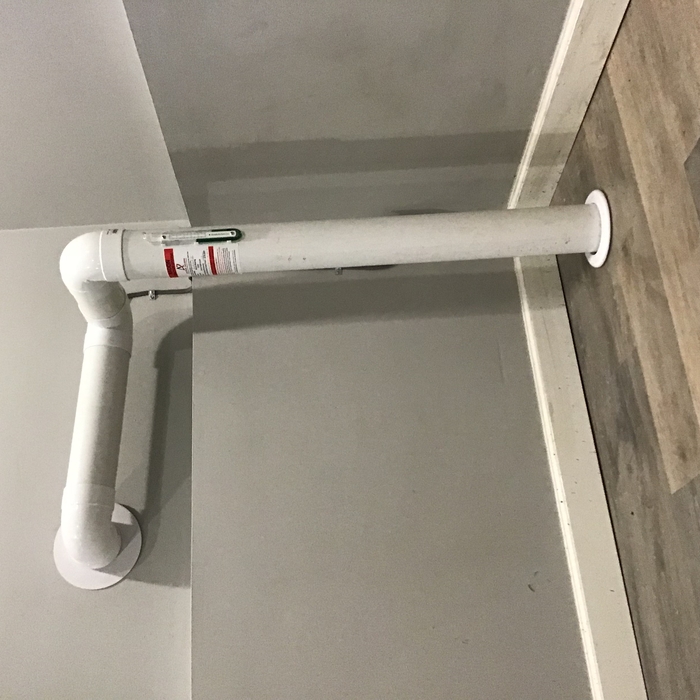
Simple radon system
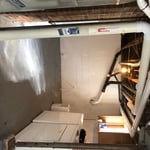
Laundry Room
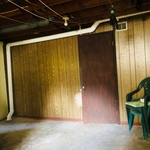
Basement
Inside work

+1

Response time10 hrs
Recommended by100%of homeowners
Radon Detection and Reduction questions, answered by experts

No, air purifiers are not an effective way to reduce or remove radon. Radon is a radioactive, inert gas that cannot be filtered by standard air purifiers, which are designed to capture particulates like dust and mold. While an air purifier can improve indoor air quality by removing other pollutants, it should not be relied upon for radon. The only effective solution for high radon levels is a dedicated radon mitigation system.

Testing every 2-5 years or upon adjusting occupancy or structural changes maintains safe environments.

The natural breakdown of uranium in soil, rock, and water can cause radon to appear in a home. The gas seeps into homes through cracks in foundations, walls, or floors, as well as through gaps around pipes or construction joints. Radon levels are influenced by soil composition, building materials, and ventilation. Poorly sealed or airtight homes can trap radon, allowing it to accumulate.

No level of radon is technically safe, but since it is present everywhere, complete avoidance is impossible. The average radon level in homes across the United States is 1.3 picocuries per liter (pCi/L). The Environmental Protection Agency (EPA) recommends taking preventative measures if your home's radon levels are between 2 and 4 pCi/L or higher.

Installation typically takes 1-2 days, depending on the system and property layout.

The New Castle, PA homeowners’ guide to radon detection and reduction services

From average costs to expert advice, get all the answers you need to get your job done.