








Top-rated radon detection and reduction specialists.

Get matched with top radon detection and reduction specialists in Wampum, PA

Enter your zip and get matched with up to 5 pros

Need a pro for your radon detection and reduction project in Wampum, PA?

Select your specific project to find the pro for you.

Find Radon detection and reduction specialists in Wampum

Avatar for Alpha Radon, LLC
Alpha Radon, LLC
4.9(
34
)
Radon Gas - Abatement

Serving Wampum, PA and surrounding areas

Approved

In business since 2018

Free estimates

Warranties offered

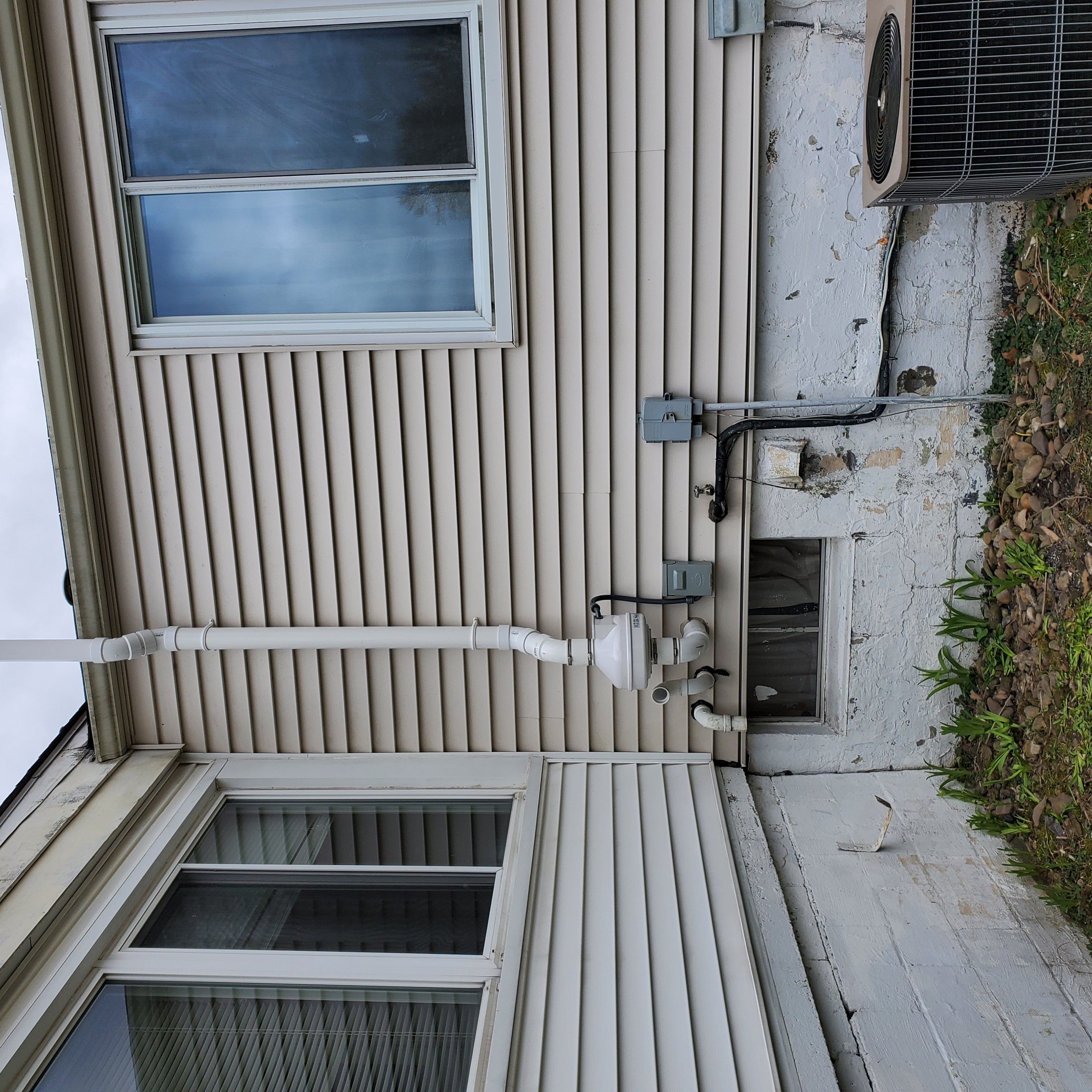
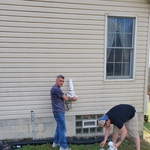
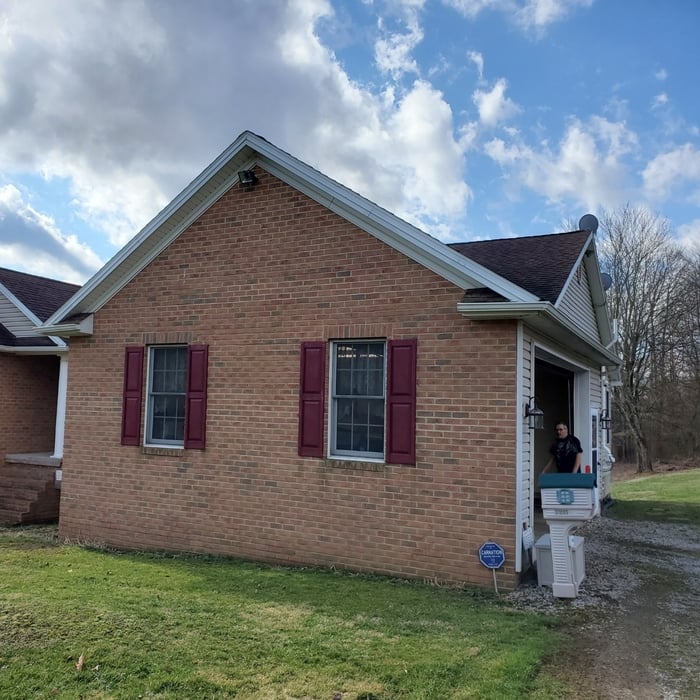
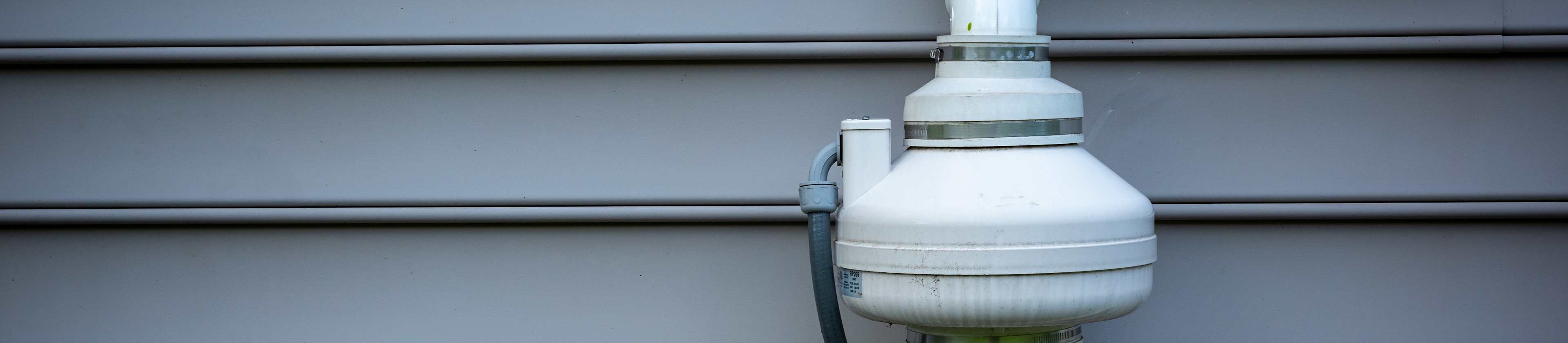
"Alex and his crew showed up exactly on time and were very professional throughout the whole process. They asked me where I wanted the exhaust pipes placed as there were many options. After the work was completed Alex left a radon testing canister and explained how to use it. The pCi/L reading before the mitigation was 7 pCi/L and after it was < 0.4 pCi/L. To top things off, Alpha also has a great warranty. I couldn't be more pleased."
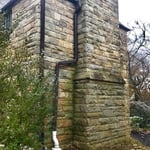
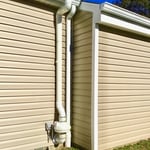
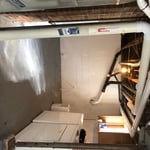
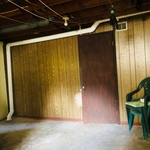
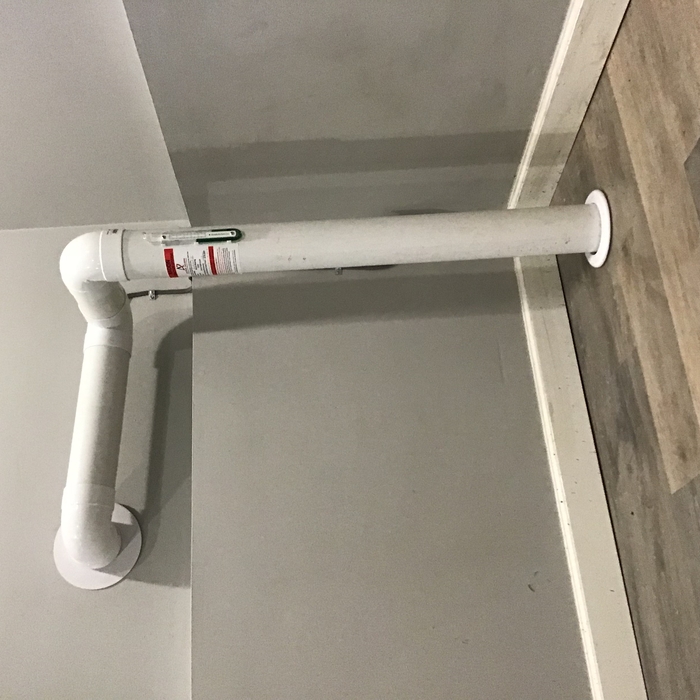
Radon System with Dark Brown Down-Spouting
Simple radon system
Laundry Room
Basement
Inside work

+1

Response time10 hrs
1 neighbors recently requested a quote
Recommended by100%of homeowners

Radon Detection and Reduction questions, answered by experts

Radon is present almost everywhere but, like sunlight, the concentration levels and how often you are exposed to it have a large part to play in just how dangerous it is. There are levels of radon that are acceptable inside a house, but above a certain limit, radon becomes a serious radioactive hazard that is a known cause of lung cancer. In fact, radon exposure is the number two leading cause of lung cancer (after smoking).

Mitigation reduces radon levels, protecting your health and complying with safety standards.

Radon enters your home when warm air begins to rise and exits through the roof, creating a vacuum that pulls cooler air from under the foundation. Part of that air is radon, which is an invisible, odorless gas that develops naturally when radioactive particles are deep within the ground. Those particles usually come from decaying matter in soil and rocks.

The natural breakdown of uranium in soil, rock, and water can cause radon to appear in a home. The gas seeps into homes through cracks in foundations, walls, or floors, as well as through gaps around pipes or construction joints. Radon levels are influenced by soil composition, building materials, and ventilation. Poorly sealed or airtight homes can trap radon, allowing it to accumulate.

A homeowner can install a radon mitigation system on their own. But it’s a challenging DIY that requires a lot of knowledge about radon mitigation as well as familiarity with local regulations. You do not want to risk an improper installation that leaves the system unable to detect radon or gives it a shortened life span. Relying on a professional is the surest way to guarantee a successful installation.

The Wampum, PA homeowners’ guide to radon detection and reduction services

From average costs to expert advice, get all the answers you need to get your job done.