



Top-rated radon detection and reduction specialists.

Get matched with top radon detection and reduction specialists in Patterson Heights, PA

Enter your zip and get matched with up to 5 pros

Need a pro for your radon detection and reduction project in Patterson Heights, PA?

Select your specific project to find the pro for you.

Find Radon detection and reduction specialists in Patterson Heights

Avatar for Alpha Radon, LLC
Alpha Radon, LLC
4.9(
34
)
Radon Gas - Abatement

Serving Patterson Heights, PA and surrounding areas

Approved

In business since 2018

Free estimates

Warranties offered

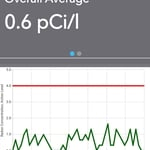
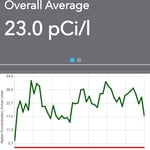
"Alex and his crew showed up exactly on time and were very professional throughout the whole process. They asked me where I wanted the exhaust pipes placed as there were many options. After the work was completed Alex left a radon testing canister and explained how to use it. The pCi/L reading before the mitigation was 7 pCi/L and after it was < 0.4 pCi/L. To top things off, Alpha also has a great warranty. I couldn't be more pleased."
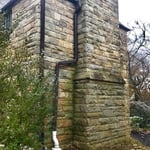
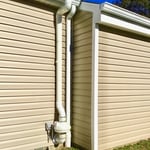
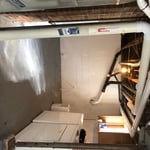
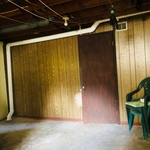
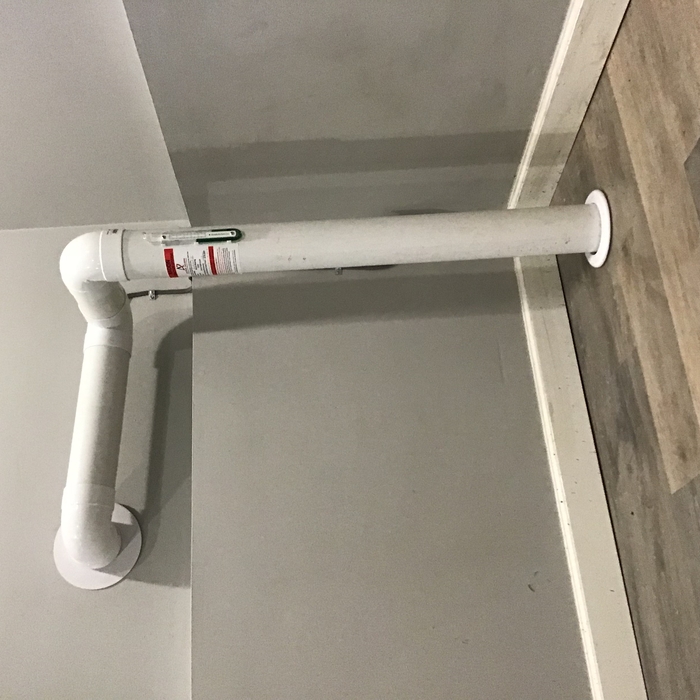
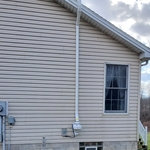
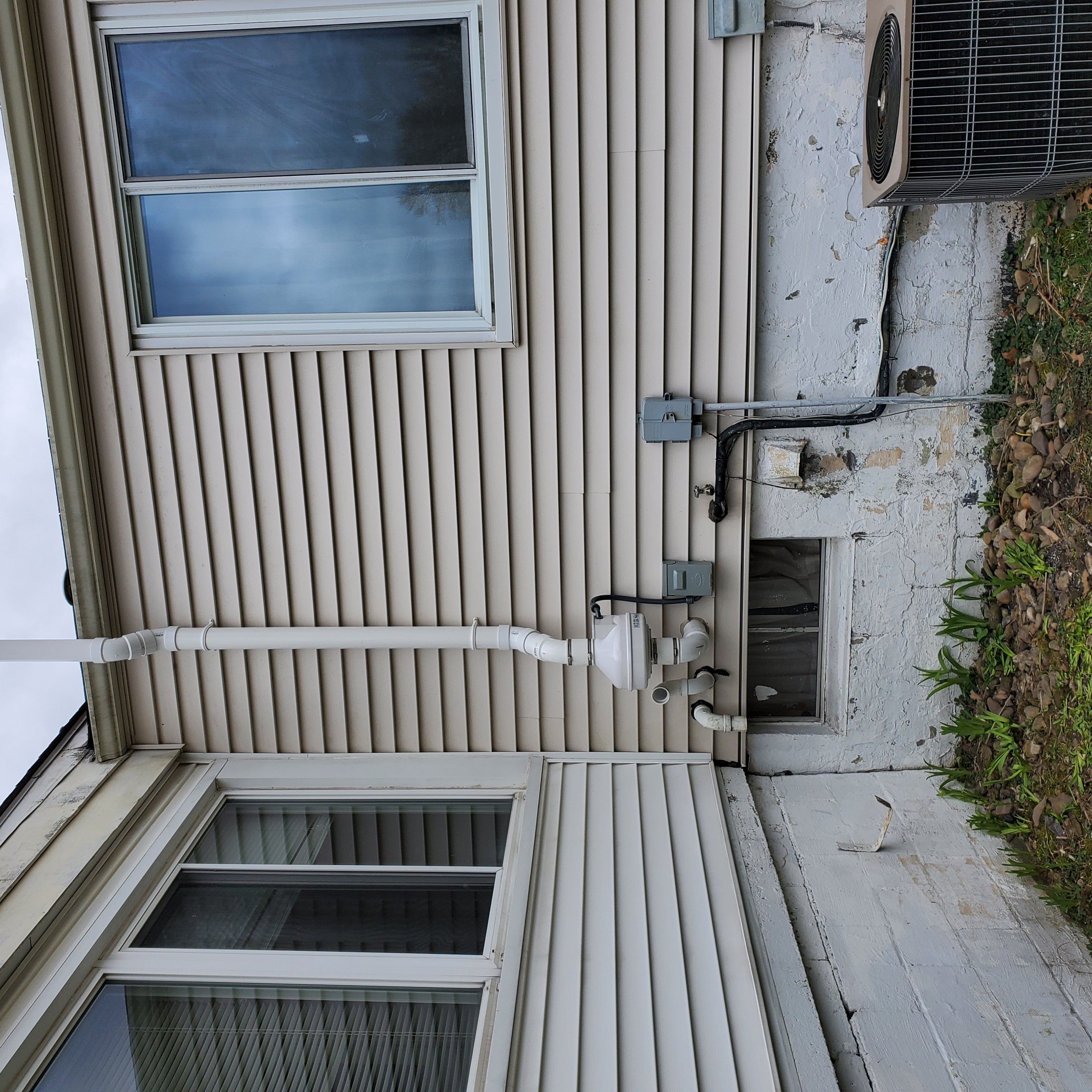
Radon System with Dark Brown Down-Spouting
Simple radon system
Laundry Room
Basement
Inside work

+1

Response time10 hrs
Recommended by100%of homeowners
Home Pro
4.7(
14
)
Radon Gas - AbatementRadon Gas - Testing

Serving Patterson Heights, PA and surrounding areas

In business since 1986

Free estimates

Credit card accepted

"Inspector was on time and explained everything to me. The report was returned a few days later and contained the current condition of the house I was buying, as well as preventive maintenance tips I should know. Coming from someone who doesn't know too much about home repair, I was thankful for the inspector's patience and willingness to explain all the details."
Recommended by100%of homeowners

Radon Detection and Reduction questions, answered by experts

The cost to replace a radon fan ranges from $300 to $600 for the fan itself, with installation adding an additional $200 to $500. Overall, the total cost for replacement can range from $500 to $1,100, depending on factors such as the fan model, home size, and local labor rates. If the fan is part of a larger radon mitigation system, the price may be higher.

The natural breakdown of uranium in soil, rock, and water can cause radon to appear in a home. The gas seeps into homes through cracks in foundations, walls, or floors, as well as through gaps around pipes or construction joints. Radon levels are influenced by soil composition, building materials, and ventilation. Poorly sealed or airtight homes can trap radon, allowing it to accumulate.

Radon detection is crucial as prolonged exposure to radon gas, a leading cause of lung cancer, poses significant health risks in residential environments.

The soil beneath your house is most likely what’s causing an increased level of radon. This is because soil holds radioactivity for a long time and it’s also what most buildings are built on. Another common source of radon is water from a source that hasn’t been through periodic radon tests, such as well water. Over time, the radon from the soil can inhabit other parts of your house like the foundation or plumbing.

The fan that pulls the radon out of the air needs to run continuously, so you may see an increase in your electric bill once you install the mitigation system. Additionally, you may see an increase in your heating or cooling bills, as the fan can cause some loss of hot or cool air.

The Patterson Heights, PA homeowners’ guide to radon detection and reduction services

From average costs to expert advice, get all the answers you need to get your job done.