

Top-rated radon detection and reduction specialists.

Get matched with top radon detection and reduction specialists in Fombell, PA

Enter your zip and get matched with up to 5 pros

Need a pro for your radon detection and reduction project in Fombell, PA?

Select your specific project to find the pro for you.

Find Radon detection and reduction specialists in Fombell

Avatar for Alpha Radon, LLC
Alpha Radon, LLC
4.9(
34
)

Serving Fombell, PA and surrounding areas

Approved

In business since 2018

Free estimates

Warranties offered

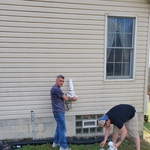
"Alex and his crew showed up exactly on time and were very professional throughout the whole process. They asked me where I wanted the exhaust pipes placed as there were many options. After the work was completed Alex left a radon testing canister and explained how to use it. The pCi/L reading before the mitigation was 7 pCi/L and after it was < 0.4 pCi/L. To top things off, Alpha also has a great warranty. I couldn't be more pleased."
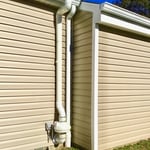
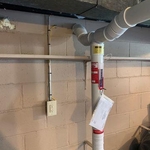
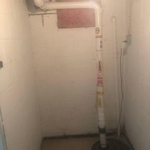
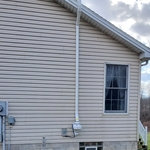
Radon System with Dark Brown Down-Spouting
Simple radon system
Laundry Room
Basement
Inside work

+1

Response time10 hrs
2 neighbors recently requested a quote
Recommended by100%of homeowners
Avatar for Restoration Contracting Services, Inc.
Restoration Contracting Services, Inc.
4.9(
12
)

Serving Fombell, PA and surrounding areas

Approved

In business since 1999

Free estimates

Credit card accepted

"Fantastic experience from beginning to end! Communication was top notch. The installation went very smoothly, and the explanation by Mike (Junior) was appreciated as he and his partner worked through the process. We would recommend this company 1000%. Also, our radon level went from 11 to 0.4."
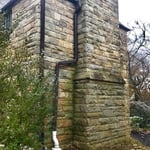
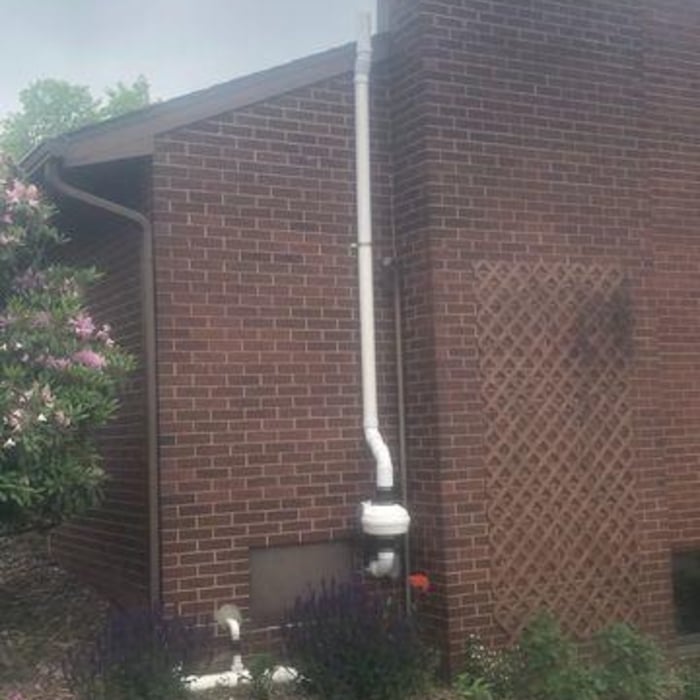
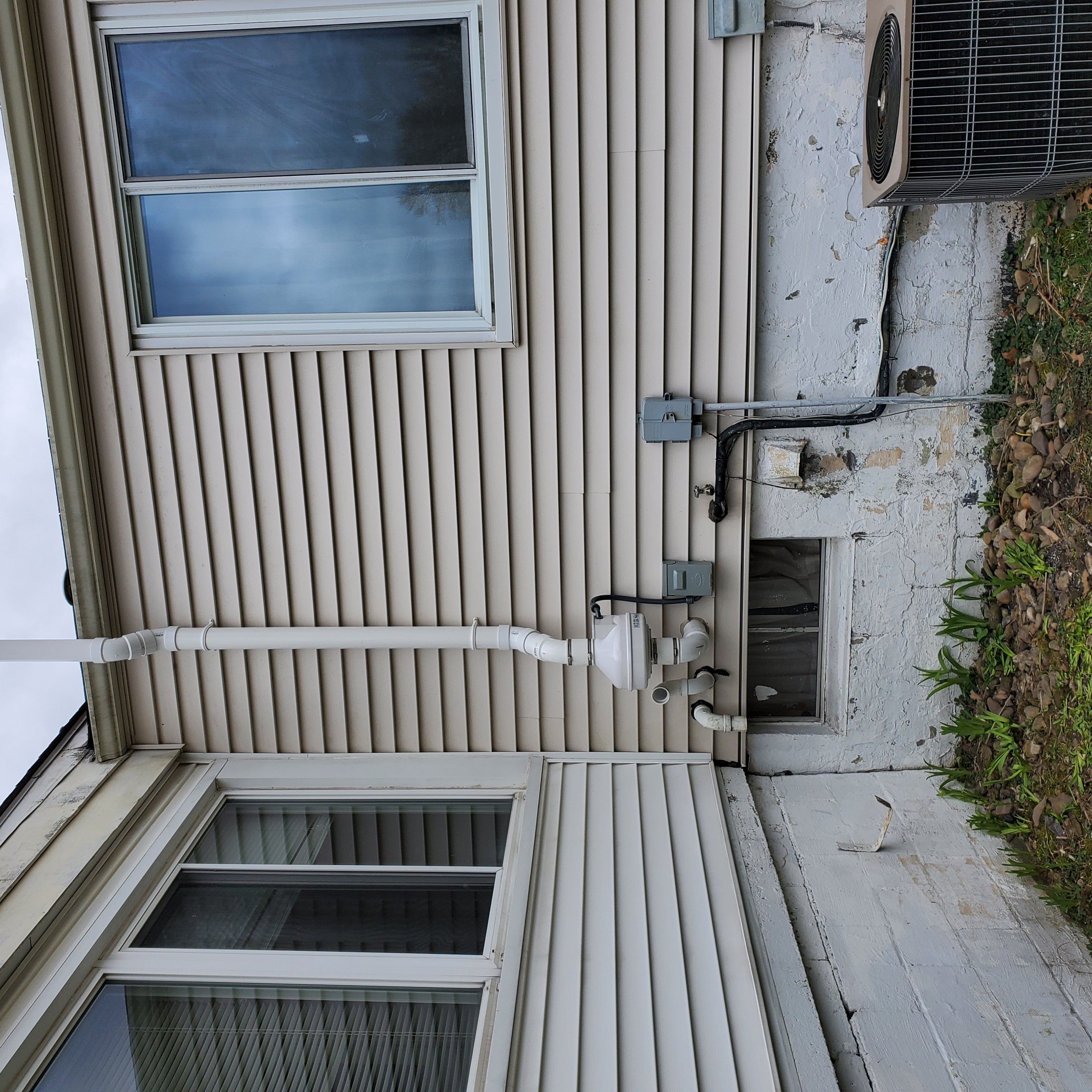
Exterior System
Interior System
Interior System
Interior
Exterior of System

+9

Response time7 hrs
Response rate93%
19 neighbors recently requested a quote
Home Pro
4.7(
14
)

Serving Fombell, PA and surrounding areas

In business since 1986

Free estimates

Credit card accepted

"I had a really good experience with Tom O'Connor. He scheduled quickly and arrived on time. He had me stay with him during the inspection and pointed out things as we went along. He showed me problem areas, explained why they were a problem, and suggested how to fix them. He also reviewed maintenance of things like the boiler and air conditioning. His report arrived on the day he said it would be complete. When he returned in a few days to pick up the radon test he also completed a portion of the inspection of the roof that he couldn't do initially because of snow. His report reflected everything we had talked about and did include the home maintenance points as well. And the report is easy to understand. He confirmed for me that I was getting a good, solid house and that the things that need to be fixed are manageable."
Recommended by100%of homeowners
Radon Detection and Reduction questions, answered by experts

The average radon mitigation system uses about 876 kWh of electricity per year, although the exact amount of electricity used will vary depending on the size of the radon fan. Once the system is installed, the annual increase to your energy bill could range from $30 to $300 per year, again depending on the size of the fan.

The natural breakdown of uranium in soil, rock, and water can cause radon to appear in a home. The gas seeps into homes through cracks in foundations, walls, or floors, as well as through gaps around pipes or construction joints. Radon levels are influenced by soil composition, building materials, and ventilation. Poorly sealed or airtight homes can trap radon, allowing it to accumulate.

The lifespan of a radon mitigation system depends on the type of system and its maintenance. With proper care, a system can last for many decades. Passive systems tend to last longer as they have fewer components that require replacement. Active systems, which have more moving parts like fans, generally have a shorter lifespan. For instance, water filtration devices and active pressurization systems require more frequent maintenance. While the system as a whole is durable, the radon fan in an active system typically has a lifespan of 5 to 10 years and will need to be replaced. As long as the fan is working, the mitigation system should function correctly.

Radon is the number one non-smoking cause of lung cancer in the United States, but it can cause some other concerning side effects in the meantime. If you have a raspy voice, chest pains, trouble breathing, difficulty swallowing, or any of the above, don’t hesitate to perform radon testing and install a mitigation system as soon as possible.

Your radon mitigation system may be loud because it’s time to replace it. Any sounds are usually from the inline fan that helps create the vacuum and resulting airflow. If you hear a new, loud mechanical or humming noise from your radon fan, it might be time to replace it. Most fans used in radon mitigation systems last up to 10 years, but may need to be replaced sooner.

The Fombell, PA homeowners’ guide to radon detection and reduction services

From average costs to expert advice, get all the answers you need to get your job done.