




Top-rated radon detection and reduction specialists.

Best radon detection and reduction specialists near North Braddock, PA

Enter your zip and get matched with up to 5 pros

Need a pro for your radon detection and reduction project in North Braddock, PA?

Select your specific project to find the pro for you.

Top-Rated Radon detection and reduction specialists in North Braddock - Updated Nov 2026

Avatar for Alpha Radon, LLC
Alpha Radon, LLC
4.9(
34
)
Radon Gas - Abatement

Serving North Braddock, PA and surrounding areas

Approved

In business since 2018

Free estimates

Warranties offered

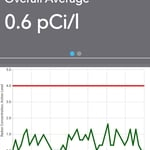
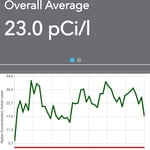
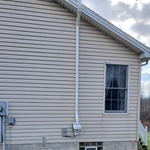
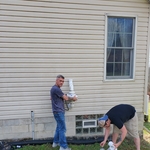
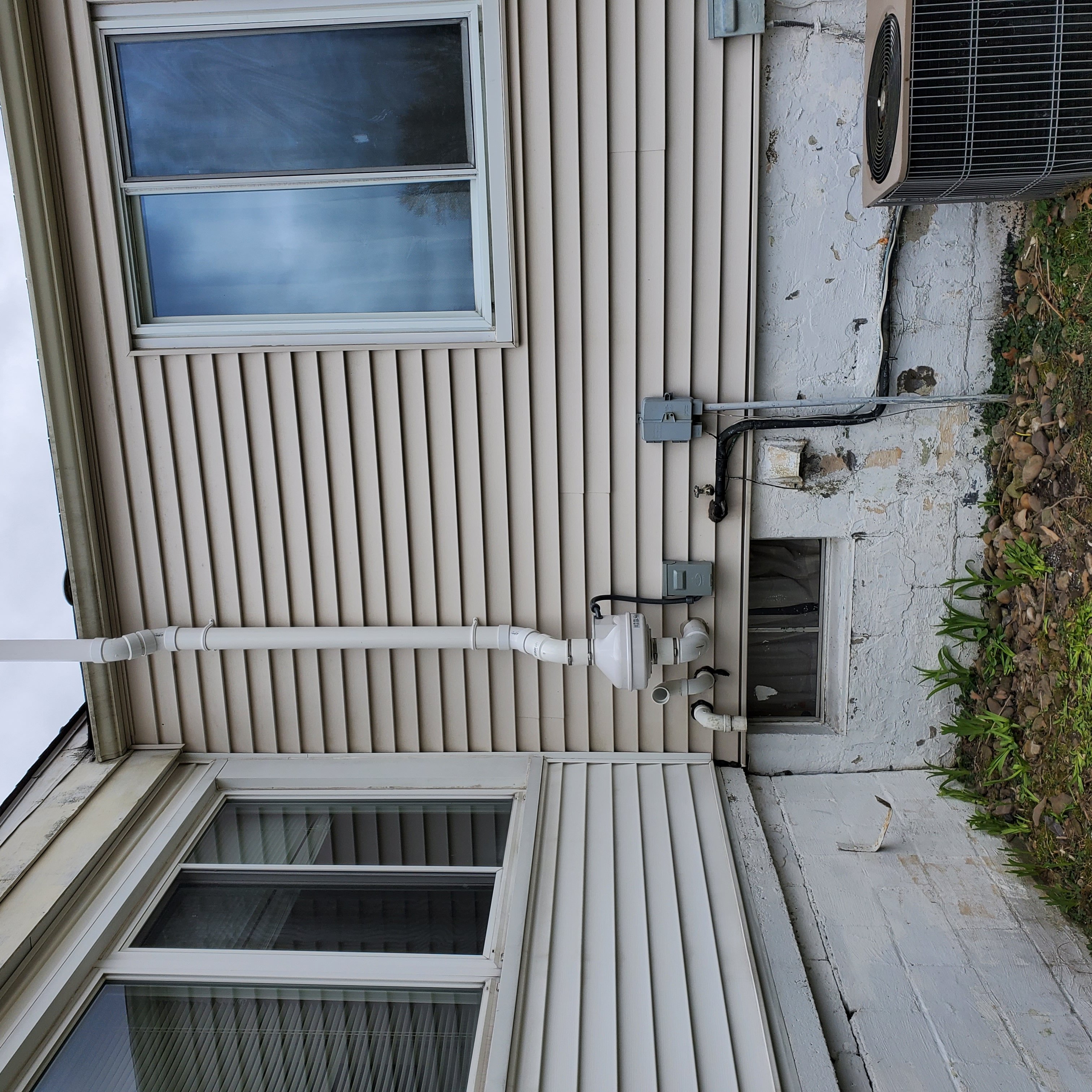
"Alex and his crew showed up exactly on time and were very professional throughout the whole process. They asked me where I wanted the exhaust pipes placed as there were many options. After the work was completed Alex left a radon testing canister and explained how to use it. The pCi/L reading before the mitigation was 7 pCi/L and after it was < 0.4 pCi/L. To top things off, Alpha also has a great warranty. I couldn't be more pleased."
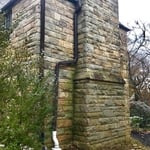
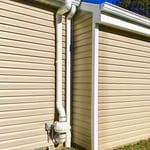
Radon System with Dark Brown Down-Spouting
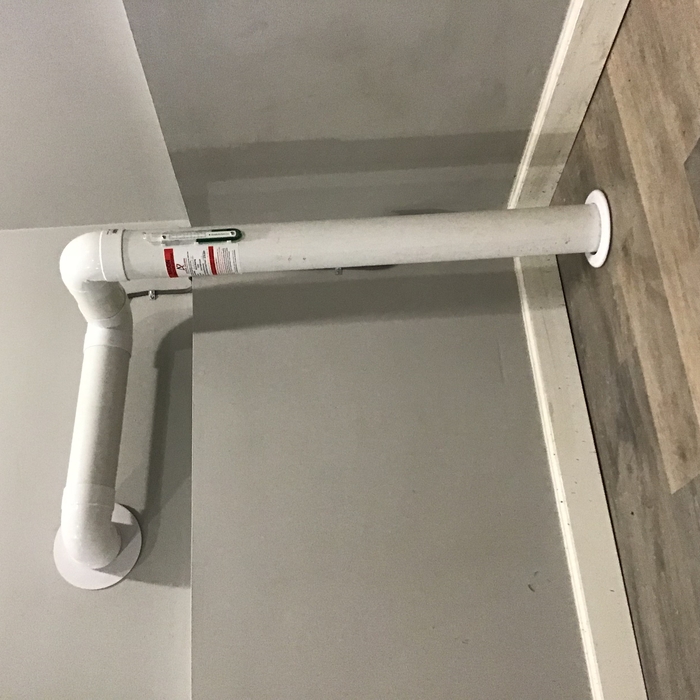
Simple radon system
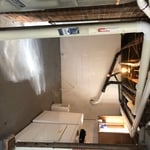
Laundry Room
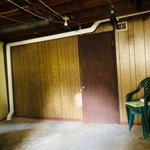
Basement
Inside work

+1

Response time10 hrs
Recommended by100%of homeowners
Home Pro
4.7(
14
)
Radon Gas - AbatementRadon Gas - Testing

Serving North Braddock, PA and surrounding areas

In business since 1986

Free estimates

Credit card accepted

"Inspector was on time and explained everything to me. The report was returned a few days later and contained the current condition of the house I was buying, as well as preventive maintenance tips I should know. Coming from someone who doesn't know too much about home repair, I was thankful for the inspector's patience and willingness to explain all the details."
Recommended by100%of homeowners
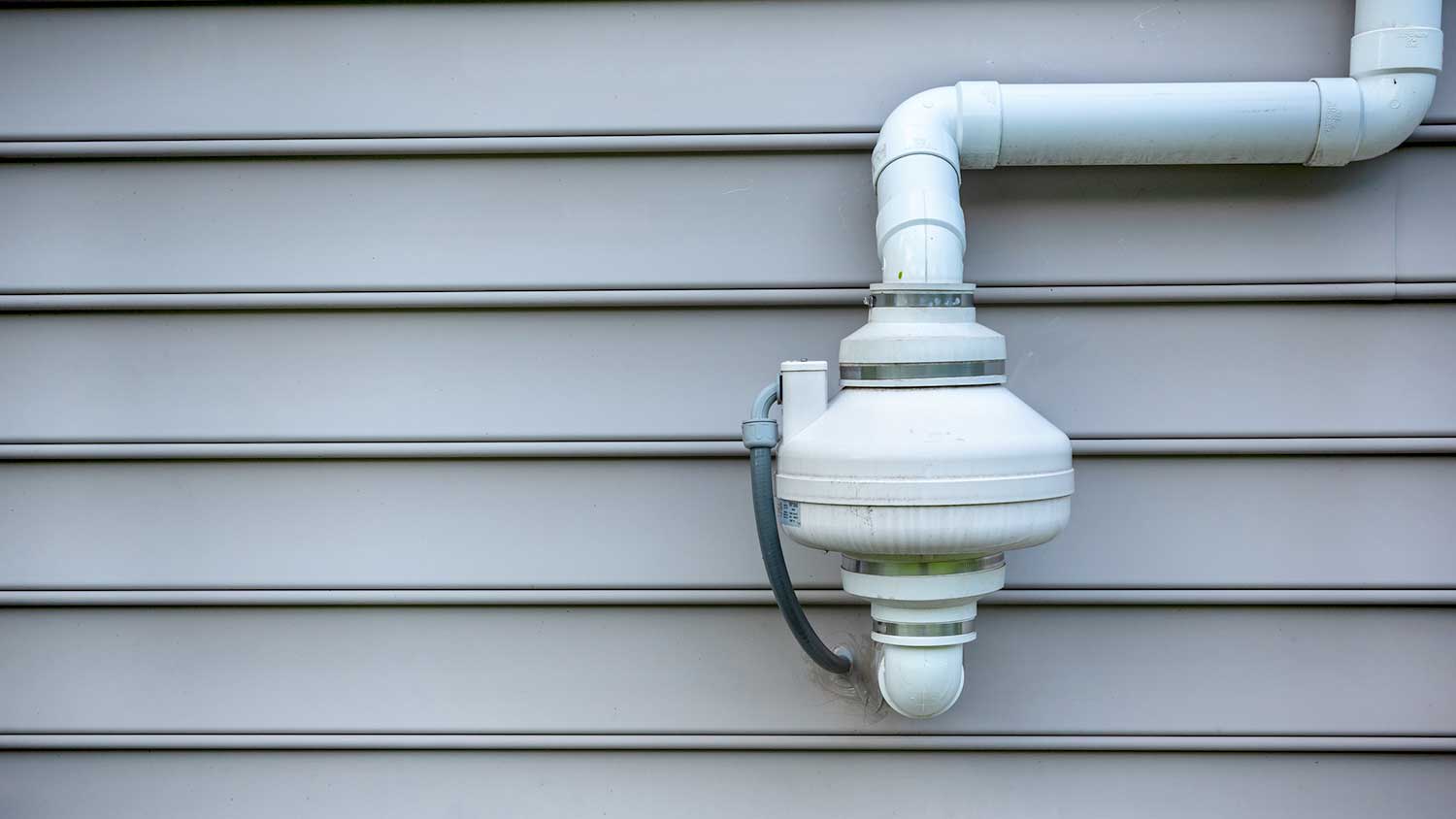
Radon Detection and Reduction FAQs, answered by experts

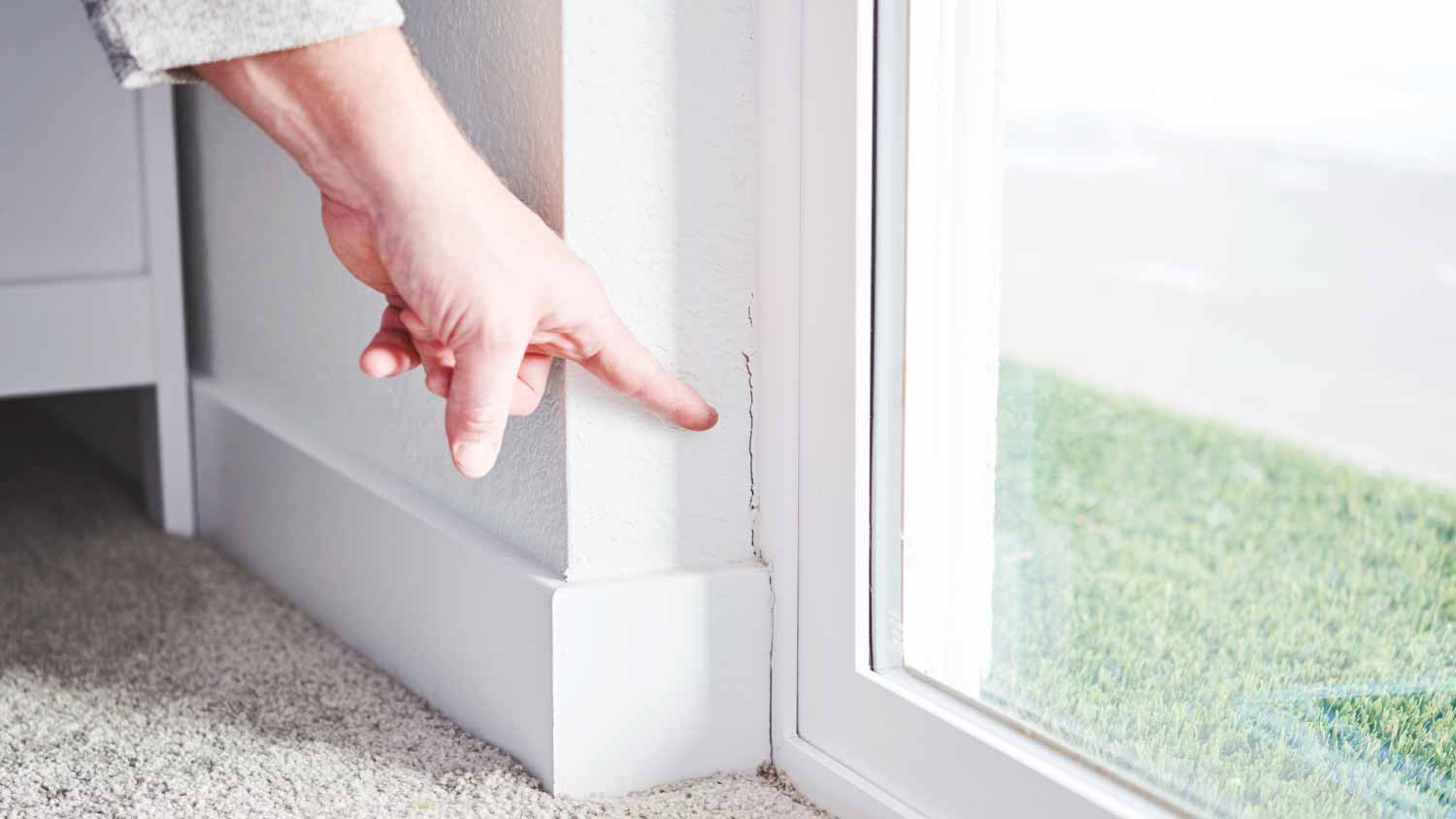
Options include sub-slab depressurization, crawlspace ventilation, and sealing cracks. Choose based on home construction and radon levels.

The soil beneath your house is most likely what’s causing an increased level of radon. This is because soil holds radioactivity for a long time and it’s also what most buildings are built on. Another common source of radon is water from a source that hasn’t been through periodic radon tests, such as well water. Over time, the radon from the soil can inhabit other parts of your house like the foundation or plumbing.

You'll need to test your home for radon after installing the mitigation system, then again every two years. If radon remains elevated, contact a licensed radon professional, either the contractor who installed the system or a different one, and have them evaluate the system. They may need to make some changes to improve its effectiveness and performance.

Installing a mitigation system reduces radon levels, which can cause lung cancer, providing peace of mind and long-term health benefits. It can also increase your home’s value, as many buyers prefer properties with radon safety measures in place. The investment is relatively low compared to the potential health risks associated with prolonged radon exposure.

No level of radon is technically safe, but since it is present everywhere, complete avoidance is impossible. The average radon level in homes across the United States is 1.3 picocuries per liter (pCi/L). The Environmental Protection Agency (EPA) recommends taking preventative measures if your home's radon levels are between 2 and 4 pCi/L or higher.

The North Braddock, PA homeowners’ guide to radon detection and reduction services

From average costs to expert advice, get all the answers you need to get your job done.