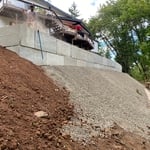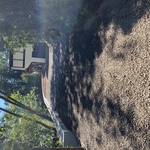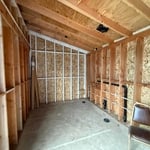




Top-rated excavation pros.

Get matched with top excavation pros in Salem, OR

Enter your zip and get matched with up to 5 pros

Need a pro for your excavation project in Salem, OR?

Select your specific project to find the pro for you.

TRUSTED BY SALEM, OR HOMEOWNERS

  • Average homeowner rating star icon4.7
    Average homeowner rating
  • Verified reviews icon65
    Verified excavation services reviews

Find Excavation pros in Salem

Avatar for S4 Excavation
S4 Excavation
4.6(
13
)
Building Site - Preparation and ClearingExcavation - Major Grading or Resloping

Serving Salem, OR and surrounding areas

Approved

In business since 2021

Free estimates

Small jobs welcome

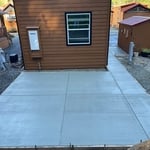
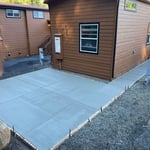
"Jerid and his crew did an amazing job on our site. From clearing the old out and prepping for the new home. Everything was done with professionalism. Jerid always had some amazing ideas and suggestions. No questions were stupid questions. Between Jerid and Brad there was an answer. We would definitely hire S4 again for our projects. We absolutely love how everything turned out. We really can't say enough about Jerid, Brad, Ty and Daydra!!"
Bridge & Driveway Repair
Response time6 hrs
2 neighbors recently requested a quote
Recommended by66%of homeowners
Avatar for Holmes Concrete & Excavation LLC
Holmes Concrete & Excavation LLC
5.0(
9
)
Landscape - Minor Grading or ReslopingBuilding Site - Preparation and ClearingExcavation - Major Grading or Resloping

Serving Salem, OR and surrounding areas

Approved

In business since 2025

Free estimates

Emergency services offered

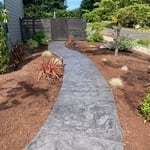
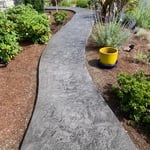
"Holmes Concrete & Excavation designed and installed a stamped, colored concrete walkway around 75% of our house. The walkway passed through our front and rear gardens and also covered the south end of our house where we keep our trash bins and air conditioner unit. The walkway was well designed and helped tie together the exterior of our house in a functional, aesthetically appealing way. James Holmes helped us choose a color for the concrete that matched the exterior of our house. Overall, the final product exceeded our expectations. James and his team were professional, timely, and did a great job communicating the stages of the project. We have 2 dogs and they also did a good job temporarily closing off a portion of our yard to allow the dogs to use the yard without it negatively impacting the project. We are very happy with the work and would highly recommend Holmes Concrete for a variety of concrete related work. We would definitely hire them again."
BLACK ITALIAN SLATE
BLACK ITALIAN SLATE
BROOMED PATIO
OVERALL VIEW
FRONT WALKWAY

+7

4 neighbors recently requested a quote
...
Showing 1-10 of 140
Excavating questions, answered by experts

Prior to excavation, you should prepare the dig site and call 311 before you sign anything.

To get your site ready for excavation, you should move anything in the area that isn’t affixed to the land. You can save money on the excavation by removing hardscaping, including walkways, decks, concrete patios, and paver patios.

Before you carry out any digging, you should call 311 to confirm that there are no utility lines running through your excavation site. Skipping this step could lead to severe injury and property damage if your excavator hits a water, sewage, or gas line.

Hardscaping often requires preparation of the ground in the area where the feature is being installed. This can include digging, compacting, and leveling the soil, ensuring adequate drainage, and removing any existing plants. The extent of preparation needed will depend on the type and size of the hardscaping feature being installed.

The best type of soil to build on is a mixture of sand and clay, known as loam soil. Loam soil has the best combination of these soil types to build a foundation on. The clay particles help with water retention, so it won’t erode like sandy soil might, and the sandy particles help with drainage, so you won’t see unsafe soil expansion or have an increased risk of leaks from water sitting against your foundation.

No, fire blight does not survive free in the soil but instead is carried through insects, animals, rain, or wind during the spring. Keep in mind that it can also spread on tools, which is why you should always disinfect them in between cuts.

The digging depth will depend on the size of the trencher you use. Even smaller units can dig up to 4 feet deep, which is plenty for a DIY job. However, much larger trenchers can reach a depth of 18 feet and are better used by a team of pro contractors, not a single DIYer. As with all home improvement projects, use the right tool for the job and proceed with caution.

The Salem, OR homeowners’ guide to excavation services

From average costs to expert advice, get all the answers you need to get your job done.