




Top-rated plaster repair specialists.

Best plaster repair specialists near Eugene, OR

Enter your zip and get matched with up to 5 pros

Need a pro for your plaster repair project in Eugene, OR?

Select your specific project to find the pro for you.

TRUSTED BY EUGENE, OR HOMEOWNERS

  • Average homeowner rating star icon4.8
    Average homeowner rating
  • Verified reviews icon132
    Verified plaster repairs reviews

Top-Rated Plaster repair specialists in Eugene - Updated Nov 2026

Avatar for Creative Solutions Painting
Creative Solutions Painting
5.0(
12
)
Plaster - RepairPlaster - Repair - For Business

Serving Eugene, OR and surrounding areas

Approved

In business since 1997

Free estimates

Warranties offered

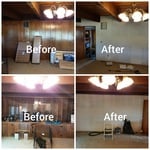
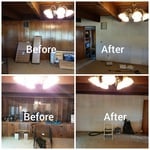
"Tony and his team did an amazing job. We were able to get the job done quickly and efficiently. They provided paint swatches and custom color matching. The site was left spotless and the house looks great. We would definitely use them again!"

Additional Photos
Response time3 days
Response rate100%
5 neighbors recently requested a quote

Elite Custom Plastering and Drywall, LLC
5.0(
1
)
Plaster - Repair

Serving Eugene, OR and surrounding areas

Approved

In business since 2007

Free estimates

Customers say: Quick response

We're a locally owned and operated company with over 10 years of industry experience. We value honesty and integrity, and stand behind our work. We pride ourselves on the quality of our work as well as our commitment to outstanding results. We look forward to building long-term relationships with our clients and guarantee your satisfaction!

Response time6 hrs
Recommended by100%of homeowners
SKILLEDHANDS LLC
4.4(
29
)
Plaster - Repair

Serving Eugene, OR and surrounding areas

In business since 2021

Free estimates

Small jobs welcome

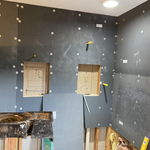
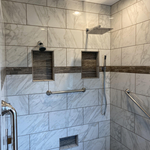
"He provided me excellent service for my major water leak repair and reconstruction. The repairs were better than new. I would highly recommend him for any project. he will be the first one that i will call if I need help. It definitely looks better new. He assisted me with my homeowners insurance. We both ere impressed of his professionalism."
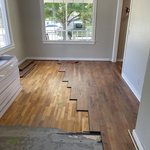
Remodel Master bath
Remodel Master bath
Premier Floor overlay
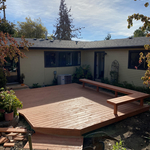
Deck
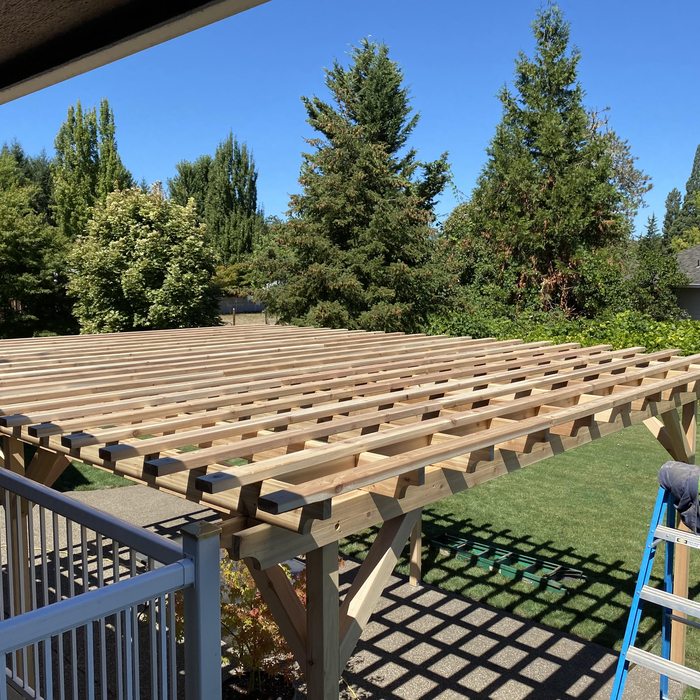
Sun Pergalo

+2

Response time5 hrs
Response rate91%
Recommended by84%of homeowners
Showing 1-10 of 20
Plaster Repair FAQs, answered by experts

Although they have similar applications, spackle and joint compound are not the same. Their primary differences lie in their composition, consistency, and ideal use cases.

Spackle is composed of gypsum and binding agents, making it thicker than joint compound. It dries quickly and is easy to sand, which makes it ideal for small wall repair projects like filling nail holes or patching minor damage.

Joint compound, also known as drywall mud, consists of limestone and gypsum. It is primarily used for large-scale projects, such as taping and finishing the seams on newly installed drywall. It tends to shrink more than spackle and can be more difficult to spread.

While both products can be used to fill small depressions and cracks, spackle cannot replace joint compound for taping and mudding new drywall. Conversely, you can often use joint compound for small patching jobs typically done with spackle.

You can put certain types of plaster over other types, but doing so isn't always the best idea. For example, putting a coat of gypsum over lime plaster is possible, but doing so will limit the lime plaster's breathability and potentially affect its performance.

Since cement plaster tends to leave a textured surface, no matter how much you smooth it, some people prefer to use gypsum plaster as a topcoat over cement plaster, creating a smoother surface.

It depends on the construction of your wall. Most handypeople can fix small holes in drywall. If your wall is plaster or brick, more significant damage may require a drywall contractor or a mason. Hiring a handyperson costs less than a more specialized type of contractor, but they’re not trained in all types of wall repairs.

Venetian plaster is a highly durable wall finish that becomes a rock-like substance once dried, making it last longer than most other wall finishes. Its lifespan can range from decades to centuries, potentially lasting a lifetime. Key factors influencing its longevity include the quality of the initial application, whether it's properly sealed against moisture, and how the wall is maintained and treated (e.g., how often it is touched or bumped). Due to its mineral content, it can also develop a patina over time.

All plaster walls will crack over time due to normal house settling and expansion and contraction from temperature and moisture changes. Small, thin hairline cracks are generally not serious and are mostly a cosmetic issue. However, larger or more significant cracks can indicate structural problems.

Here's how to tell the difference:

  • Cosmetic Cracks: Cracks that are 0.5 cm (0.2 inches) or thinner are typically cosmetic.

  • Structural Cracks: Cracks wider than 0.5 cm, excessive or deep cracks, multiple cracks in the same area, or cracks that span around corners can signify a structural or foundation issue. Cracks along the joints where walls meet the ceiling also warrant attention.

For cracks wider than 0.5 cm, structural repair is needed. If a crack is 2.5 cm (1 inch) or wider, or if you notice any signs of a structural problem, it is best to contact a plaster repair professional to assess the damage.

The Eugene, OR homeowners’ guide to plaster repairs

From average costs to expert advice, get all the answers you need to get your job done.