




Top-rated plaster repair specialists.

Get matched with top plaster repair specialists in Yoncalla, OR

Enter your zip and get matched with up to 5 pros

Need a pro for your plaster repair project in Yoncalla, OR?

Select your specific project to find the pro for you.

Find Plaster repair specialists in Yoncalla

Avatar for JBC Group Solutions Inc
JBC Group Solutions Inc
4.0(
4
)
Plaster - InstallPlaster - Install - For BusinessPlaster - Repair+1 more

Serving Yoncalla, OR and surrounding areas

In business since 2007

Emergency services offered

"They did a real good job. They were real professional. We can now open the garage door from the inside of the house and now it is so smooth that we have to check to see if we hit the button to open it or close it.  Before we used to know when it was opening or closing because it used to make a noise. It helps when you move to a city where you are new. "
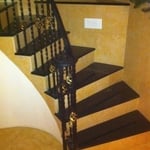
Custom Staircases
Custom Exterior Restoration
Custom Bathrooms
Recommended by75%of homeowners
Plaster Repair questions, answered by experts

It depends on the construction of your wall. Most handypeople can fix small holes in drywall. If your wall is plaster or brick, more significant damage may require a drywall contractor or a mason. Hiring a handyperson costs less than a more specialized type of contractor, but they’re not trained in all types of wall repairs.

The cost to repair a ceiling after a water leak can vary, with averages ranging from $419 to $1,359, or $45 to $55 per square foot. Smaller patches may cost around $150. The final price depends on the size of the affected area and the extent of the damage. Remember that you will also need to repair the source of the leak, such as roof damage or a plumbing issue, which can cost an additional $200 to $1,550. Depending on the situation, you might also face costs for repainting or repairing floors. For an accurate estimate, it is best to get a quote from a professional.

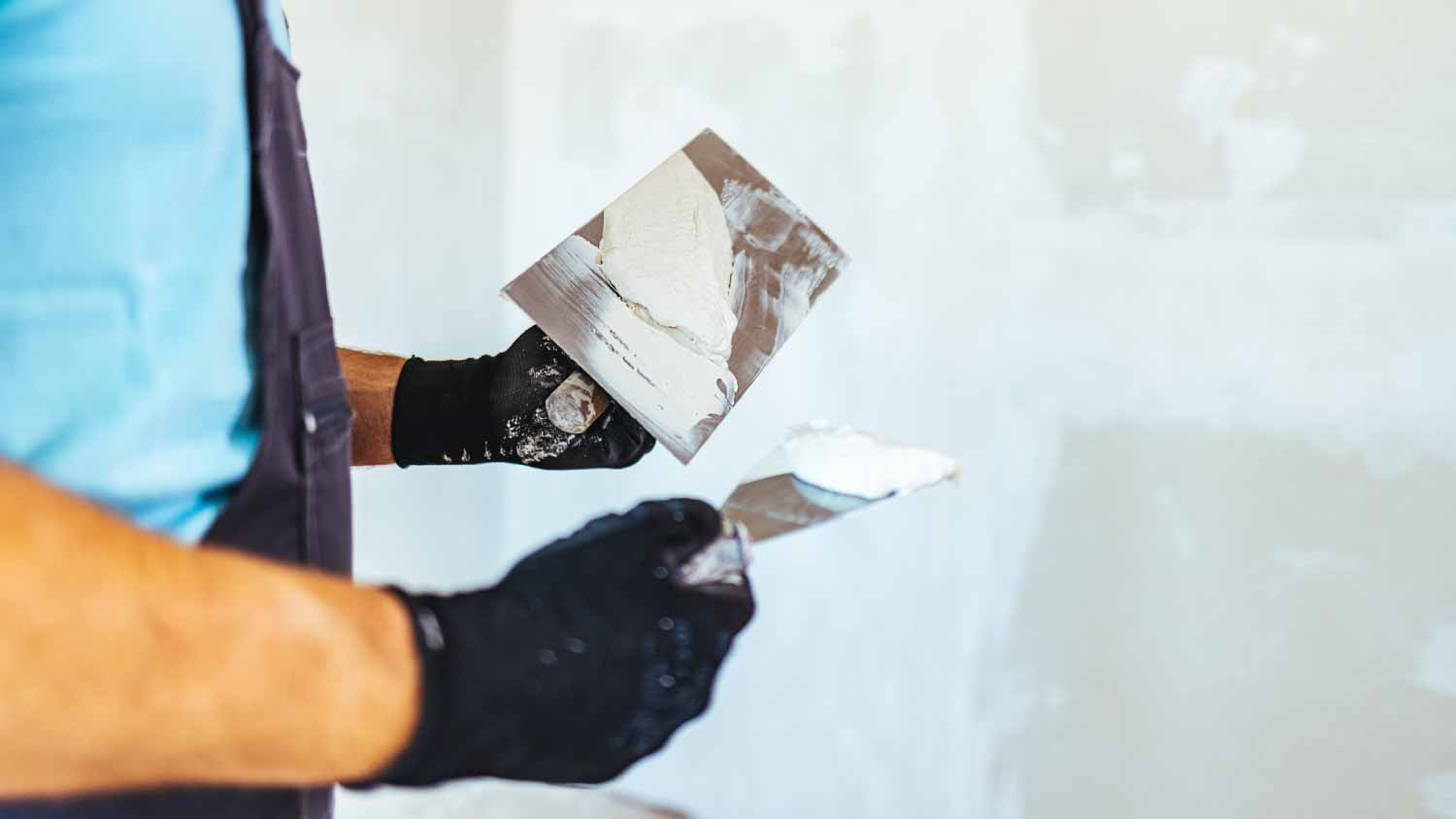
Plastering and skimming are two different techniques for finishing walls. Plastering involves applying a thick layer of a plaster mixture—typically containing gypsum, lime, cement, sand, and water—to create a new surface. This process often requires multiple coats and is used for repairing significant damage or creating decorative textures. Skimming, on the other hand, is a technique that involves applying a thin layer of drywall compound or joint compound over an existing surface to smooth it out, covering minor imperfections, small cracks, or uneven textures for a polished look. Plastering is generally more costly and labor-intensive than skimming. Although some people use the terms interchangeably, they refer to different processes and materials.

Yes, you can apply new plaster over an existing plaster surface, such as a wall or ceiling, provided the old plaster is in good condition. Before you begin, check the stability of the existing plaster. The surface must be clean, free of loose material, and have no peeling paint. It is also recommended to roughen the surface slightly to promote adhesion. For older plaster, applying a base coat like a PVA emulsion or a specific bonding agent or primer is crucial. This step makes the existing plaster less porous and ensures the new and old layers adhere properly for a smooth, long-lasting finish.

If your home was built before the 1940s and was not remodeled in the past 50 or so years, you probably have plaster walls. Aside from assuming, there are some practical ways to tell if you have plaster walls, including the following: If you knock on the wall and it feels solid, not hollow, if you can’t insert a thumbtack easily, if there are cracks that look like spiderwebs, or if your home has curved, arched, or swirled walls, doorways, or window openings.

If you have an unfinished basement or attic, you could examine the backs of any finished walls to check, too.

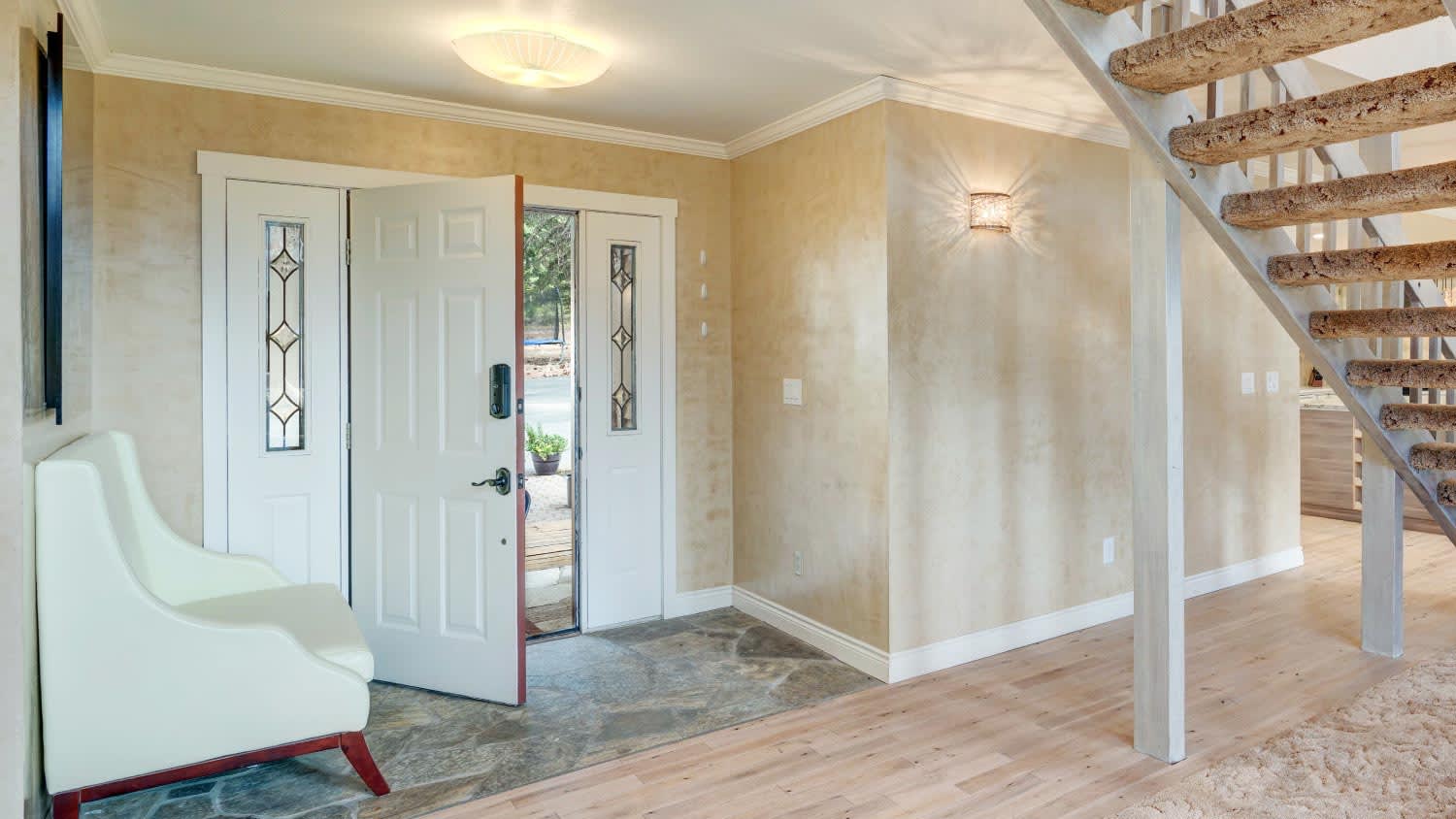
The Yoncalla, OR homeowners’ guide to plaster repairs

From average costs to expert advice, get all the answers you need to get your job done.