

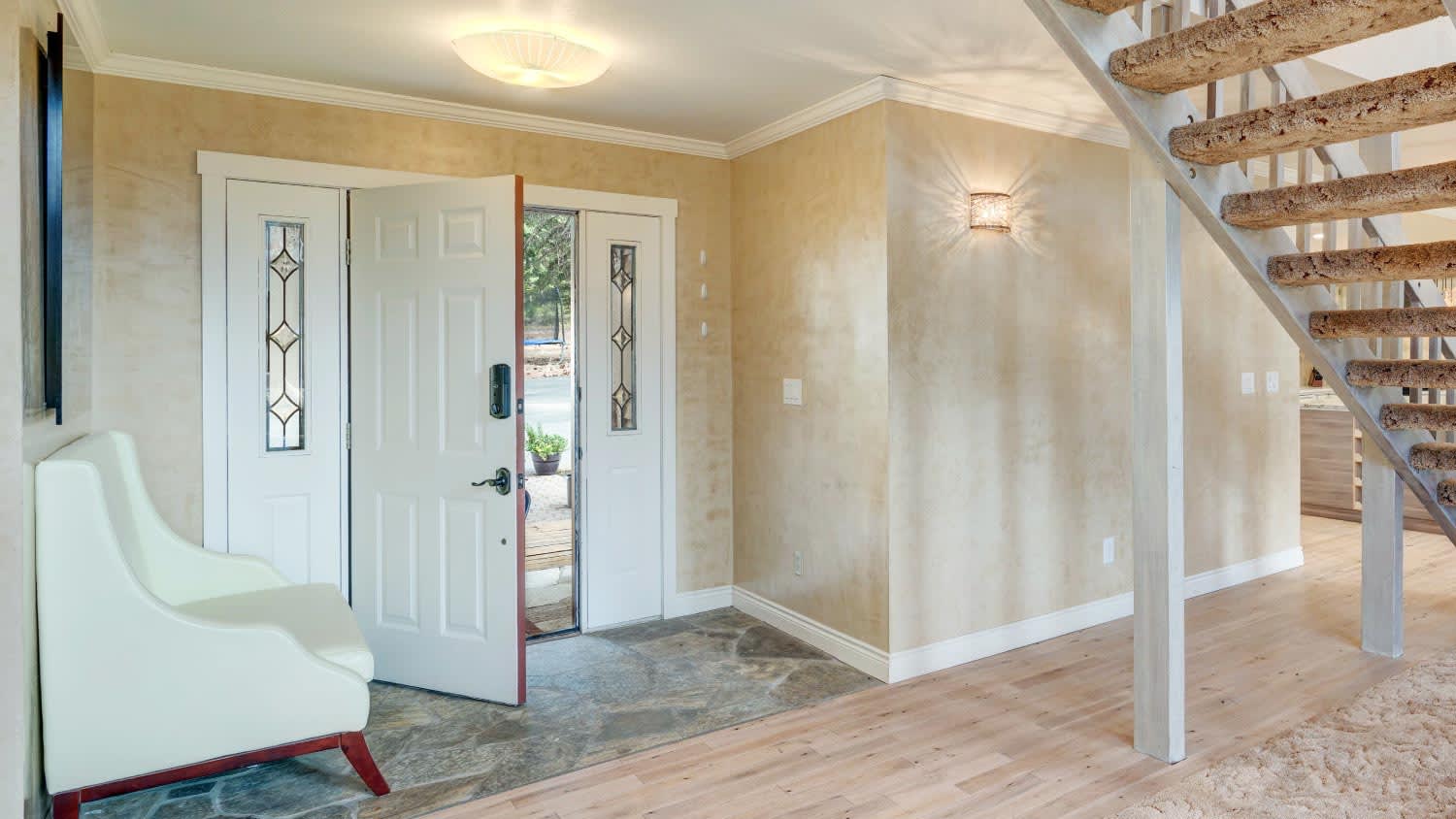
Venetian plaster can add depth and texture to your aesthetic. Learn how much Venetian plaster costs based on factors like square footage and whether you hire a pro to help.
Plaster repair costs depend on your project and location. Check with a local pro for your specific job.

Professional plastering costs between $2,000 and $8,000 for your average room, with most homeowners spending around $5,000 on the project.
The type of plaster you choose and your wall condition determine how much prep work your project needs before installation begins.
You should budget for sealing and painting after installation, which adds at least $150 to your total.
Hiring a local plaster repair professional keeps your walls smooth and helps you avoid buying specialized tools.
Plastering walls costs anywhere between $1,200 and $10,000 for an average-sized room, with most homeowners spending $5,000. The cost largely depends on the size of the space—around $2 to $10 per square foot—and whether you’re also plastering the ceiling.
Plaster is a common material used for interior finishing. Traditionally, plaster smoothes the surface—or creates a texture—to form an even look before painting. Some homeowners prefer the vintage look of textured plaster and like to leave it as a finish on its own.
The table below illustrates the plastering wall cost by the size of the area. You can estimate the cost of the project using the square footage.
| Coverage Size (Square Feet) | Minimum Cost | Maximum Cost |
|---|---|---|
| 200 | $400 | $2,000 |
| 500 | $1,000 | $5,000 |
| 1,000 | $2,000 | $10,000 |
| 2,000 | $4,000 | $20,000 |
Plasterwork usually costs between $2 and $10 per square foot.
The cost depends on whether you want resurfacing work or not. Expect to pay at least $10 per square foot with resurfacing; otherwise, plastering a wall usually costs between $2 and $5 per square foot.

Several variables affect the cost of plaster application, including application materials, plaster type, and labor.

The material to apply plaster costs between $2 to $10 per square foot.
Plaster materials are relatively inexpensive. A 5-gallon bucket of lime plaster costs around $60, while a 25-pound bag of plaster used for decorative plaster costs $10 to $30. However, some luxury types of plaster might cost up to $400 or more for a 5-gallon bucket.
Expect to pay labor costs between $2 and $5 per square foot to apply plaster or $4 to $10 per square foot for refinishing, which requires more work to prep and remove existing plaster. The average cost to plaster a room of four 10-by-10-foot walls can run from $800 to $4,000.
The average cost to plaster a ceiling is about $600, although you could pay as little as $400. If the ceiling is taller than average, you’ll pay $800 or more. If you want ornamental designs or the ceiling has a vaulted shape, you could pay up to $4,000 for the entire job.
Plaster repair contractors charge by the hour, so when hiring, expect to pay $60 to $80 per hour.
The cost to skim coat a wall is between $1.10 to $1.30 per square foot.
Skim coating is a type of plastering that involves applying a couple of thin layers of plaster to create a smoother finish or to repair a surface. Skim coating allows for a new look on your walls and can be less time-consuming and expensive than redoing drywall.
Adding any special texture may cost an extra $1 to $3 per square foot. One of the greatest things about choosing plaster is the ability to add designs and texture, creating unique and interesting walls. There are many different ways to make texture, such as the dash, lace, and stucco plasters, which vary in difficulty and require professional and artistic skills.
Finishes on a plaster wall can change the entire feel of a room. They often give a home a particular style—like pebble dash, which can be great for a beach house—or sand or cement finishes to provide a more rustic feel.
Plaster has a smooth and seamless look with fewer or no visible seams. The texture of plaster walls can be whatever you decide with the last coat of plaster applied. It can be smooth like glass or contoured with bumps and ridges, just like drywall mud.
Budget an extra 10% to 30% for prep work, which ranges from $1 to $3 per square foot. Prepping the wall is an essential part of plastering and costs extra, depending on the condition of the surface. During prep, a plaster contractor fills holes in the wall, applies a primer, and sands the surfaces.
“When we restore a historic home, we have a lot of plaster repair,” says Bob Tschudi, Expert Review Board Member and Raleigh, N.C.-based general contractor. “A lot of the work is repairing the wood lath strips behind the plaster. Without this prep work, the new plaster will probably crack in a short period of time.”
Plastering walls costs less than plastering ceilings because ceilings are less accessible. Expect to spend $0.50 to $2.00 more per square foot to plaster your ceiling. Most homeowners spend between $390 and $900, depending on the height of the ceiling. The price will significantly increase if you add ornamental designs or have an unusual ceiling shape.
You’ll commonly find plaster walls in older homes since most modern homes use plasterboard (or drywall) of varying sizes. Unfortunately, this increases the chance of asbestos contamination and lead paint. Plaster products made between 1920 and 1970 contain asbestos, and lead paint is common in homes built before 1978.
Here's how much you can expect to spend if you need to remove asbestos or lead paint before plastering your walls.
| Type of Removal | Average Cost (Per Square Foot) |
|---|---|
| Asbestos removal | $5–$20 |
| Asbestos encapsulation | $2–$6 |
| Lead paint removal | $8–$17 |
| Lead paint encapsulation | $4–$8 |
When you hire a pro, the cost of materials for nearly all types of plaster is between $10 and $15 per square foot. Each type delivers slightly different benefits and will work for a wall or ceiling.
Fortunately, because each type has similar costs, you can select a plaster type based on the project's needs rather than settling for an option that fits your budget.
| Plaster Type | Average Cost (Per Square Foot) |
|---|---|
| Gypsum | $10–$11 |
| Venetian | $10–$25 |
| Cement | $11–$12 |
| Acoustic | $13–$14 |
| Takelakt | $15–$16 |
Gypsum plaster consists of soft sulfate materials. It’s a good material to use over rough materials like brick and plasterboard. When you want to create a smooth finish for painting, gypsum plaster is an ideal choice.
It is less likely to shrink and crack than some of the other types of plaster. It’s the most common type of plaster in use and has one of the lowest prices.
You might know Venetian plaster as lime plaster. It consists of limestone, sand, and water, but some manufacturers add fibers to it to make it bind tightly. Depending on the formula in use, the cost of Venetian plaster can range from a wallet-friendly option to one of the most expensive options.
It’s one of the oldest types of plaster formulas, providing a soft appearance when it dries, which results in a pleasing appearance.
Cement plaster works as an outdoor type of plaster consisting of cement, sand, and water. It often goes directly over masonry, concrete, or metal lath. It has a low initial cost. However, it can require multiple coats, which can increase the price of outdoor plastering.
It isn’t suitable for painting because it doesn’t create a perfectly smooth surface. If you want to paint it, you might place a layer of gypsum plaster over cement plaster.
Acoustic plaster is one of the more expensive types of plaster and uses a special formula to provide sound absorption. It consists of gypsum plaster mixed with fibers designed to absorb sound. An installer often will apply it in layers to improve performance.
In addition to sound dampening, newer formulas deliver impressive aesthetic designs resembling marble or stone. This makes it ideal for a home recording studio, but it also often appears in museums or commercial buildings that need perfect acoustics and a high-end look.
You might know Tadelakt plaster as Moroccan plaster. It uses lime as the base, but its formula provides waterproof capabilities, allowing for its use in bathrooms and kitchens.
It is an expensive plaster, but it has an impressive look when it dries. Its rustic finish is hard to duplicate with other plaster types. You can often select from multiple colors with Tadelakt plaster.
Hiring a local plaster repair pro costs $4 to $10 per square foot for labor. Although the job may seem doable for a homeowner, it’s more challenging than it might seem and requires specialized tools. For these reasons, it’s best to hand this project off to the pros.
Here are the benefits of hiring a plaster installer:
Plaster repair pros have specialized tools to install plaster walls, which are costly to purchase for a one-time DIY job.
Plastering requires skill, and hiring a pro ensures that your walls are free of common DIY issues, such as cracks and bumps.
A plaster repair contractor will get the job done right the first time, whereas a DIYer may struggle to learn the technique.
You’ll have the option of adding custom accents, such as crown molding and trim, to elevate the ambiance of your home.
Plaster installers follow safety protocols during prep and installation and can accurately identify asbestos and lead paint.
You’ll have the option to choose every type of plaster when hiring a professional.
Your plastering pro will be able to repair different types of lath before the installation.
If you want to tackle some of your plaster projects on your own, consider some of these smaller tasks:
Sealing the plaster
Painting the walls after installation
Small plaster repairs
In addition to finishing touches like texturing the plaster, there are some common add-ons to consider:
Sealing plaster: The job isn’t completely finished after applying the plaster. You can seal the plaster to ensure better paint application and prevent inconsistencies in the final appearance for about $1 per square foot.
Painting walls: Once the plaster is installed, sealed, and fully dry, you’ll need to paint the wall to finish the job. Painting walls costs between $1 and $3 per square foot, depending on whether you do it yourself or have a painter do it for you. While doing the painting yourself will cost less, it will also take longer than if a professional does it.
Decorative plastering: To achieve a more elevated look, you can add decorative plastering to act as crown or cornice molding. This adds around $1.50 per square foot to the project, but it can cost more, depending on the level of detail.
Let your plaster repair pro know how many walls and ceilings you need plastered.
Be prepared to discuss which type of plaster you’re looking for, based on your budget and needs.
If you’re planning on add-ons like texturing and decorative plaster accents, tell your pro so they can work them into your quote.
Tell your plaster repair contractor if asbestos or lead paint is present in your home.
Home is the most important place on earth, which is why Angi has helped more than 150 million homeowners transform their houses into homes they adore. To help homeowners with their next project, Angi provides readers with the most accurate cost data and upholds strict editorial standards. We extensively research project costs to develop the pricing data you see, so you can make the best decisions for you and your home. We rely on reputable sources, including the U.S. Bureau of Labor Statistics, academic journals, market studies, and interviews with industry experts—all to ensure our prices reflect real-world projects.
Want to help us improve our cost data? Send us a recent project quote to [email protected]. Quotes and personal information will not be shared publicly.
Positive experience. As previously stated, the replacement/repair could not be completed (no fault of the plumbing tech) b/c misinformation was rec?d by property management maintenance. Thanks to the plumbing tech for your efforts. Appreciate you!
 The Waterworks
Carpet repair done well. Scheduling was easy. Showed up on time.
 BR Flooring Installation
I would recommend this company to anyone! He showed up on time, was friendly, completed a very difficult repair on our dryer vent cover, was responsive, and pricing was extremely fair and competitive. I would have him back to do any of our repairs or cleanings without hesitation!
 U.S.A. Dryer Vent, LLC
Everything from initial contact to completion was absolutely top notch. We contacted the business during off hours to leave a message, and the owner still reached out to feel out the issue within minutes. We were scheduled and repaired within 48 hours. I cannot say enough about the...
 Supreme brick & chimney
Ace Fireplace Services came to the rescue for my chimney repair. They were quick to pinpoint the issue and worked their magic to fix it. My chimney is now in excellent shape, and I'm a satisfied customer.
 Ace Fireplace Services
Great experience all together. Dog friendly, courteous, great results and honest with recommendations. Will certainly be using Cardinal in the future for any carpet repairs
 Cardinal Carpet Care & Repair
Description says they handle window repair including rotten hardwood - they called me back right away but didnâ t leave a voicemail. I followed up 3 days later and they said they donâ t do that kind of work.
 Window-Gurus
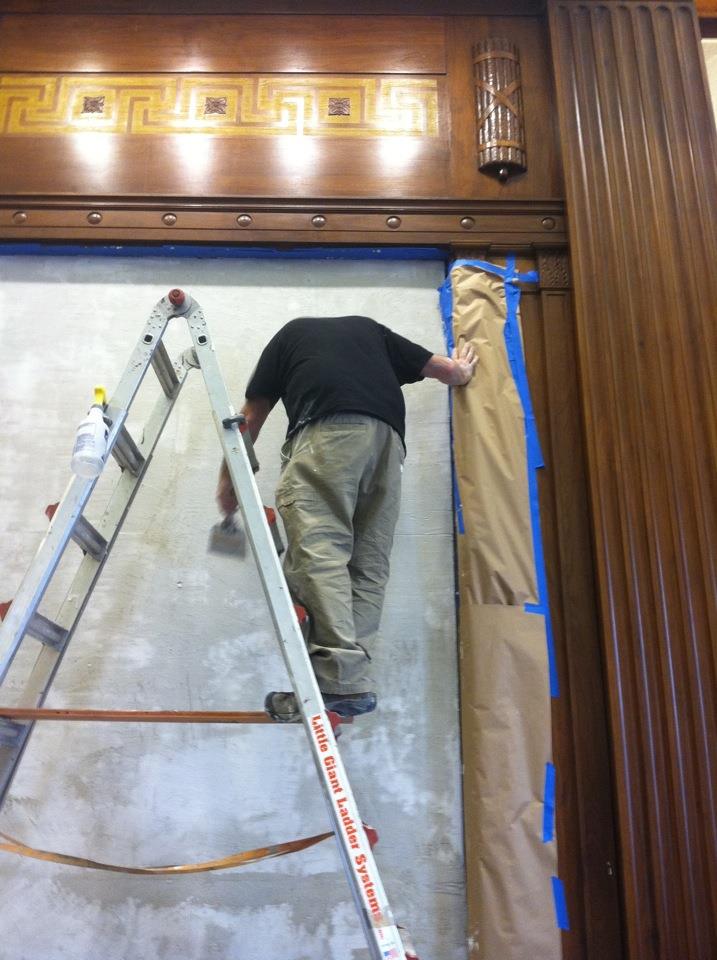
Very good experience. He even moved things around in my bedroom to get to the wall. I would highly recommend him for plaster. I plan to have him come back.
 Peter J Grady
Great guys. Spend a lot of time repairing and prepping our walls before doing the new paint. Home looks great now.
They did an excellent job with the repair, took care of all communication with the insurance company and had car rental service also with a very reliable, quality care
 Three C Body Shop
From average costs to expert advice, get all the answers you need to get your job done.
Venetian plaster can add depth and texture to your aesthetic. Learn how much Venetian plaster costs based on factors like square footage and whether you hire a pro to help.
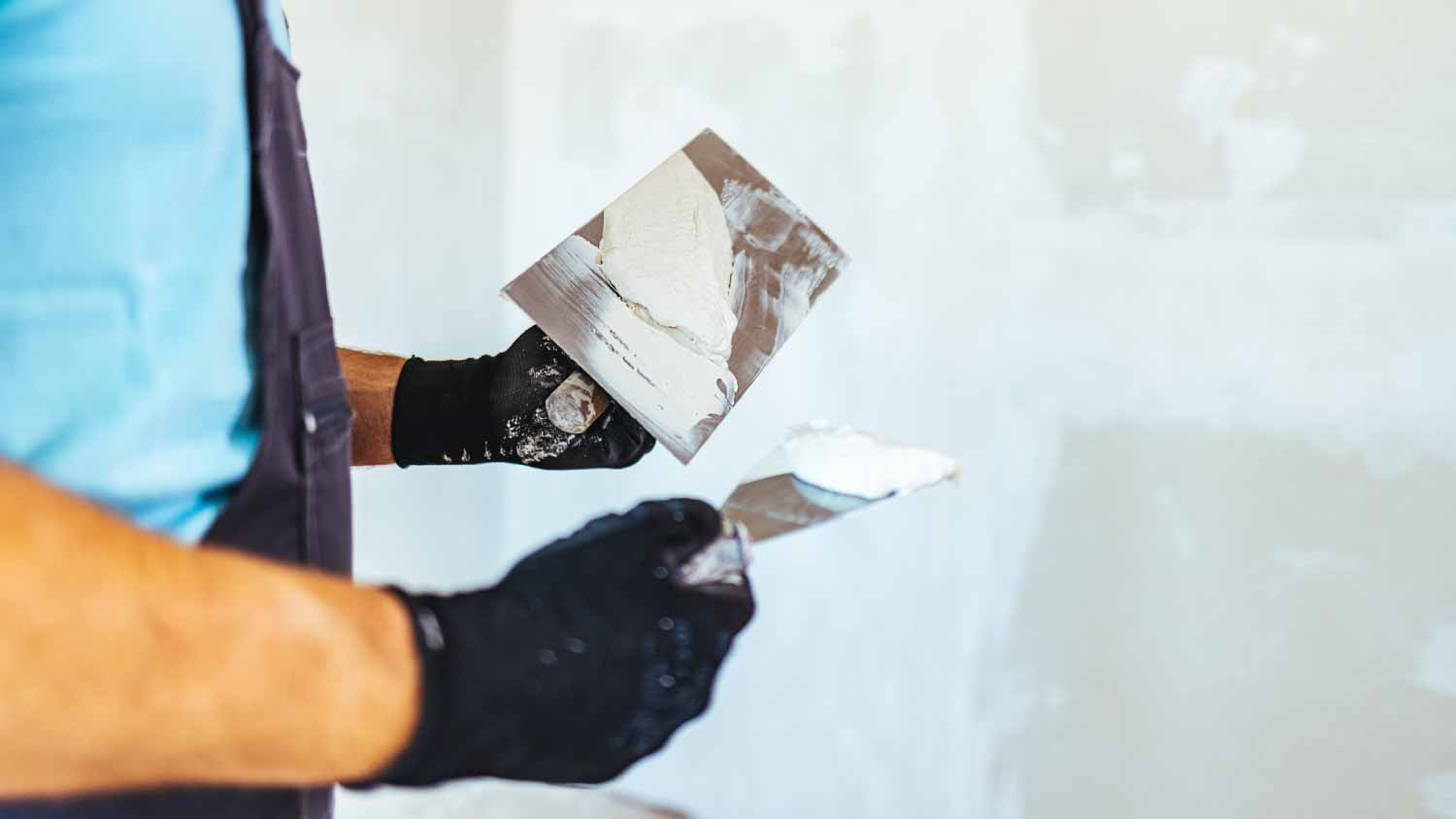
Plaster repair costs are determined by the size and type of damage. Discover why some fixes you can DIY and why some require a pro’s help.
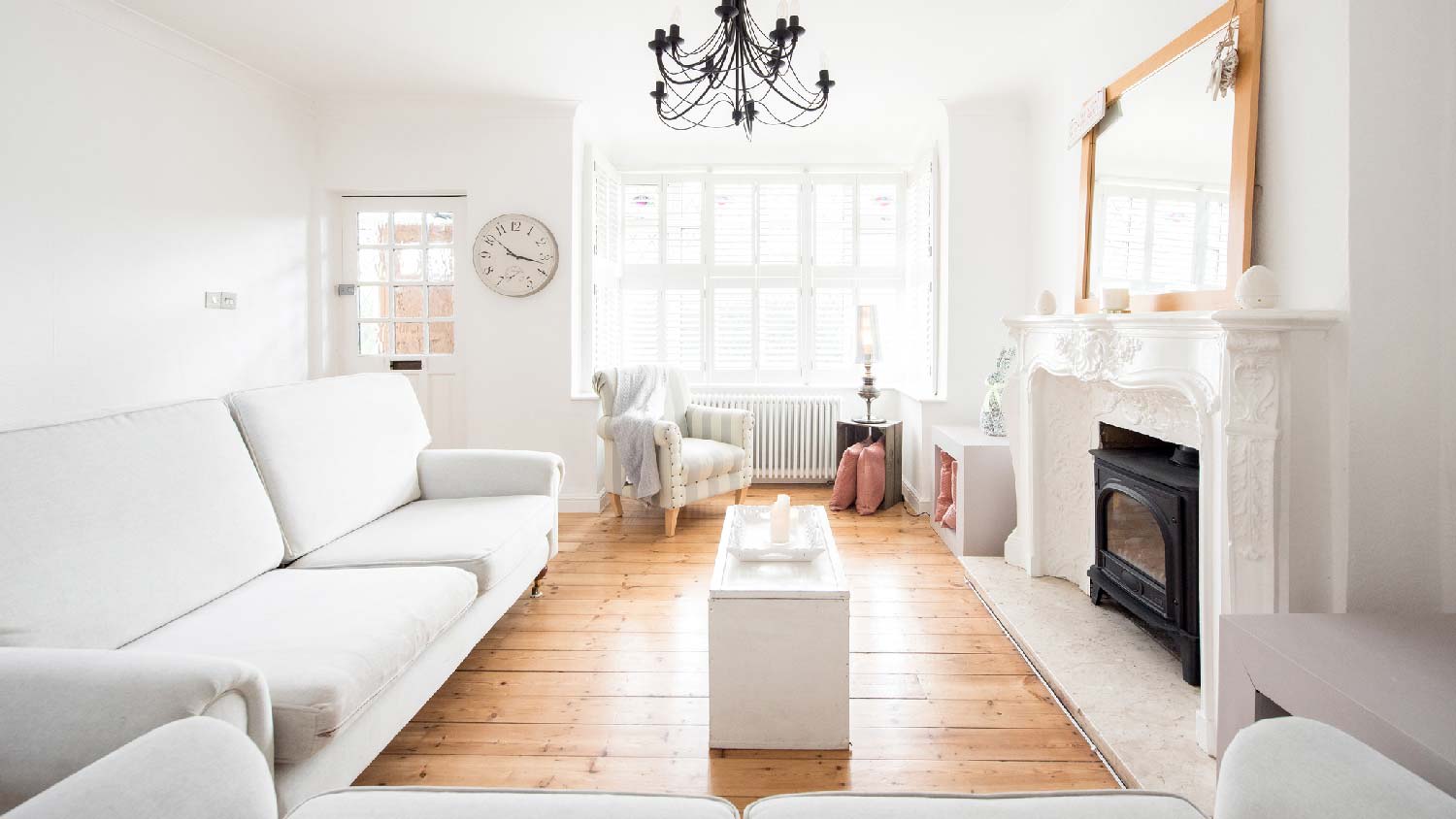
The cost to replace plaster with drywall can quickly add up. This guide will help you budget for this project and decide if it's worth the effort and cost.

You can find plaster walls in a lot of older homes. What’s behind these walls—whether that’s lath or calcimine—can have an impact on how long they last. Finding out the age of your house can help you determine what you’re dealing with.
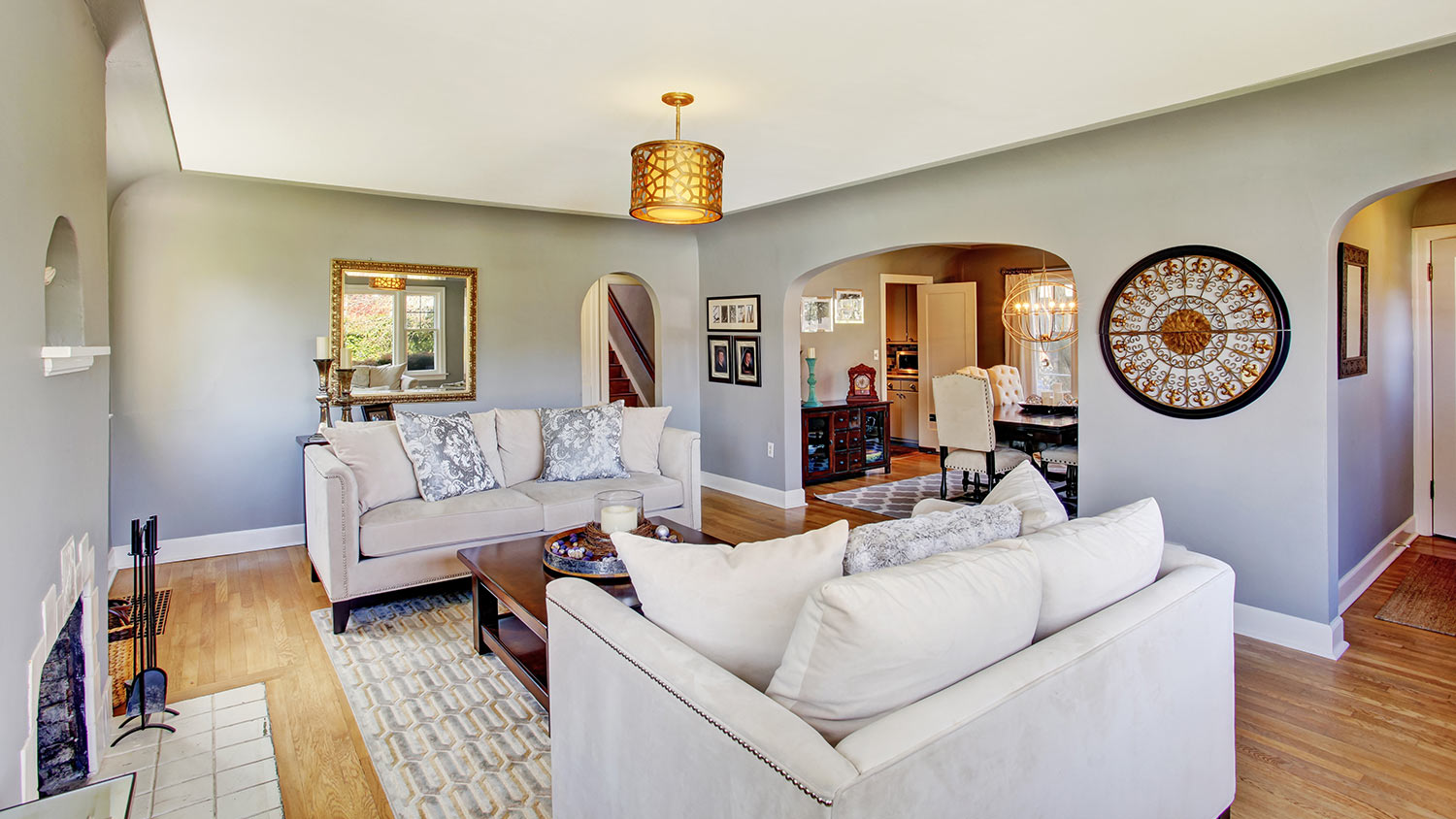
Plaster is a sturdy wall material that has a tendency to crack. Most plaster cracks are cosmetic and don’t pose any harm, but it’s important to find out what is causing the cracks anyway. Learn why plaster cracks and how you can avoid damage.
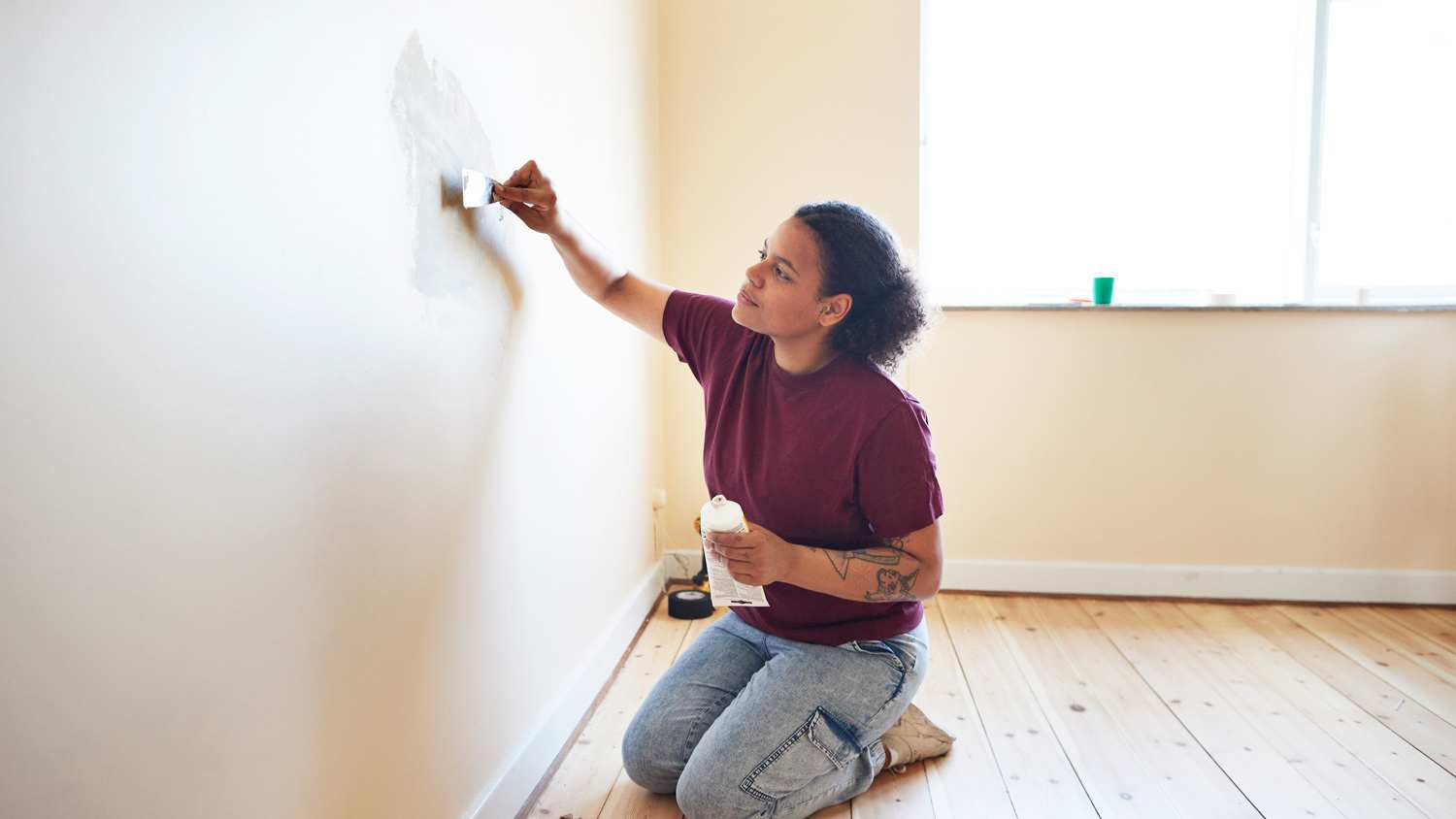
Tired of looking at the crack down the wall? Plaster can be tricky to work with, but you can learn how to fix cracks in plaster walls with this guide.