

Top-rated plaster repair specialists.

Best plaster repair specialists near Dorena, OR

Enter your zip and get matched with up to 5 pros

Need a pro for your plaster repair project in Dorena, OR?

Select your specific project to find the pro for you.

Top-Rated Plaster repair specialists in Dorena - Updated Nov 2026

Avatar for JBC Group Solutions Inc
JBC Group Solutions Inc
4.0(
4
)
Plaster - InstallPlaster - Install - For BusinessPlaster - Repair+1 more

Serving Dorena, OR and surrounding areas

In business since 2007

Emergency services offered

"They did a real good job. They were real professional. We can now open the garage door from the inside of the house and now it is so smooth that we have to check to see if we hit the button to open it or close it.  Before we used to know when it was opening or closing because it used to make a noise. It helps when you move to a city where you are new. "
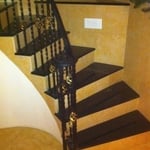
Custom Staircases
Custom Exterior Restoration
Custom Bathrooms
Recommended by75%of homeowners
CMW Maintenance Corp.
New to Angi
Plaster - InstallPlaster - Repair

Serving Dorena, OR and surrounding areas

In business since 2003

Free estimates

Family owned and operated general construction company serving Eugene and the surrounding areas since 2003. We specialize in major remodeling projects as well as construction of additions to existing structures and construction of new outbuildings. We pride ourselves in getting the job done right the first time and making sure the customer is always happy. Call CMW Maintenance Corp. today!

Plaster Repair FAQs, answered by experts

While it is possible to repair minor plaster cracks or holes yourself, it is generally not recommended for larger jobs or if you want a professional result. Plaster repair can be difficult in practice; proper wall preparation and achieving a smooth, seamless finish that blends with the existing wall requires experience, especially on textured surfaces. Hiring a professional ensures the repair will be durable and last longer, potentially saving you money over time. A pro can also determine if the cracks are from normal expansion or a more serious underlying issue.

Plastering and skimming are two different techniques for finishing walls. Plastering involves applying a thick layer of a plaster mixture—typically containing gypsum, lime, cement, sand, and water—to create a new surface. This process often requires multiple coats and is used for repairing significant damage or creating decorative textures. Skimming, on the other hand, is a technique that involves applying a thin layer of drywall compound or joint compound over an existing surface to smooth it out, covering minor imperfections, small cracks, or uneven textures for a polished look. Plastering is generally more costly and labor-intensive than skimming. Although some people use the terms interchangeably, they refer to different processes and materials.

Common causes include water leaks, settling, and impact. Address underlying issues to prevent recurring damage.

The cost to repair a ceiling after a water leak can vary, with averages ranging from $419 to $1,359, or $45 to $55 per square foot. Smaller patches may cost around $150. The final price depends on the size of the affected area and the extent of the damage. Remember that you will also need to repair the source of the leak, such as roof damage or a plumbing issue, which can cost an additional $200 to $1,550. Depending on the situation, you might also face costs for repainting or repairing floors. For an accurate estimate, it is best to get a quote from a professional.

Although they have similar applications, spackle and joint compound are not the same. Their primary differences lie in their composition, consistency, and ideal use cases.

Spackle is composed of gypsum and binding agents, making it thicker than joint compound. It dries quickly and is easy to sand, which makes it ideal for small wall repair projects like filling nail holes or patching minor damage.

Joint compound, also known as drywall mud, consists of limestone and gypsum. It is primarily used for large-scale projects, such as taping and finishing the seams on newly installed drywall. It tends to shrink more than spackle and can be more difficult to spread.

While both products can be used to fill small depressions and cracks, spackle cannot replace joint compound for taping and mudding new drywall. Conversely, you can often use joint compound for small patching jobs typically done with spackle.

The Dorena, OR homeowners’ guide to plaster repairs

From average costs to expert advice, get all the answers you need to get your job done.