


The cost of plastering walls and ceilings depends on the room size and ceiling height. Our tips can help you estimate an accurate cost.
Plaster repair costs depend on your project and location. Check with a local pro for your specific job.

Professional plaster repair ranges from $2,000 to $7,200 depending on your specific damage type and repair method.
Your damage type and repair size drive cost most, from hairline cracks to water damage or sagging.
Budget for plaster, joint compound, trowels, protective gear, and scaffolding rentals for ceiling or tall wall repairs.
Hiring a local plaster repair professional delivers smooth, lasting results and helps you avoid extra damage during repairs.
In 2026, the national average cost for plaster repair is $3,840. Most homeowners pay between $2,000 and $7,200, with the spread driven primarily by the extent of damage, the repair method used, and the size of the affected area. For larger or more complex jobs, total project costs can climb significantly, so getting a local estimate is always a smart first step.

Every plaster repair is unique, so the final price depends on the specific type of damage, its size, and the method required to fix it.
The type of damage is the single most important cost driver for plaster repair, since simpler issues like cracks and holes ($22 to $30) can often be replastered with minimal effort, while water damage, sagging, or crumbling ($70) may require removing sections of the wall down to the lath before any repair can begin.
Plaster walls house pipes, electrical wiring, and HVAC ducts, making them a central and vulnerable part of your home's structure. Pay particular attention to cracks in plaster that are long or wrap around corners, as these can signal a more serious underlying problem. Costs vary significantly by damage type, as the breakdown below shows.
| Type of Plaster Damage | Average Repair Cost in 2026 |
|---|---|
| Holes | $22 |
| Cracks | $30 |
| Water Damage | $100 |
| Crumbling | $70 |
| Sagging | $80 |
| Mold | $120 |
Size is the second biggest cost factor in plaster repair, with small surface repairs costing far less than large-scale damage that requires full removal and rebuilding. Surface repairs, such as a 5-inch crack at around $90 or a 1-foot-wide dent at around $130, only require adding plaster and occasionally fixing a seam, keeping labor costs low since no removal is needed. Costs vary by the size and scope of the repair, as the tables below show.
| Size of Plaster Surface Repair | Average Repair Cost in 2026 |
|---|---|
| 3-inch hole | $50 |
| 1-foot wide dent | $130 |
| 5-inch crack | $90 |
| 48-inch crack | $180 |
| 6-foot foundation crack | $680 (excluding foundation work) |
| 4-foot wide water damage | $1,200 |
| 5-foot by 3-foot section | $1,350 |
It's important to remember that some contractors charge a minimum rate. So, while a hole may seem inexpensive to repair per square foot, the total price may increase to meet that minimum rate, between $50 and $100.
The wide range of tools and materials required for plaster repair is one of the main reasons homeowners hire professionals rather than tackling the job themselves. Basic supplies like sandpaper ($15 per pack) and joint compound ($12 per tub) are affordable, but larger repairs may call for equipment like a jackhammer ($290), and material costs such as plaster at $60 per bucket can add up quickly depending on the size of the damage.
| Plaster Repair Materials | Average Cost in 2026 |
|---|---|
| Plaster | $60 per bucket |
| Plastic sheet | $15 each |
| Joint compound | $12 per tub |
| Trowels and putty knives | $30 for all required items |
| Personal protection gear | $55 for all required items |
| Sandpaper | $15 per pack |
| Paint and primer | $30-$80 per gallon |
| Crowbar | $40 each |
| Jackhammer | $290 each |
| Lath | $35 per package (25 square feet) |
Replastering a bare, prepared wall costs about $5 per square foot, similar to plastering during a new build, but removing old plaster first adds another $1 per square foot to your total. If you prefer to leave the existing material in place and plaster over it, expect to pay up to $10 per square foot because the added complexity and time required drive the price higher.
If you're purchasing an older home, think twice about replacing—or covering—plaster with drywall. While plaster may seem outdated or high maintenance, it's a longer-lasting material overall.

Beyond full replastering, contractors can repair plaster using several targeted methods, with costs that depend on the extent of the damage and a potential minimum visit charge for minor work. Spackling and adhesive application each run $20 to $100 per area and suit small holes, hairline cracks, or chips, while patching with joint compound costs $70 to $100 per area for larger holes and significant cracks.
Skim coating covers an entire wall with imperfections at $1 to $3 per square foot, though it may not adhere permanently if the underlying cause of cracking is not addressed first. Costs vary by repair method, as the breakdown below shows.
| Repair Method | Average Cost |
|---|---|
| Spackling | $20–$100 per area |
| Applying adhesive | $20–$100 per area |
| Skim coating | $1–$3 per square foot |
| Patching with joint compound | $70–$100 per area |
Hiring a professional for plaster repair costs $55 to $120 per hour, though small plaster patch jobs may only require paying the minimum visit rate of around $75. For larger repairs like extensive water damage that demand several hours of work, asking your contractor whether you can assist with prep or cleanup alongside them is a practical way to reduce the overall labor bill, though not all contractors permit this arrangement.
Wall location has little effect on plaster repair costs, but plaster ceiling repair work can reach $100 to $120 per square foot because overhead work is significantly more labor intensive. Large ceiling repairs or tall wall sections may also require scaffolding rather than a simple ladder, adding to the overall project cost.
Prep work for plaster repair scales with the size and type of damage, ranging from a quick cleanup of loose debris and dust for minor issues to more involved room preparation for larger repairs. Regardless of scope, always lay down a plastic sheet and secure it with painter's tape before any work begins.
Water damage: Turn off all water sources in the room in case of a leak.
Sagging or crumbling walls: Remove crumbling plaster from the wall.
Mold: Open all windows to ventilate the room, and call a mold professional.
"If a small area of plaster needs replacing, it's most effective to patch it back up with more plaster. But if an entire home is filled with moldy plaster, then the most cost-effective and efficient way to solve the problem is to replace all of the plaster with drywall."
— Brandon Walker, Superintendent at ASAP Restoration LLC, Phoenix, AZ
Plaster is an extremely long-lasting material that adds value to a home, so it's almost always worth a repair unless you're making significant renovations and will have to tear down walls. In that case, consider the total cost. Replastering costs $5 to $10 per square foot, while drywall installation costs $1.50 to $3 per square foot.
That said, plaster and drywall are different materials with their own characteristics. Even if drywall is more affordable, it's not always the best option. Homeowners with historic houses may choose plaster to stay true to the time period in which their home was built or to enjoy its other benefits, like mold resistance, durability, and ease of installation along curved surfaces. The key differences between plaster and drywall are compared below:
| Plaster | Drywall |
|---|---|
| High cost | Budget-friendly |
| Mold-resistant | Easier to hang shelving, TVs, and artwork |
| Prone to cracks | Prone to mold and water damage |
| Easier to apply to curved walls | Modern look |
| Long lifespan | Shorter lifespan |
Many homeowners believe that fixing their walls is a quick DIY win. But the reality is, it takes a lot of hard work between scraping, mixing, taping, and smoothing until your arms and back start questioning every decision that brought you there. DIY might cost less at first, but a couple of missteps can turn a minor patch job into a three-day saga you didn't sign up for. Remember, professionals have the experience and tools to make drama-free repairs. Hire a trusted plaster pro near you.
Even minor plaster issues benefit from experienced hands using specialized equipment that most homeowners don't keep in their garages. Pros can:
Spot differences between harmless cracks and serious issues like water damage, sagging, or mold
Use specialized tools such as trowels, floats, and jackhammers for tougher repairs
Rebuild damaged sections from the lath up without causing extra harm
Manage messy cleanup, including stubborn sanding dust that drifts into every corner
Create a smooth finish that blends seamlessly with the existing wall
Homeowners can successfully handle a few steps. Here's what's realistic to take on:
Cleaning the area, removing loose plaster, and installing protective floor covering.
Filling small nail holes, tiny chips, or hairline cracks with spackle or joint compound
Sanding and priming very minor repairs before painting
Assisting pros with prep or cleanup to reduce labor costs
The materials used to repair plaster walls and ceilings aren't too expensive—it's the labor that adds up. Plaster is an old technique and takes a long time, sometimes requiring five coats or more. Working on a ceiling also adds quite a bit of time, not to mention cleaning, buying materials, and painting.
You can save money when you involve yourself in the repairs. Ways you can do this include:
DIY Small Repairs: Perform small repairs on your own.
Work Alongside the Contractor: Work alongside the contractor (if allowed).
Handle Prep and Cleanup: Perform prep and clean up yourself.
Source Your Own Materials: Source materials so your contractor won't have to.
Match Existing Plaster: Make sure the plaster you use for repair matches the existing plaster.
DIY Finishing Touches: Do the finishing touches yourself such as painting the wall.
Discuss what materials would best work for this repair.
Inquire how long the project will take from start to finish.
Schedule a consultation.
Provide measurements or photos to help the pro provide an accurate estimate.
Discuss any safety concerns you should be aware of before work begins.
Home is the most important place on earth, which is why Angi has helped more than 150 million homeowners transform their houses into homes they adore. To help homeowners with their next project, Angi provides readers with the most accurate cost data and upholds strict editorial standards. We extensively research project costs to develop the pricing data you see, so you can make the best decisions for you and your home. We rely on reputable sources, including the U.S. Bureau of Labor Statistics, academic journals, market studies, and interviews with industry experts—all to ensure our prices reflect real-world projects.
Want to help us improve our cost data? Send us a recent project quote to [email protected]. Quotes and personal information will not be shared publicly.
Positive experience. As previously stated, the replacement/repair could not be completed (no fault of the plumbing tech) b/c misinformation was rec?d by property management maintenance. Thanks to the plumbing tech for your efforts. Appreciate you!
 The Waterworks
Carpet repair done well. Scheduling was easy. Showed up on time.
 BR Flooring Installation
I would recommend this company to anyone! He showed up on time, was friendly, completed a very difficult repair on our dryer vent cover, was responsive, and pricing was extremely fair and competitive. I would have him back to do any of our repairs or cleanings without hesitation!
 U.S.A. Dryer Vent, LLC
Everything from initial contact to completion was absolutely top notch. We contacted the business during off hours to leave a message, and the owner still reached out to feel out the issue within minutes. We were scheduled and repaired within 48 hours. I cannot say enough about the...
 Supreme brick & chimney
Ace Fireplace Services came to the rescue for my chimney repair. They were quick to pinpoint the issue and worked their magic to fix it. My chimney is now in excellent shape, and I'm a satisfied customer.
 Ace Fireplace Services
Great experience all together. Dog friendly, courteous, great results and honest with recommendations. Will certainly be using Cardinal in the future for any carpet repairs
 Cardinal Carpet Care & Repair
Description says they handle window repair including rotten hardwood - they called me back right away but didnâ t leave a voicemail. I followed up 3 days later and they said they donâ t do that kind of work.
 Window-Gurus
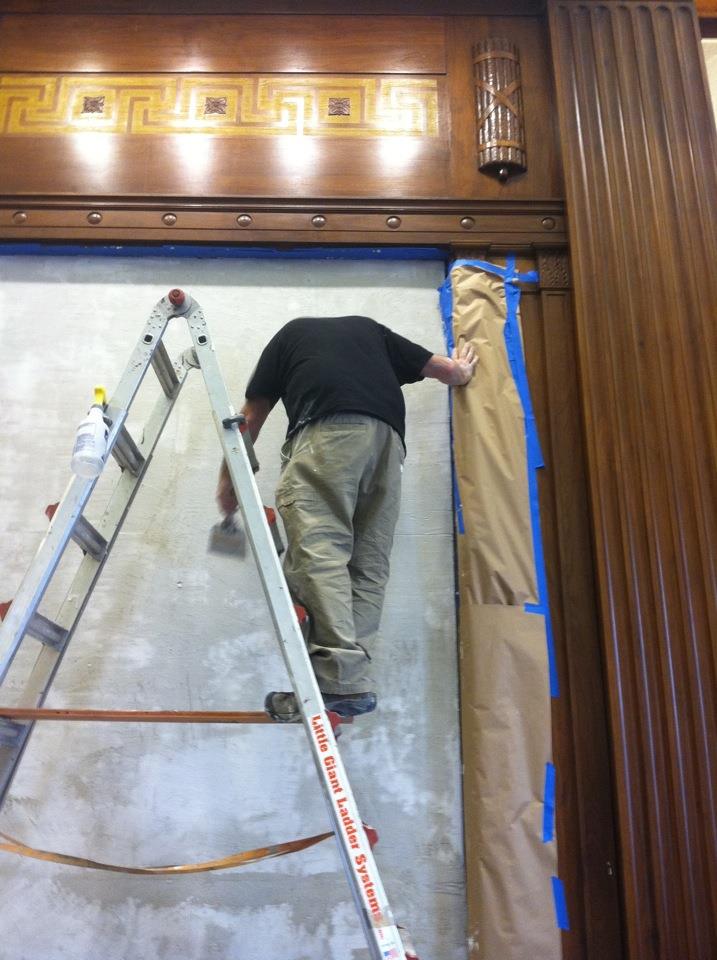
Very good experience. He even moved things around in my bedroom to get to the wall. I would highly recommend him for plaster. I plan to have him come back.
 Peter J Grady
Great guys. Spend a lot of time repairing and prepping our walls before doing the new paint. Home looks great now.
They did an excellent job with the repair, took care of all communication with the insurance company and had car rental service also with a very reliable, quality care
 Three C Body Shop
From average costs to expert advice, get all the answers you need to get your job done.
The cost of plastering walls and ceilings depends on the room size and ceiling height. Our tips can help you estimate an accurate cost.

Venetian plaster can add depth and texture to your aesthetic. Learn how much Venetian plaster costs based on factors like square footage and whether you hire a pro to help.
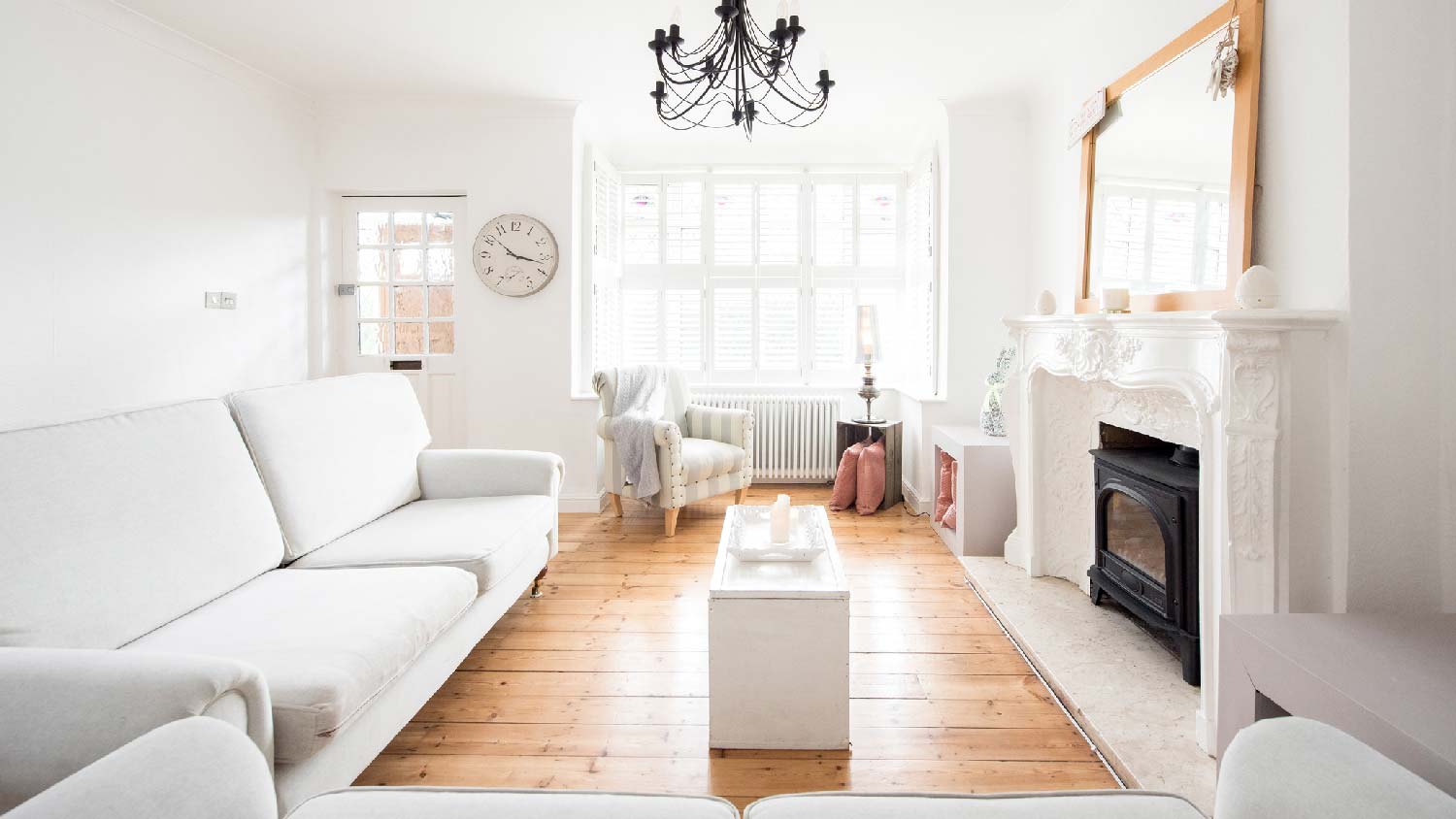
The cost to replace plaster with drywall can quickly add up. This guide will help you budget for this project and decide if it's worth the effort and cost.
Planning a plaster repair project? Learn about the process, average costs to expect, and how to hire the right local pro to restore your walls.

Finding a qualified plaster repair pro? Learn how to hire the right specialist, what questions to ask, and what to expect for your project.

Want to hang up a new piece of art or mount a TV on your plaster walls? First, you’ll need to learn how to find a stud in a plaster wall. Here are four methods.