






Top-rated energy efficiency auditors.

Get matched with top energy efficiency auditors in Fargo, ND

Enter your zip and get matched with up to 5 pros

Need a pro for your energy efficiency auditing project in Fargo, ND?

Select your specific project to find the pro for you.

Find Energy efficiency auditors in Fargo

Energy Efficiency Auditing questions, answered by experts

The three levels of home energy audits include:

  • Level 1: Review of your energy bills and home for signs of energy inefficiency and areas for improvement. The average cost range is $0.08 to $0.12 per square foot.

  • Level 2: A level 2 ASHRAE energy audit costs $0.12 and $0.35 per square foot. In-depth analysis of your energy usage and provides a report of cost-saving changes.

  • Level 3: Comprehensive analysis and detailed recommendations for ways to improve your home’s energy efficiency. A level 3 audit costs about $0.36 to $0.50 per square foot.

A home energy audit costs about $420 on average, with prices ranging from $100 to $2,250 or more. The final cost depends on factors like your home's size, location, the thoroughness of the audit, and the specific tests performed. A basic Level 1 walk-through inspection typically costs between $150 and $200, while a comprehensive Level 3 audit with detailed testing and a report costs around $900. Homeowners may be able to use the 2022 Inflation Reduction Act’s Energy Efficient Home Improvement credit to cover up to $150 of the audit cost.

Costs for common individual tests include:

  • Blower door test: $350

  • Duct testing: $100

  • HERS test: $375

  • HERS certification: $200

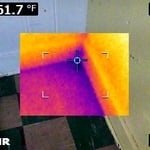
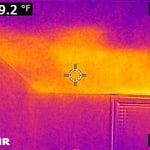
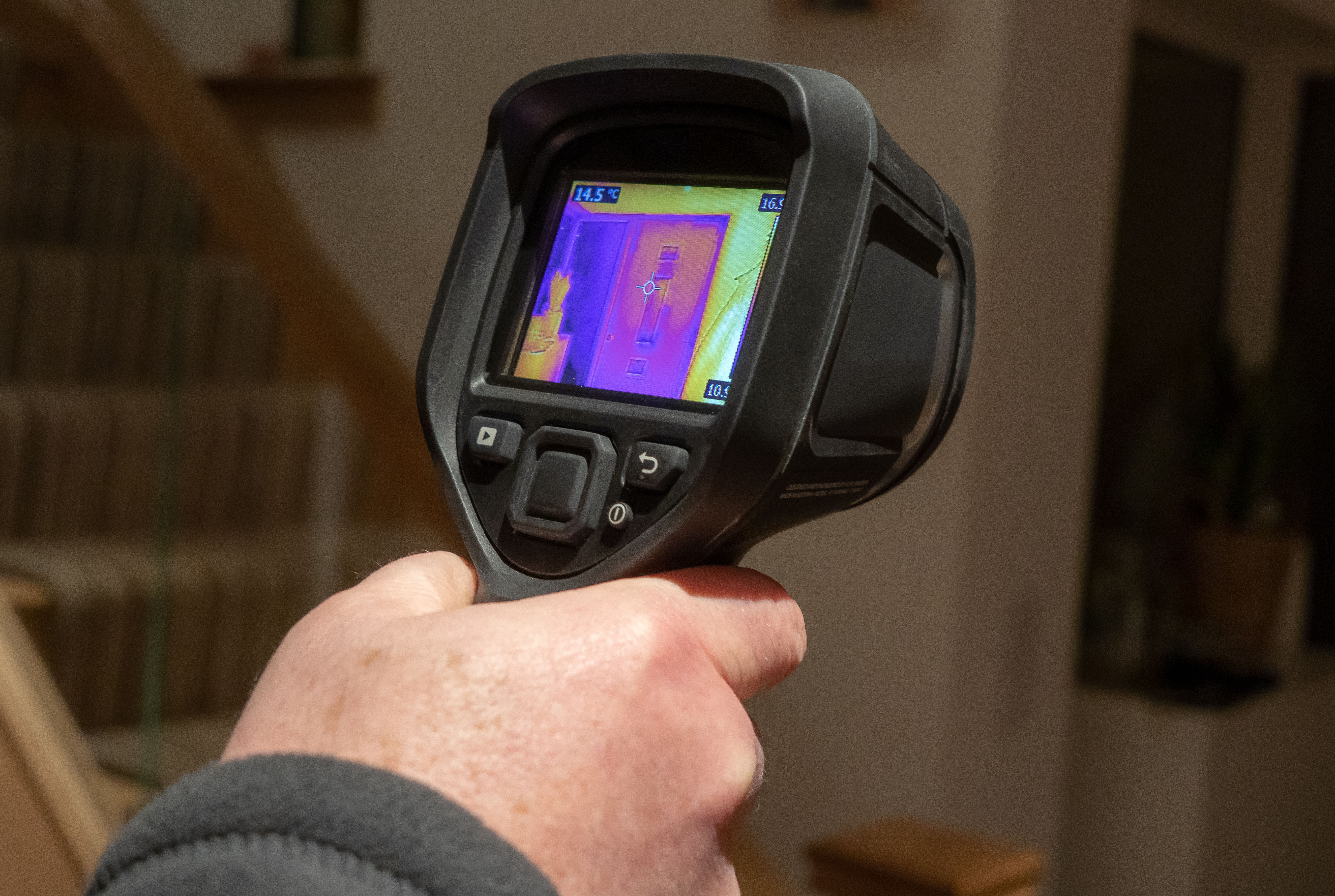
  • Infrared imaging: $200

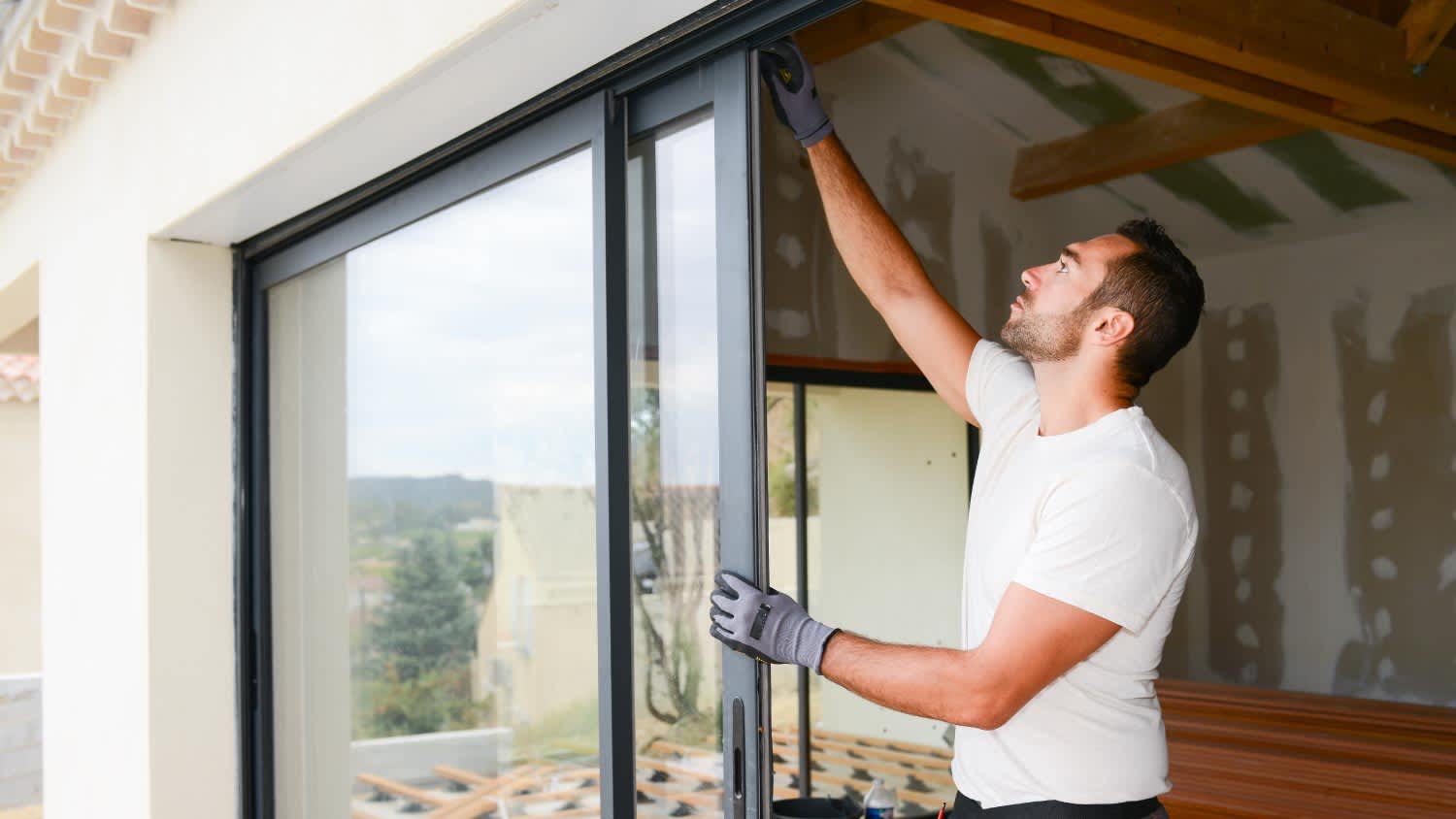
Wood windows fall in the middle of the window frame materials when it comes to energy efficiency. They’re more insulating than aluminum and vinyl, but they aren’t as efficient as fiberglass or composite frames. If you love the look and lifespan of wood windows and want to maximize efficiency, you can upgrade to double-pane or triple-pane glass and consider window tinting and low-emissivity (low-E) coatings to minimize heat transfer.

Modern windows provide enhanced UV protection, improved heat retention, and cooling efficiency, contributing to overall household energy savings.

Home power is measured in kilowatt-hours, commonly expressed as kWh. The average home uses between 800 and 1,000 kWh per month. Peak usage (and highest bills) occurs in the middle of summer and the depths of winter. Keeping on top of your usage during these crucial months will lower your annual average usage considerably. 

The Fargo, ND homeowners’ guide to energy efficiency auditing services

From average costs to expert advice, get all the answers you need to get your job done.