




Top-rated energy efficiency auditors.

Get matched with top energy efficiency auditors in Horace, ND

Enter your zip and get matched with up to 5 pros

Need a pro for your energy efficiency auditing project in Horace, ND?

Select your specific project to find the pro for you.

Find Energy efficiency auditors in Horace

Energy Efficiency Auditing questions, answered by experts

If you have central air conditioning, it’s fine to run your AC all day if that’s what you want—as long as the AC unit is in good condition. But if your AC runs constantly when you don’t want it to, there may be a problem with your system (like the ones we’ve mentioned above). Window AC units and wall air conditioners aren’t as powerful as central AC, so you should only run those kinds of air conditioners for eight to 12 hours at a time.

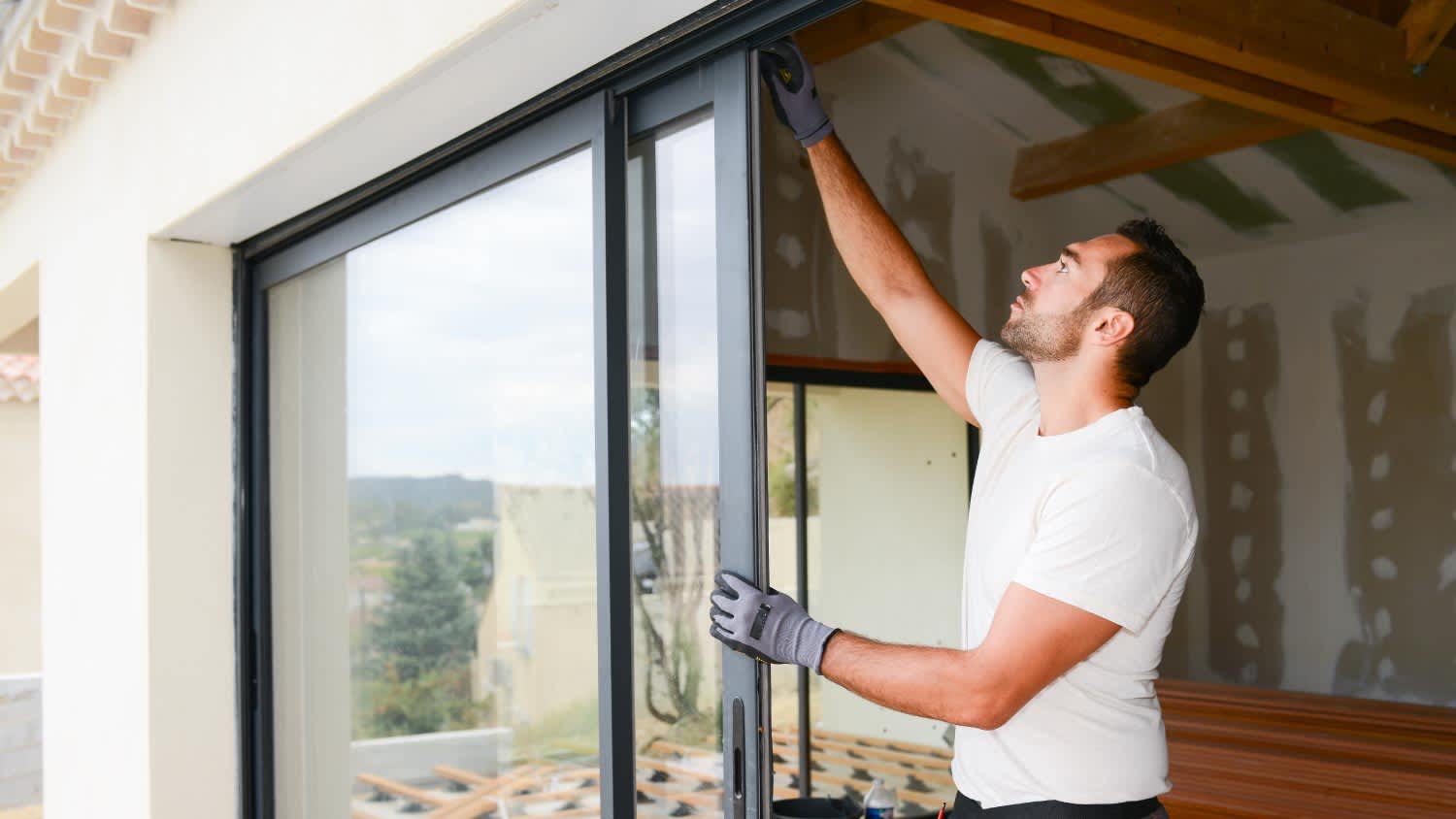
ENERGY STAR®-certified windows are the most energy-efficient windows on the market. This certification means that the window meets strict efficiency guidelines set forth by the Environmental Protection Agency. While they might cost more upfront, they can save you money on your energy bills in the long run. ENERGY STAR®-certified windows lower household energy bills by an average of 12% annually.

Attic and whole-house fans improve a home's energy efficiency and comfort. They ventilate hot air from the attic, which reduces peak cooling loads, lowers reliance on air conditioning, and decreases indoor temperatures. This improved air circulation and expedited heat exit helps lower cooling costs, balance moisture levels, and enhance overall natural airflow, contributing to the efficient operation of other home equipment.

Some types of electric fireplaces use more electricity than others. Models that produce 1,500 watts will have more of an effect on your heating bill than 750-watt models. 

Electric fireplaces use an average of $1.85 of electricity every eight hours. These minimal operational costs aren’t likely to make a big difference in your electric bill—unless you’re using it as a primary heating source for your home and it’s running most of the time.

There is no blanket figure for a residential home’s electrical load, since load varies by the size of the home, how many appliances are used, and the efficiency of their electrical systems. Typically, however, it’s safe to assume 40 to 60 amps is the average electrical load of a residential home. 

The Horace, ND homeowners’ guide to energy efficiency auditing services

From average costs to expert advice, get all the answers you need to get your job done.