



Top-rated generator install pros.

Get matched with top generator install pros in Mint Hill, NC

Enter your zip and get matched with up to 5 pros

Need a pro for your generator install project in Mint Hill, NC?

Select your specific project to find the pro for you.

Find Generator install pros in Mint Hill

Tamcoat Electrical Contractors
4.3(
72
)

Serving Mint Hill, NC and surrounding areas

Approved

In business since 1998

Free estimates

Customers say: Terrific value

"We were VERY PLEASED we hired TAMCOAT! WOW, they did an AWESOME job and we now know to call "OUR ELECTRICIAN" for any future jobs. We gave them about 6 - 7 "TO DO" items and the work was done very efficiently and quality all the way. We were VERY IMPRESSED! Thank you TAMCOAT for your fine service."
Response time10 mins
17 neighbors recently requested a quote
Recommended by100%of homeowners
J. N. Greene Electrical Contracting Inc.
5.0(
9
)

Serving Mint Hill, NC and surrounding areas

Approved

In business since 1995

Free estimates

Credit card accepted

"If you need electrical work done, please call J. N. Green Electrical. We started off by calling several companies out to our house to fix what we thought was a minor electrical problem. After three different electricians came out and three different bills, with nothing fixed, we found J.N. Green Electrical on Angie List. We were skeptical at first but said, Let give it a try. Green Electrical was out at our house that same day and was able to fix the problem in no time. They were very professional and charged me less than the other three companies that did not fix the problem. I would definitely recommend them to anyone! They have been our go-to guys ever since!"
Response time6 hrs
Recommended by100%of homeowners
Avatar for WyattWorks Plumbing
WyattWorks Plumbing
4.6(
58
)

Serving Mint Hill, NC and surrounding areas

Approved (Corporate)

In business since 1979

Emergency services offered

Warranties offered

"Scott was on time and very professional. He examined the current installation of the toilets and provided me with options to address the problem and install new toilets. I enjoyed meeting him and appreciated his expert opinions. I am still getting estimates and will certainly keep this company at the top of my list. Scott is very easy to communicate with and will brighten your day with his smile."
Additional Photos
Additional Photos
Additional Photos
Additional Photos
Additional Photos

+1

Response time10 hrs
4 neighbors recently requested a quote
Recommended by93%of homeowners
...
Showing 1-10 of 102
Generator Install questions, answered by experts

To power a central air system during a power outage, the whole-house generator will need to be at least 5,000 watts, and this number will significantly increase for larger units. Check the specific wattage requirements of your AC unit to choose the right generator size. Consider consulting a generator installer to ensure your whole-house generator meets your electrical load needs.

Homeowners can often access federal tax credits, such as the Investment Tax Credit (ITC), which covers a percentage of installation costs. Many states and utilities offer additional rebates, grants, or performance-based incentives. These programs can significantly lower your upfront investment. Check the Database of State Incentives for Renewables and Efficiency (DSIRE) or contact your local energy office for current offers.
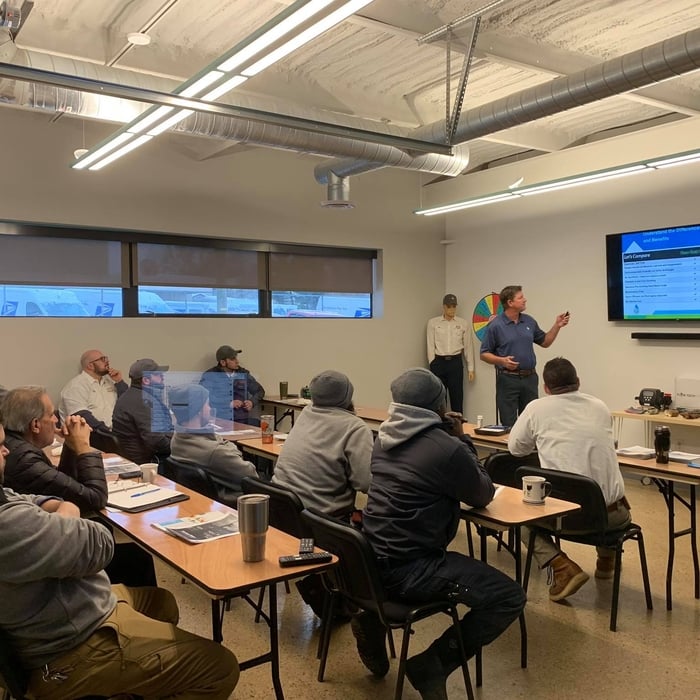

Many services include assembling the unit and securing it in the window. Confirm with your provider.

To determine the right size generator for your house, you should calculate the total wattage of the appliances and devices you want to power during an outage. List all essential items, note their start-up wattages, and add them together.

Here are some typical wattage requirements for common appliances:

  • Refrigerator: 600 watts

  • Large dehumidifier: 700 watts

  • Large window air conditioner: 1,400 watts

  • Water heater: 3,000 to 4,500 watts

  • Electric furnace: 5,000 to 25,000 watts

A 7,500-watt generator might be sufficient for essentials like a refrigerator, freezer, well pump, and lighting circuits. However, for high-demand items like a water heater or furnace, a whole-home generator is a better choice. A portable generator may be enough if you only need to power a few critical items.

While home square footage can offer a rough estimate, it is not always a reliable indicator. For reference, here are some typical generator sizes based on square footage:

  • 1,000 sq ft: 6–9 kW

  • 1,500 sq ft: 7–10 kW

  • 2,000 sq ft: 10–14 kW

  • 2,500 sq ft: 12–16 kW

  • 3,000 sq ft: 16–20 kW+

For the most accurate sizing, consult a professional who can calculate your home's peak and average power consumption and recommend the optimal generator.

While diesel is relatively stable, it won’t last nearly as long as propane and you may have to replace it if it sits unused for too long. Diesel can sometimes struggle to work efficiently or start engines during especially cold weather, so it’s not the best choice for every climate. Compared to fuels like propane and natural gas, diesel generators tend to be noisier and create more exhaust, which isn’t always ideal for home use.

The Mint Hill, NC homeowners’ guide to generator installs

From average costs to expert advice, get all the answers you need to get your job done.