




Top-rated generator install pros.

Get matched with top generator install pros in Mount Holly, NC

Enter your zip and get matched with up to 5 pros

Need a pro for your generator install project in Mount Holly, NC?

Select your specific project to find the pro for you.

Find Generator install pros in Mount Holly

Powerhouse Electric & Generators
4.8(
16
)
Fixed Generator - InstallFixed Generator - Repair

Serving Mount Holly, NC and surrounding areas

Approved

In business since 2022

Free estimates

Credit card accepted

Welcome to Powerhouse Electric & Generators! We take pride in the quality of work and customer satisfaction that we give each and every customer! We are known to pay exquisite attention to detail while making customer satisfaction our top priority. Call us today to learn more about how we can help you!\n

Recommended by53%of homeowners
Avatar for Walker Electrical Services
Walker Electrical Services
5.0(
11
)
Fixed Generator - InstallGenerator - Install - For BusinessPortable Generator - Install

Serving Mount Holly, NC and surrounding areas

Approved

Super Service Award Winner

In business since 2024

Free estimates

Emergency services offered

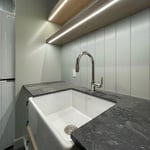
"Drew, the owner of Walker Electric was the technician that actually showed up to do the work. I had him install a ceiling exhaust fan in my bathroom. He did excellent work replacing the old one with new and didn’t do any unnecessary drywall damage. I also had Drew install under cabinet strip lighting in my kitchen that came out looking wonderful. His pricing was more than reasonable and his quality of work was top notch. I would recommend Walker Electric for any of your electrical needs and I will absolutely be using them again in the future!"
Portfolio
Portfolio
Portfolio
Portfolio
Portfolio

+12

Response time8 hrs
Response rate95%
Recommended by9%of homeowners
Smart Power Source, Inc.
4.6(
11
)
Fixed Generator - Install

Serving Mount Holly, NC and surrounding areas

Approved

In business since 2023

Free estimates

Credit card accepted

"I had been reaching out to other vendors and had a hard time getting a call back. Jason got back to me quickly and answered every question and concernI had about generators and installation. His crew were nice, quick and tidy! Well organized and detailed work! Thank you!"
Response time10 mins
Response rate88%
Recommended by90%of homeowners
Avatar for ALB Electric L.L.C
ALB Electric L.L.C
5.0(
23
)
Portable Generator - Install

Serving Mount Holly, NC and surrounding areas

Approved

Super Service Award Winner

In business since 2023

Free estimates

Emergency services offered

"LJ did a great job upgrading my panel. The price as fair and he his work was very clean. I really felt like he knew exactly what he was doing and explained it to me clearly. Our panel has been installed for a while now and we have not had a single issue. I would definitely hire him again and have already recommended him to all my neighbors."
Response time2 hrs
Response rate96%
68 neighbors recently requested a quote
...
Showing 1-10 of 93
Generator Install questions, answered by experts

In most municipalities, you will need a permit to install a permanent home generator, including emergency backup, partial-home, and whole-home generators. A permit for a generator usually costs between $50 and $250, depending on where you live. Your electrician or certified generator installer will usually pull the permit for you—and might be required to do so by your building department—but you’ll be on the hook for the cost of the permit. You should ask your installer before agreeing to any work if they will pull the necessary permits for your project.

To determine the right size generator for your house, you should calculate the total wattage of the appliances and devices you want to power during an outage. List all essential items, note their start-up wattages, and add them together.

Here are some typical wattage requirements for common appliances:

  • Refrigerator: 600 watts

  • Large dehumidifier: 700 watts

  • Large window air conditioner: 1,400 watts

  • Water heater: 3,000 to 4,500 watts

  • Electric furnace: 5,000 to 25,000 watts

A 7,500-watt generator might be sufficient for essentials like a refrigerator, freezer, well pump, and lighting circuits. However, for high-demand items like a water heater or furnace, a whole-home generator is a better choice. A portable generator may be enough if you only need to power a few critical items.

While home square footage can offer a rough estimate, it is not always a reliable indicator. For reference, here are some typical generator sizes based on square footage:

  • 1,000 sq ft: 6–9 kW

  • 1,500 sq ft: 7–10 kW

  • 2,000 sq ft: 10–14 kW

  • 2,500 sq ft: 12–16 kW

  • 3,000 sq ft: 16–20 kW+

For the most accurate sizing, consult a professional who can calculate your home's peak and average power consumption and recommend the optimal generator.

Yes, natural gas generators can work without electricity. Natural gas generators are a common type of backup or whole-house generator that operates when the electrical grid isn’t working. The trick is using a transfer switch (which usually needs to be installed with the generator) that safely switches the home electrical system from the power grid to generator power when needed.

If your home already has a grinder pump and you’re still noticing issues (like frequently clogged toilets and sinks), it could be time to upgrade your grinder pump. Start by checking your existing horsepower. If there are four or fewer people living in your home, using a 1/2-horsepower grinder pump should be sufficient. Larger households should consider investing in a 1-horsepower grinder pump to maximize wastewater removal efforts.

No, you should never plug a generator directly into a wall outlet in your house. This practice is extremely dangerous, often illegal, and can cause "back-feeding," where power from the generator flows back into utility lines, creating a life-threatening hazard for utility workers. It can also damage your home's electrical system, including appliances like pumps and HVAC fans. If the main power is restored while the generator is connected, it can destroy the generator and cause an electrical fire. To safely connect a generator, you must use a professionally installed transfer switch or an interlocking kit, which prevents back-feeding by disconnecting your home from the utility grid before the generator provides power.

The Mount Holly, NC homeowners’ guide to generator installs

From average costs to expert advice, get all the answers you need to get your job done.