






Top-rated generator install pros.

Best generator install pros near Unionville, NC

Enter your zip and get matched with up to 5 pros

Need a pro for your generator install project in Unionville, NC?

Select your specific project to find the pro for you.

Top-Rated Generator install pros in Unionville - Updated Nov 2026

Avatar for ALB Electric L.L.C
ALB Electric L.L.C
5.0(
27
)
Portable Generator - Install

Serving Unionville, NC and surrounding areas

Approved

Super Service Award Winner

In business since 2023

Free estimates

Emergency services offered

"LJ, with ALB was fantastic, personable, professional, communication about my project was great. The install went smoothly, inspection with the county was arranged by LJ and completed… I highly recommend ALB for any and all of your electrical installation and electrical projects! Definitely a 5 star ⭐️ ⭐️⭐️⭐️⭐️ review is warranted.."
Response time2 hrs
Response rate96%
86 neighbors recently requested a quote
Avatar for Eco Electric
Eco Electric
4.6(
35
)
Fixed Generator - InstallGenerator - Install - For BusinessPortable Generator - Install

Serving Unionville, NC and surrounding areas

Approved

In business since 2016

Free estimates

Customers say: Quality work

"Mr. Kir answered when I called and was at my house within an hour. He had my problem fixed in about 15 minutes . He was very reasonable in cost also . Very nice young man . I will definitely call him when I am in need of an electrician again ."
Panel Upgrade
Rough-in
Kitchen Remodel
Added LED Cans in Family Room
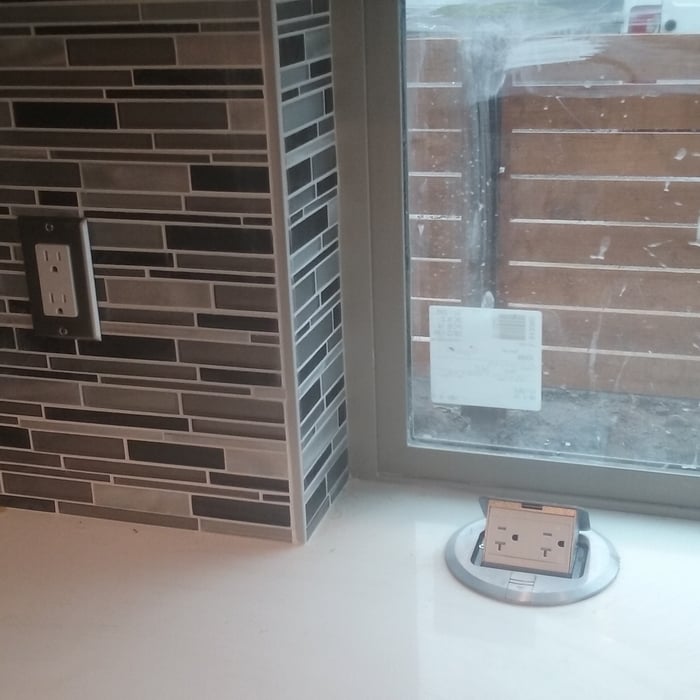
Kitchen Outles, Counter Top Pop-Up outlet.

+10

Response time1 day
Recommended by100%of homeowners

Avatar for SouthernAire Heating and Air Conditioning, LLC
SouthernAire Heating and Air Conditioning, LLC
New to Angi
Fixed Generator - InstallFixed Generator - Repair

Serving Unionville, NC and surrounding areas

Approved

In business since 2000

Free estimates

Emergency services offered

We take great pride in our experience, expertise, quality, and customer service that we provide to meet the consumer's needs. \nIt is our mission to provide excellent workmanship and complete customer satisfaction, from the start to the completion of a project. \nIn order to understand the needs and expectations of our customers, we take great care to work and communicate with every customer \nin a professional manner. Our reputation is based on service, safety, and quality, regardless of how large or small the job.

...
Showing 1-10 of 70
Generator Install FAQs, answered by experts

Yes, installing a generator usually increases your property value because buyers are getting the added peace of mind knowing they’ll be able to maintain power through blackouts. In most cases, you should see close to a 100% return on investment (ROI). Keep in mind that home generators usually need a permanent foundation, and installing a concrete slab will likely raise your property taxes slightly.

As a safety measure, you should always turn off the main breaker while operating your generator’s backup breaker. In addition, you should also switch off all appliance breakers so you don't have a power surge when the main breaker turns back on. And finally, turning off the main breaker prevents back-feeding, which endangers utility workers with the risk of electrocution. Back-feeding could also destroy the electrical circuits of your neighbors if they use the same power network.

If you’re wondering whether gas generators produce carbon monoxide, know that natural gas generators do not produce carbon monoxide if they are functioning properly, as natural gas burns cleanly. However, if the generator malfunctions and the gas does not burn completely, there is potential for carbon dioxide to be produced. To prevent malfunctions, it's crucial to perform regular maintenance, including running the generator weekly and scheduling professional inspections every 6 to 12 months. Also, be sure to test your carbon monoxide detectors regularly to ensure they function in the rare case of the generator producing carbon monoxide.

To determine the right size generator for your house, you should calculate the total wattage of the appliances and devices you want to power during an outage. List all essential items, note their start-up wattages, and add them together.

Here are some typical wattage requirements for common appliances:

  • Refrigerator: 600 watts

  • Large dehumidifier: 700 watts

  • Large window air conditioner: 1,400 watts

  • Water heater: 3,000 to 4,500 watts

  • Electric furnace: 5,000 to 25,000 watts

A 7,500-watt generator might be sufficient for essentials like a refrigerator, freezer, well pump, and lighting circuits. However, for high-demand items like a water heater or furnace, a whole-home generator is a better choice. A portable generator may be enough if you only need to power a few critical items.

While home square footage can offer a rough estimate, it is not always a reliable indicator. For reference, here are some typical generator sizes based on square footage:

  • 1,000 sq ft: 6–9 kW

  • 1,500 sq ft: 7–10 kW

  • 2,000 sq ft: 10–14 kW

  • 2,500 sq ft: 12–16 kW

  • 3,000 sq ft: 16–20 kW+

For the most accurate sizing, consult a professional who can calculate your home's peak and average power consumption and recommend the optimal generator.

Whole-house generators can run continuously for extended periods, even for weeks at a time (around 400 to 500 hours), as long as they have a sufficient fuel supply. However, this type of extensive use will increase wear and tear and can shorten the generator's overall lifespan. During long periods of operation, it's important to check and refill the engine oil as needed, potentially as frequently as daily depending on the model. If your generator uses a fuel tank, ensure it is kept full to prevent unexpected shutdowns.

The Unionville, NC homeowners’ guide to generator installs

From average costs to expert advice, get all the answers you need to get your job done.