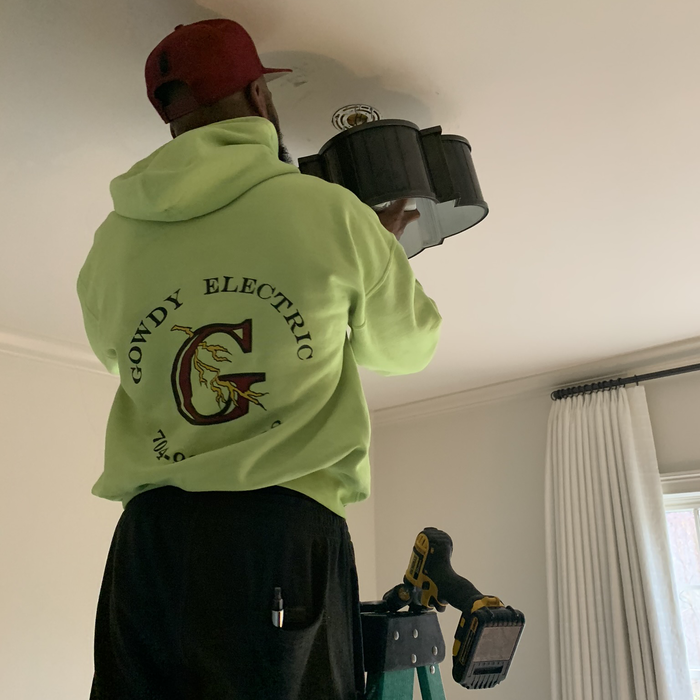






Get matched with top electricians in Mint Hill, NC

Mint Hill homeowners rate electricians in our network
4.6

(3.1k reviews)

Top-rated electricians.
Electrical questions, answered by experts

In Mint Hill, homeowners often skip necessary permits, underestimate the complexity of electrical work, or overlook local code requirements. Some forget to plan for frequent storms, undersize their electrical service when adding appliances, or neglect surge protection. Failing to verify a contractor’s credentials can also cause issues. Careful planning and hiring a qualified electrician help avoid these common pitfalls.
Helpful?

In Mint Hill, flickering lights during storms, warm or discolored outlets, and frequent breaker trips are warning signs. A burning smell, panel corrosion from humidity, or GFCI outlets that won’t reset may indicate deeper problems. Older homes with aluminum wiring or overloaded circuits are especially at risk. Addressing these issues early helps prevent more extensive and costly electrical repairs.

Helpful?

If your Mint Hill home is more than 20 years old, experiences frequent breaker trips, or has too few outlets for modern devices, it’s likely time for electrical upgrades. Homes with outdated panels, aluminum wiring, or recent additions also benefit from improvements. With the area’s humid summers and increased energy use, updating your electrical system boosts both safety and long-term comfort.

Helpful?

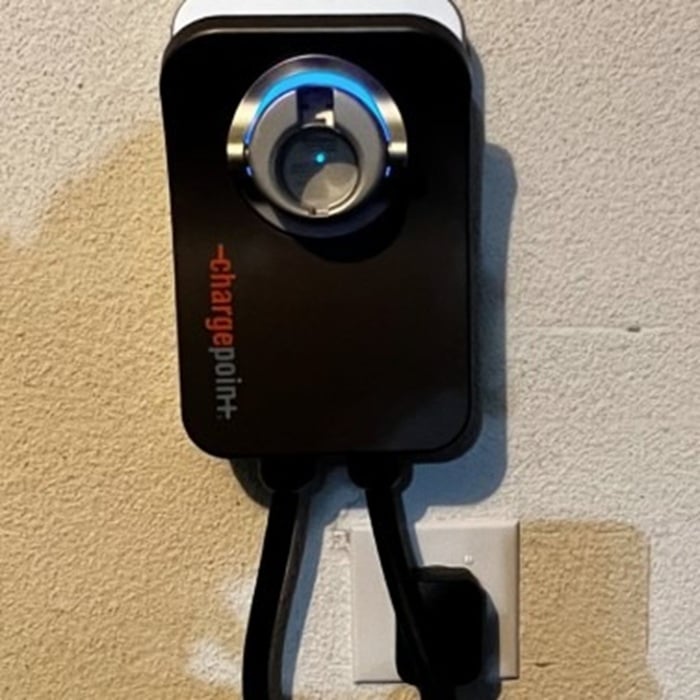
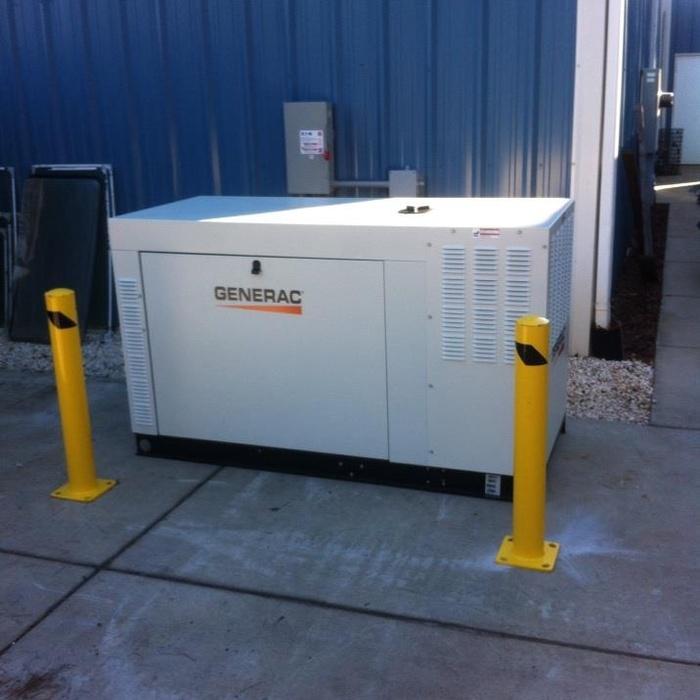
New homeowners in Mint Hill should start with a comprehensive electrical inspection and panel evaluation. Upgrading to GFCI outlets in kitchens, bathrooms, and outdoor areas is crucial for safety. Installing whole-house surge protection, proper grounding, and hardwired smoke detectors is recommended. Consider weather-resistant outdoor lighting and plan ahead for future needs like EV charging or backup generators, especially given the area’s frequent storms.

Helpful?

Mint Hill’s humid climate, with hot summers and frequent thunderstorms, means electrical projects must address moisture protection and surge risks. Outdoor wiring should use weather-resistant materials, and surge protection is essential due to frequent lightning. Scheduling major work in spring or fall helps avoid extreme temperatures, which can affect installation quality and safety for both indoor and outdoor electrical upgrades.


Helpful?