"The tech was very knowledgeable and went above and beyond to satisfy us. Our faucet was broken would not attach to the sink as the copper seal broke to the water lines."
"One oven doesn't work at all ( my choice, see above), the "working" oven was never calibrated properly so using it is hit or miss. It's time to call American Home Shield to see about replacing the entire unit. I'm waiting to finish other home projects before calling them. I don't know if I'll request Greenway again."
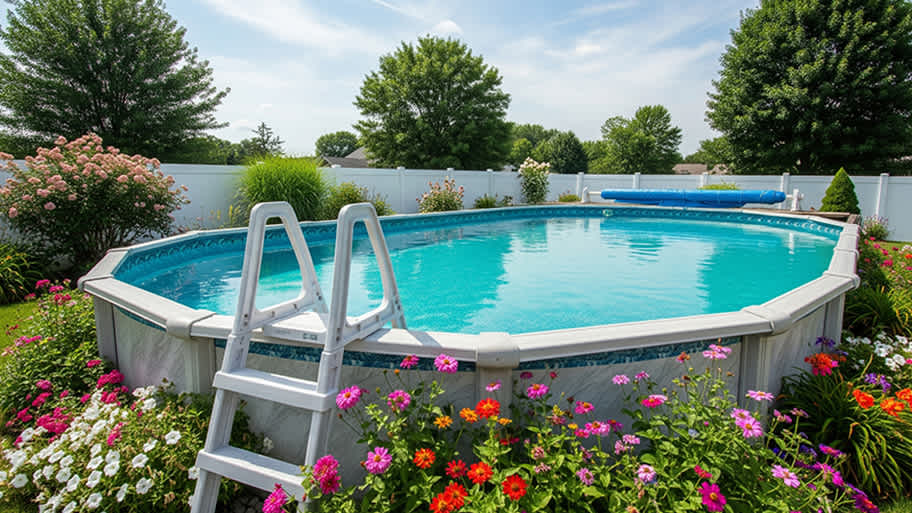
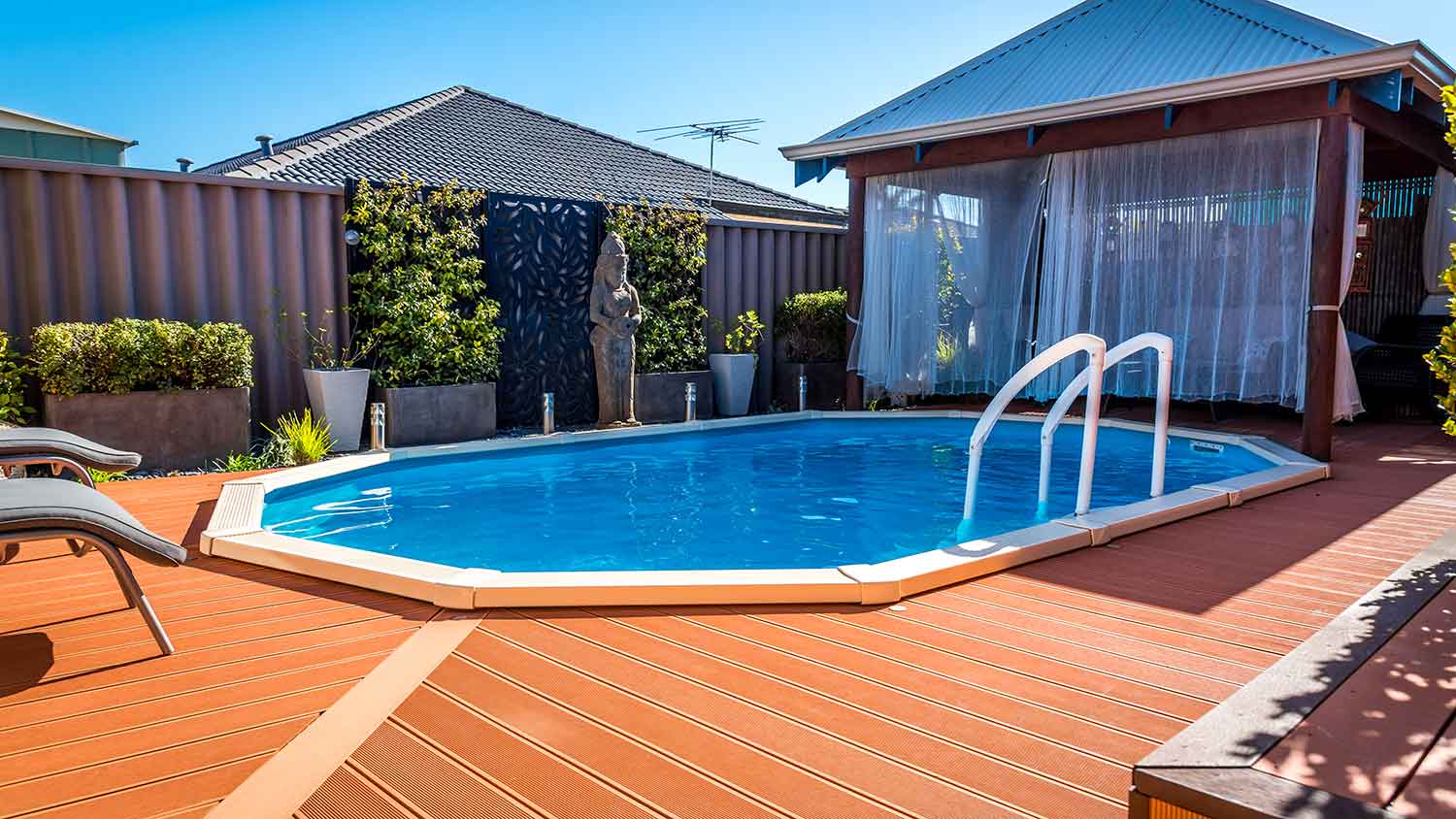
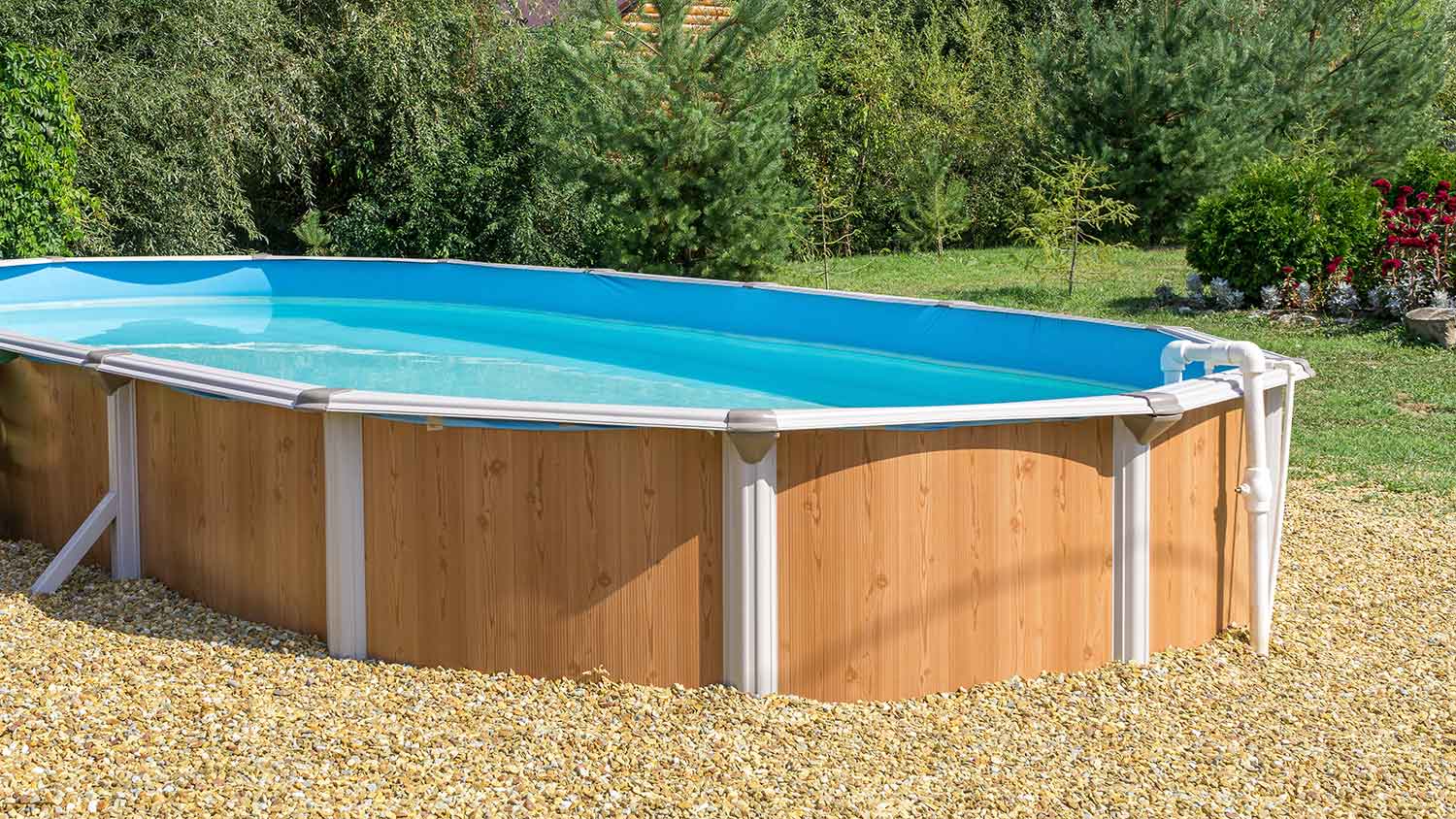
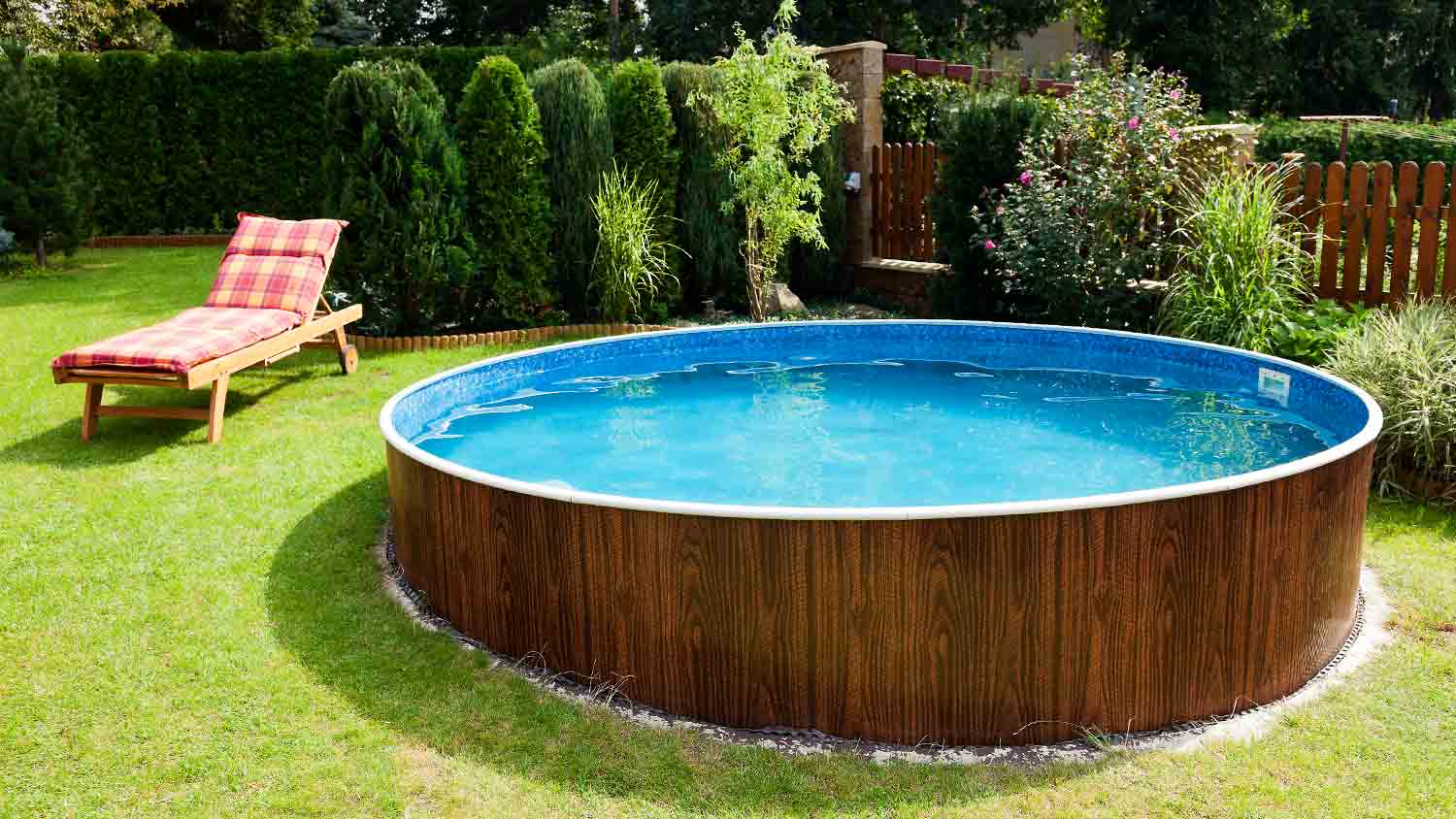
Install Above Ground Pools questions, answered by experts
Yes, a pool with a heater will lose more water. The heater warms the water, which increases the rate of evaporation. To minimize water loss from evaporation, you can install a pool cover and keep the pool covered when it is not in use.
No, you shouldn’t be able to taste the salt at all since saltwater pools only contain about 10% of the salt you’d find in ocean water. Saltwater pools do create some chlorine, though, so you should still try not to drink the water.
There are many factors to consider when building an in-ground concrete pool. This includes the pool’s primary purpose (relaxation or exercise) if you live in a warm or cold climate (how often it’ll be used), and if you have the budget for chemical treatments and pool maintenance. In-ground pools are often more costly than aboveground pools, but they’re considered more luxurious and hold more value.
Generally, you do not need to drain your pool to convert it to a saltwater system. The main exception is if you have used an antibacterial agent containing polyhexamethylene biguanide to sanitize your pool, as these sanitation products do not mix well with saltwater systems. If this is the case, you will need to start fresh. You can either drain the pool or treat the existing water with a high dose of chlorine to remove the antibacterial agent. If you choose the chlorine treatment, wait several days to allow the chlorine to work before proceeding with the conversion. If you are unsure whether this applies to your pool, consult a pool technician.
You can make your pool accessible to people with disabilities or mobility issues by adding a sloped entrance to the pool and including handrails at all entry and exit points. A pool lift, though expensive, makes it especially easy for people with all levels of mobility to enter and exit a pool safely. Upgrading your whole home to be more accommodating? Here are several tips to make your home more accessible for those with disabilities or those aging in place.
The Valier, MT homeowners’ guide to above ground pool installation services
From average costs to expert advice, get all the answers you need to get your job done.
Above ground pools are more affordable than inground pools, so can you put an above ground pool in the ground to save money? Learn when it’s safe to do so.