"The tech was very knowledgeable and went above and beyond to satisfy us. Our faucet was broken would not attach to the sink as the copper seal broke to the water lines."
"One oven doesn't work at all ( my choice, see above), the "working" oven was never calibrated properly so using it is hit or miss. It's time to call American Home Shield to see about replacing the entire unit. I'm waiting to finish other home projects before calling them. I don't know if I'll request Greenway again."
Install Above Ground Pools questions, answered by experts
Draining a pool with a garden hose can take between eight and 14 hours depending on the depth of your pool and whether you use a sump pump. Be sure to stay close to the pool during this time to ensure the structure of your pool remains unharmed and that the water drains properly.
The most expensive part of building a pool is typically the excavation and labor, which can account for 25% to 50% of the total project cost. This is particularly true for inground pools that require significant excavation, potentially including the rental of large equipment, and extensive construction labor. In contrast, above-ground pools are generally less expensive as they typically do not require excavation and can be installed much more quickly. Concrete in-ground pools are among the most labor-intensive options.
You’ll save money by filling your pool by hose rather than water delivery. Since water delivery includes delivery fees and filling the pool, the savings between the two can be a difference of up to several hundred dollars. Generally, using your hose costs $26 to $70 less per 1,000 gallons than using water delivery.
A pool booster pump costs between $700 and $4,000 on average. The type and size of pump are the biggest factors that influence the cost. The average price of labor will also play a role since you should hire a pro to install a pool booster pump for you.
When you’re winterizing your pool, you need to drain some of the water to prevent cracking and warping from ice. Nonetheless, you should never drain all of the water. Ideally, you’ll lower the water level to anywhere from four to six inches below the skimmer. This will protect the structural integrity of the walls, help prevent your pool liner from warping, and reduce damage from debris.
The Sunburst, MT homeowners’ guide to above ground pool installation services
From average costs to expert advice, get all the answers you need to get your job done.
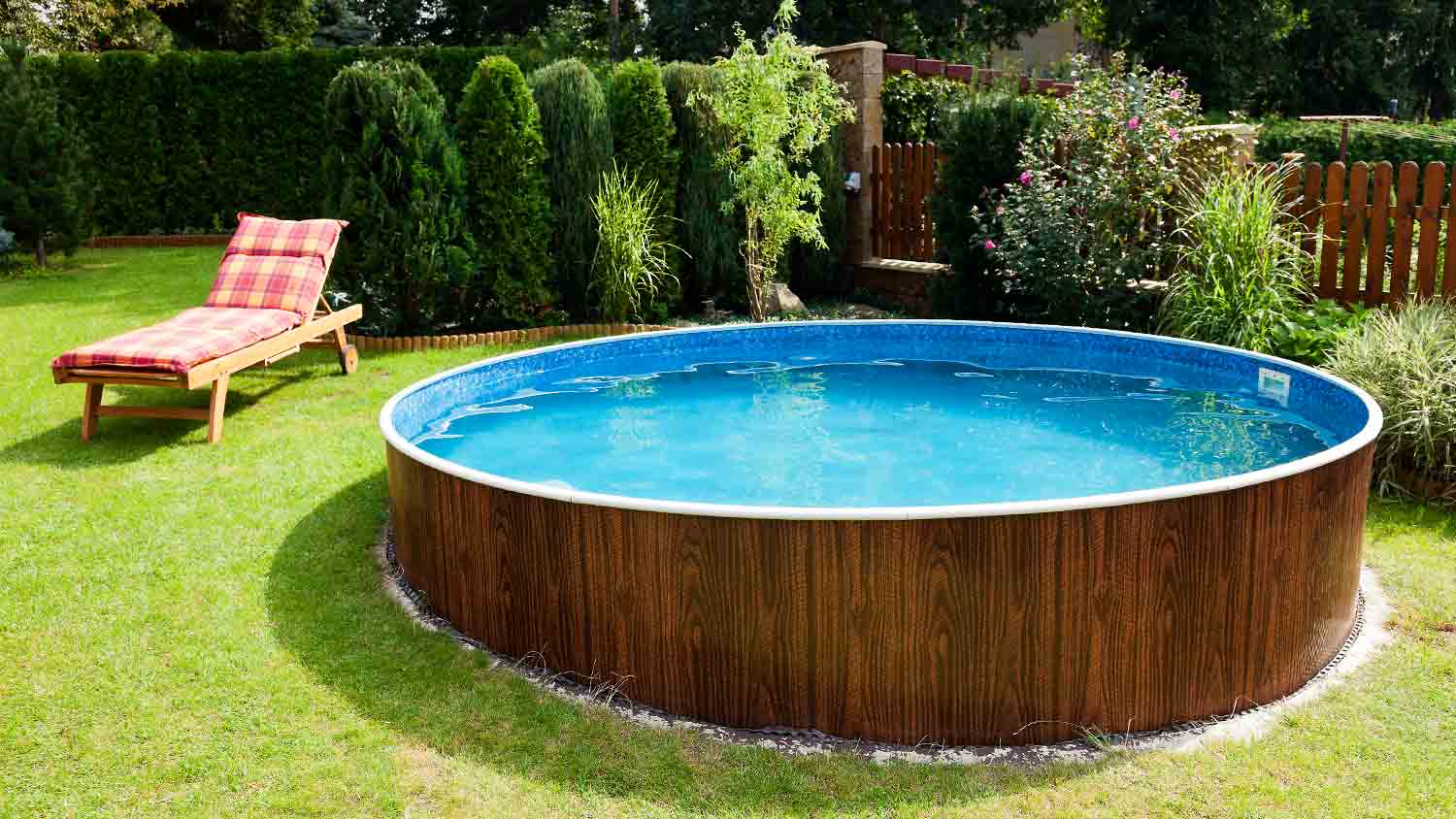
Above ground pools are more affordable than inground pools, so can you put an above ground pool in the ground to save money? Learn when it’s safe to do so.