"The tech was very knowledgeable and went above and beyond to satisfy us. Our faucet was broken would not attach to the sink as the copper seal broke to the water lines."
"One oven doesn't work at all ( my choice, see above), the "working" oven was never calibrated properly so using it is hit or miss. It's time to call American Home Shield to see about replacing the entire unit. I'm waiting to finish other home projects before calling them. I don't know if I'll request Greenway again."
Install Above Ground Pools questions, answered by experts
It depends. Your pool might need chlorine every day if the water is exposed to direct sunlight and you use your pool frequently. UV light and constant use will deplete chlorine levels more rapidly. Test your water regularly to see where your levels sit and adjust accordingly. Generally speaking, most homeowners need to add chlorine following a water chemical test about one to three times per week.
Costs range from $25,000 to $50,000, depending on size, design, and additional features.
It’s a good idea to call in a pro to fill in your pool, because there are many potential hazards to doing it yourself. Unless you’re careful, you can damage your septic tank, plumbing pipes, and sprinkler lines. It’s also possible to damage your sewer connections, utility lines, driveway, landscaping, and sidewalk.
Most importantly, you should never cut corners when building a pool. Whether it’s an in-ground or aboveground, poorly constructed pools are dangerous to both the swimmers and your property. Leaks can even lead to home foundation damage. While you can DIY smaller elements of pool installation, always hire a contractor to oversee the process.
Before deciding to install a swimming pool in your yard, there are many factors to consider. Even if you still need to figure out the specifics with your pool installer, having an idea of what you'd like will help the initial consultation. Some topics to consider include:
Will you use salt water for your pool or traditional hose water?
How big of a pool do you want to install? How deep?
What special zoning laws do you need to follow for your area?
Do you want to keep it simple or add special features like underwater lighting and waterfalls?
The Ledger, MT homeowners’ guide to above ground pool installation services
From average costs to expert advice, get all the answers you need to get your job done.
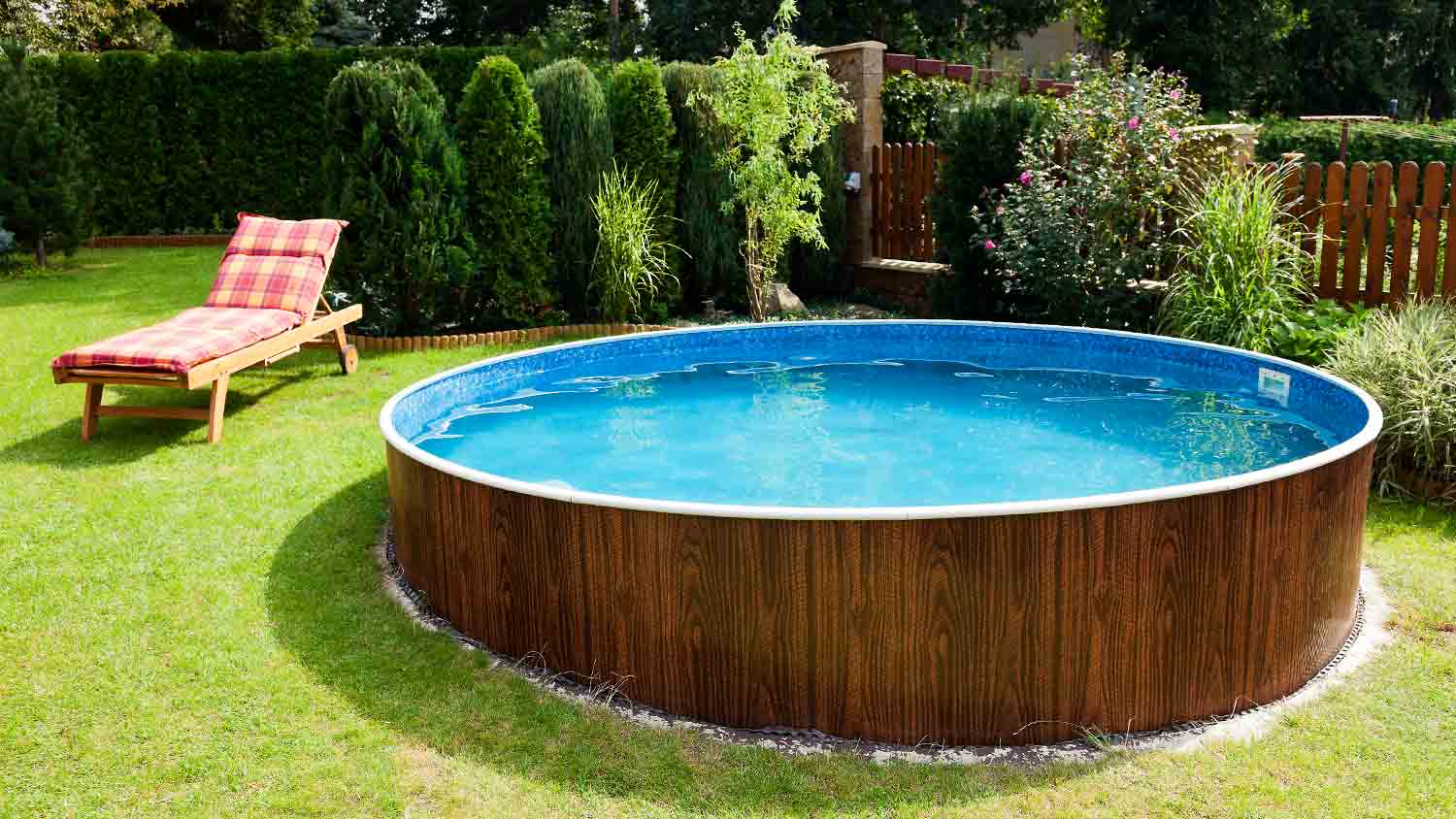
Above ground pools are more affordable than inground pools, so can you put an above ground pool in the ground to save money? Learn when it’s safe to do so.