"Well. Only problem was delay in response time after claim was filed online. Water tank started leaking Thanksgiving morning and no reply until I called the Regional Manager."
"I just pay $75 you never know who's going to come out. They do everything electrical. Just about everything is covered except the septic tank. I had an air conditioner replaced. It went great, all I had to do was pay for the freon. He didn't charge e more than what was needed."
Rob Heavilin of Quality Plumbing Services, PLLC can help you with all of your plumbing needs, from simple clogs to new tubs and showers to water mains. All with friendly professional service.
We are a locally owned company based out of Kalispell, Montana. We're dedicated to providing our clients with the very best in service, installation, and repairs. With years of industry experience, we take an enormous amount of pride in the attention to detail put into each of the projects we're involved with. We're known for our quality work and the integrity of our business. We can do anything that you need us to do, please reach out today for a free estimate.
How to size a well pressure tank is determined by three factors: flow rate, or how many gallons per minute your well pump produces; minimum runtime; and pressure switch setting. Most pressure tanks have a pressure switch operating at 20/40, 30/50, and 40/60—the first number is the pressure needed for the pump to turn on, and the second number is the pressure needed for the pump to switch off. Most homeowners relying on well water require a water pressure tank ranging from 20 to 80 gallons.
A leaking well pipe is quite different from if the well itself is leaking. To seal a leaking well, pour a cement mixture or bentonite into the space between the well casing and the borehole wall. The heavier cement collects at the bottom to form a solid seal, pushing lighter materials like mud and fluids up toward the surface. Professional well installation companies have the equipment to do this properly.
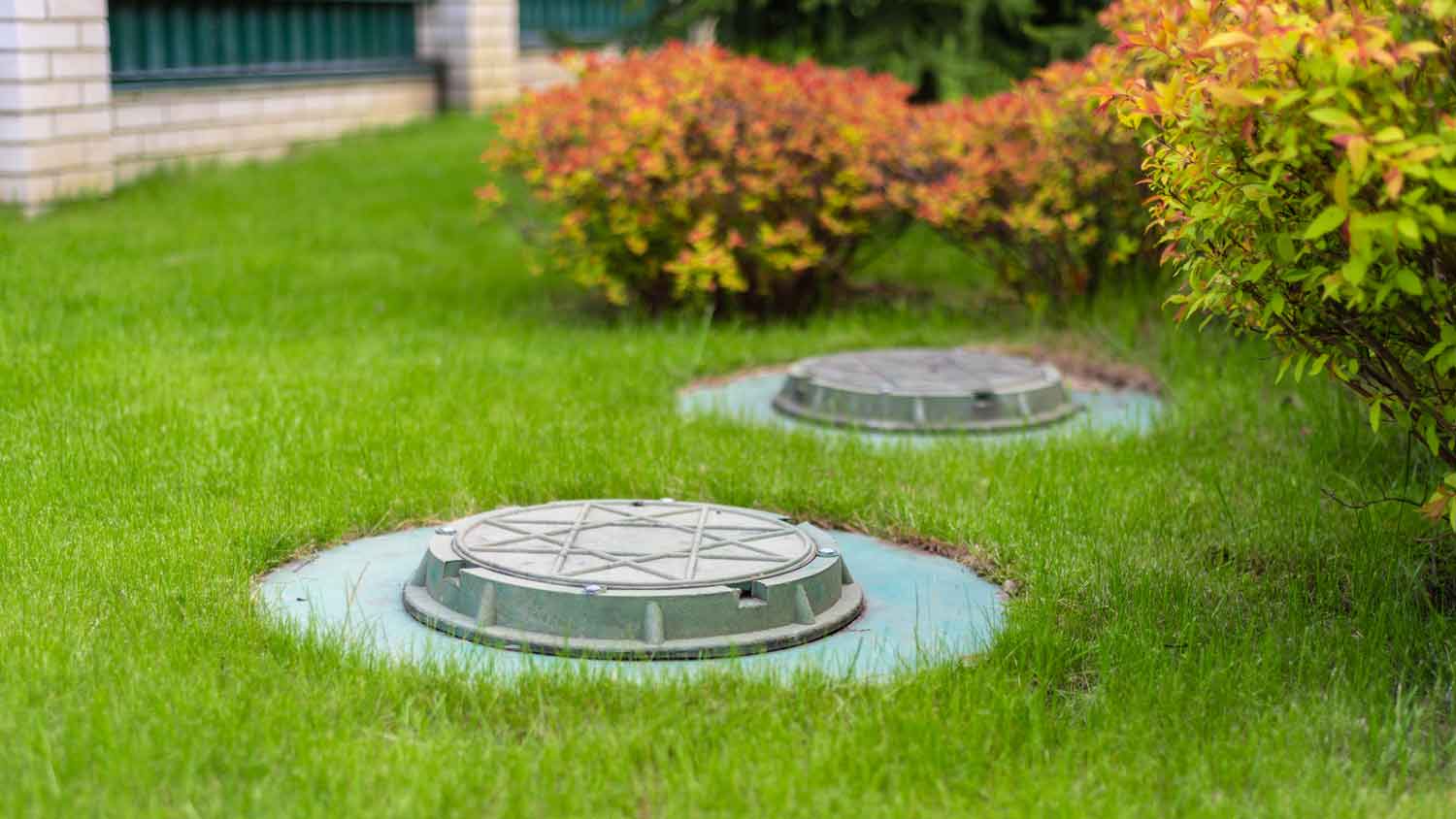
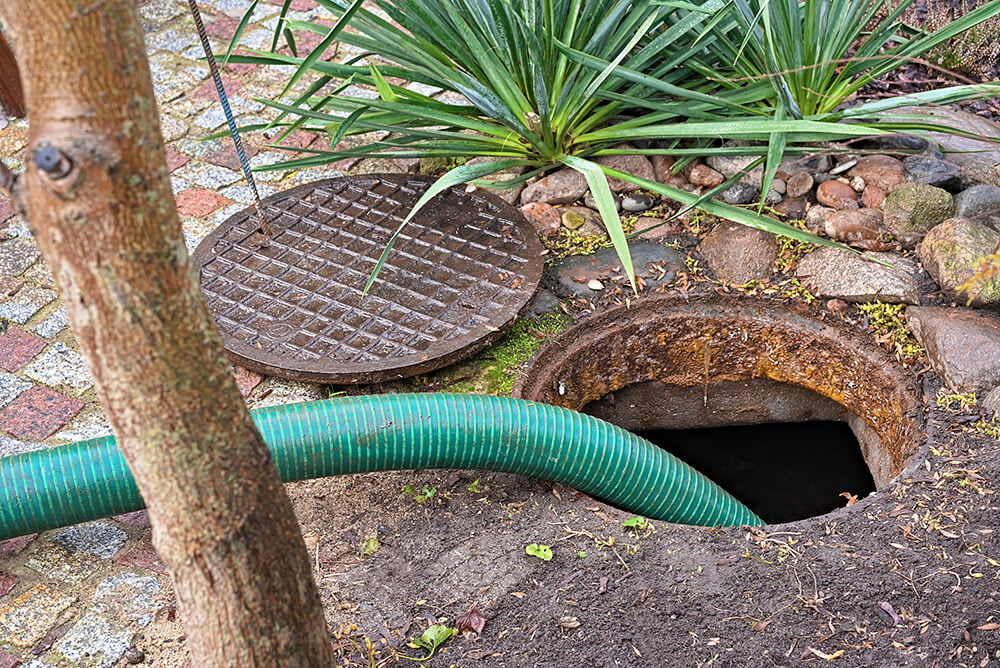
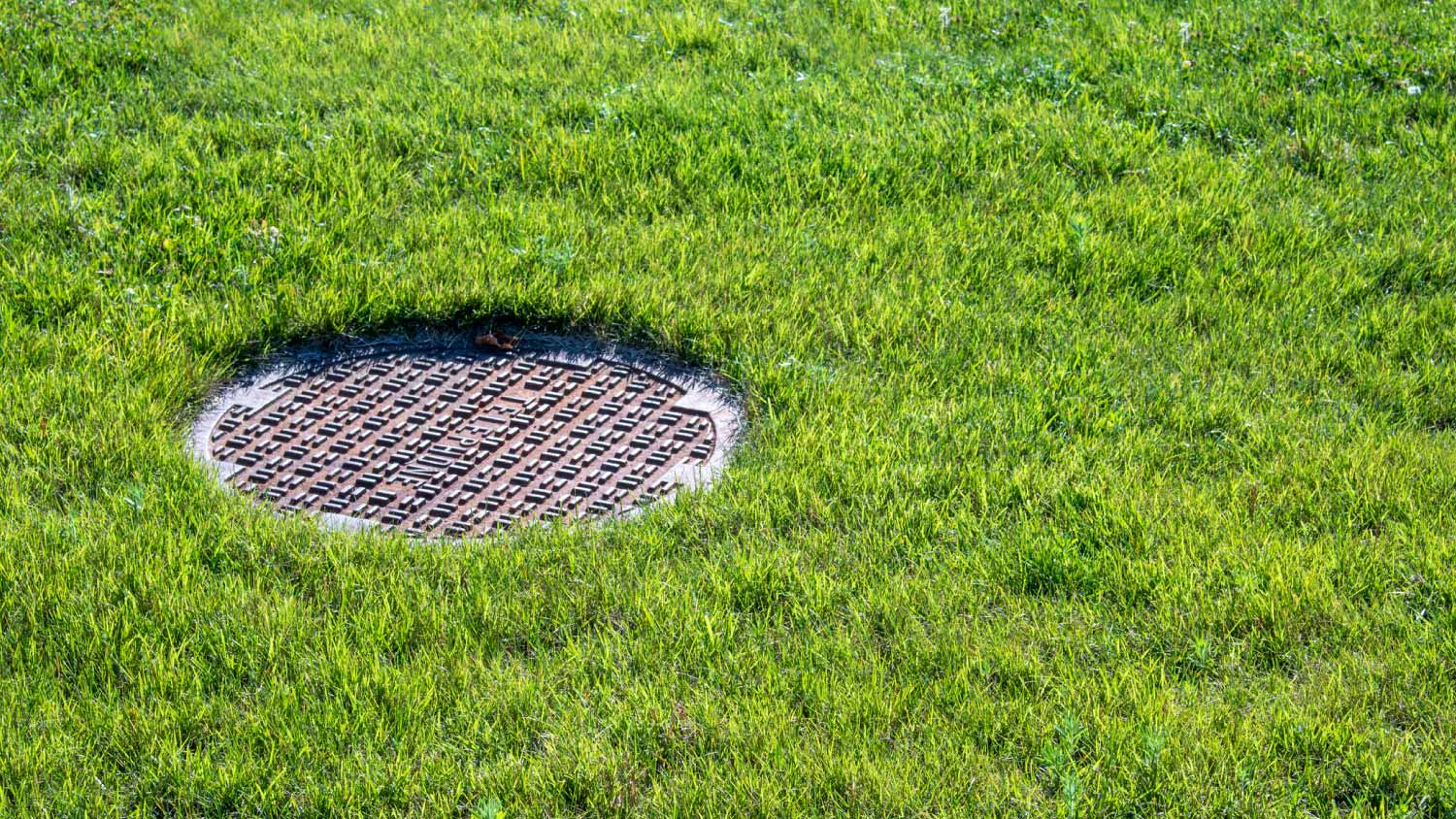
A septic tank lid is often 1 foot underground, but it could be just 4 inches from the surface or 4 feet deep. For septic tank lids that are closer to the surface, you’ll have an easier time locating them just by looking for signs in the yard or using a metal probe. But for septic tanks that are buried deeper underground, you’ll need to hire a pro with specialized equipment to track down the lid without risk of damaging utility lines.
You can check your own septic tank, but take precautions. Locate the access lid, usually buried a few inches underground, and remove it carefully. Look for the sludge and scum levels, and if they’re high, that means pumping may be necessary. Check for odors, slow drains, or pooling water around the drain field, which could indicate issues. Never enter the tank, as toxic gases can be fatal. All of that being said, a professional inspection is safer and more thorough.
You may notice a septic smell in your yard after it rains if groundwater is entering your septic tank and causing it to overflow. If you experience septic odors after rainfall, contact a licensed plumber. They can construct a drain to redirect rainwater away from your septic tank.
The Valier, MT homeowners’ guide to septic tank services
From average costs to expert advice, get all the answers you need to get your job done.
Caring for your septic system is crucial to ensuring its long life. But how much does it cost to pump a septic tank? We explore the different cost factors.
It’s crucial to install a septic tank with the right volume to avoid wastewater backups. This guide will help you calculate the right septic tank volume.
Septic tank sizes vary depending on the size of your home, how many people live there, how much water you use, and more. Read on to learn how to determine the right size for you.