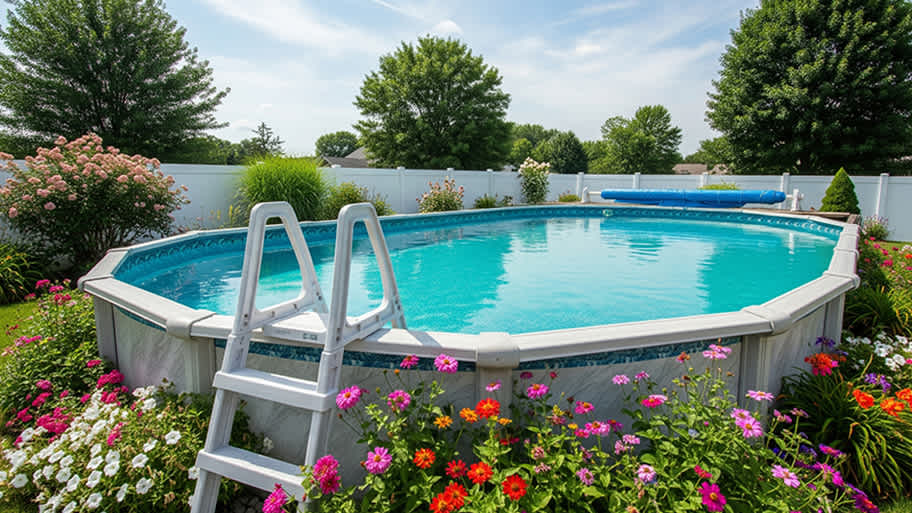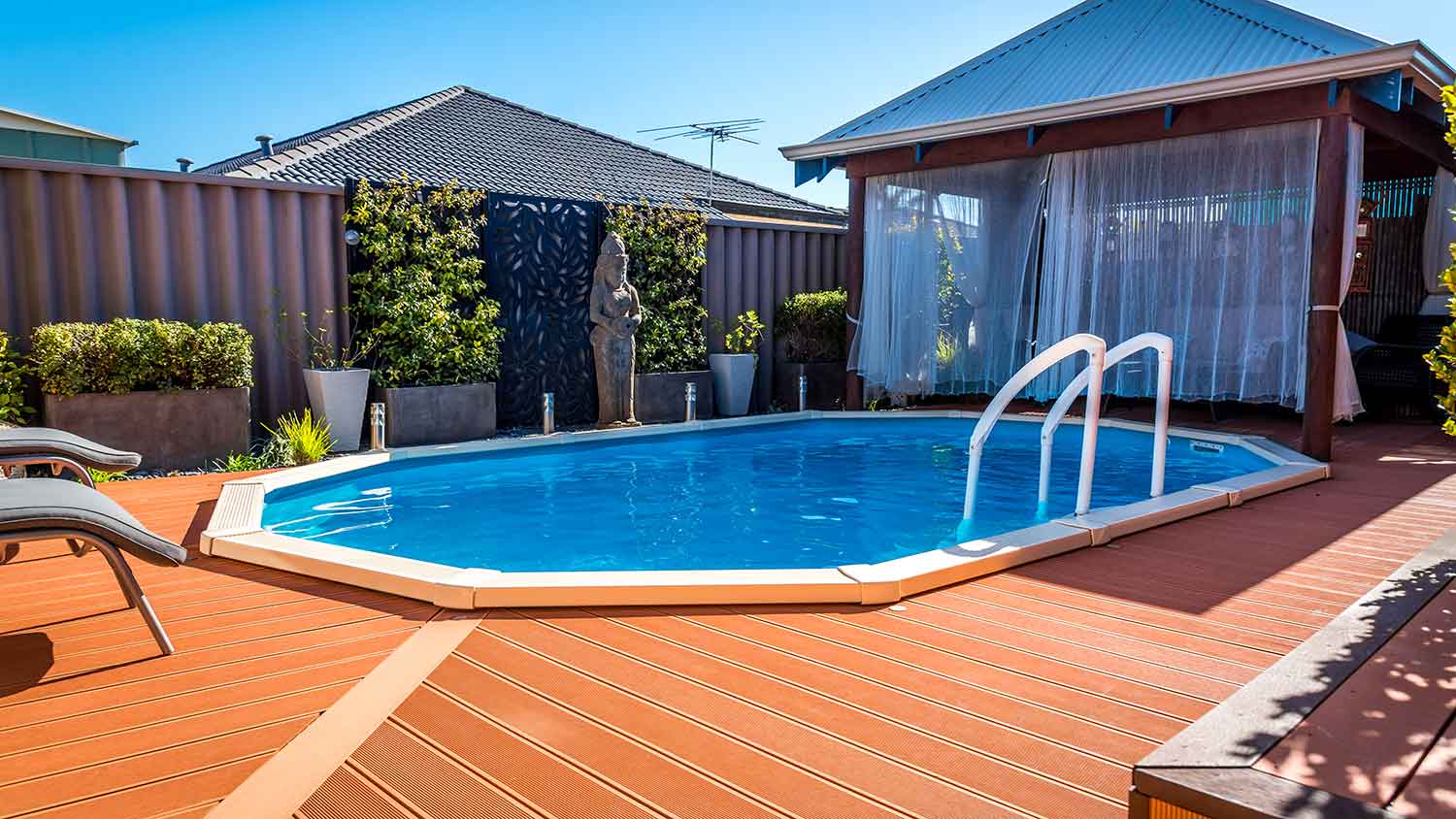






Top-rated above ground pool installation pros.

Get matched with top above ground pool installation pros in Lakeside, MT

Enter your zip and get matched with up to 5 pros

Need a pro for your above ground pool installation project in Lakeside, MT?

Select your specific project to find the pro for you.

Find Above ground pool installation pros in Lakeside

Avatar for American Home Shield – Home Warranty
American Home Shield – Home Warranty
3.5(
5,688
)
Above Ground Swimming Pool or Accessories - Repair or Service

Serving Lakeside, MT and surrounding areas

In business since 1971

Credit card accepted

"One oven doesn't work at all ( my choice, see above), the "working" oven was never calibrated properly so using it is hit or miss. It's time to call American Home Shield to see about replacing the entire unit. I'm waiting to finish other home projects before calling them. I don't know if I'll request Greenway again."
Additional Photos
Additional Photos
Additional Photos
Additional Photos
Additional Photos

+2

Recommended by65%of homeowners
Install Above Ground Pools questions, answered by experts

Yes, pool pumps use a significant amount of electricity, making them one of the biggest energy consumers in a home. A pool pump can use up to three times as much electricity as a refrigerator. Typically, a residential pool pump consumes about 1 kilowatt-hour (kWh) for every hour it runs. Because pumps often need to run for about eight hours a day to properly filter the water, this can add up to an annual consumption of 3,000 to 5,000 kWh, which can cost between $480 and $800 per year based on average electricity rates.

The amount of electricity your pump uses depends on its size, energy efficiency, and daily run time. To lower your energy consumption, you can choose an energy-efficient or variable-speed pump, ensure it is correctly sized for your pool, and run it only for the minimum time required to keep the water clean.

No, shock and chlorine are not the same thing, though they are related and both are used for pool maintenance. Regular chlorine, often in the form of tablets, is a sanitizer used for routine, day-to-day maintenance to keep a steady chlorine level. Pool shock, however, is a highly concentrated dose of chlorine used periodically for a more intense cleaning. It rapidly raises chlorine levels to fix issues like cloudy water or algae growth and also eliminates chloramines, which are byproducts of regular chlorination. Because their purposes and concentrations differ, they are not interchangeable, and proper pool care typically requires using both.

When designing your dream pool, it's important to leave enough room for safe walkways, patios, and extras such as outdoor kitchens and fire pits. Your local building codes may specify the minimum space between your pool and your house, utility lines, and property line. In most cases, the area of the patio around the pool should be equal to or greater than the surface area of the pool.

The steps to fill a swimming pool will depend on your local building codes. However, it starts with draining the pool of all water using a submersible pump. Then your pro will lift the pool shell from the ground or break it into pieces for individual removal. The next step is filling the cavity with dirt and gravel and topping it with topsoil. Once a structural engineer deems the site safe, landscaping can start.

DIY is not recommended due to its complexity. Professional installation ensures proper fitting and longevity.

The Lakeside, MT homeowners’ guide to above ground pool installation services

From average costs to expert advice, get all the answers you need to get your job done.