"The tech was very knowledgeable and went above and beyond to satisfy us. Our faucet was broken would not attach to the sink as the copper seal broke to the water lines."
"One oven doesn't work at all ( my choice, see above), the "working" oven was never calibrated properly so using it is hit or miss. It's time to call American Home Shield to see about replacing the entire unit. I'm waiting to finish other home projects before calling them. I don't know if I'll request Greenway again."
Install Above Ground Pools questions, answered by experts
The steps to fill a swimming pool will depend on your local building codes. However, it starts with draining the pool of all water using a submersible pump. Then your pro will lift the pool shell from the ground or break it into pieces for individual removal. The next step is filling the cavity with dirt and gravel and topping it with topsoil. Once a structural engineer deems the site safe, landscaping can start.
Rectangular pools, particularly those made of vinyl or fiberglass, are the easiest to maintain. The long, straight sides, right angles, and smoother surface make regular cleaning a breeze without having to maneuver into curves and nooks. Rectangular pools also tend to be standard sizes, so you may have an easier time when it comes time to replace liners, covers, and other parts.
Yes, you will need to shock your pool with high levels of chlorine or bromine when you first fill it to kill off bacteria and pathogens. You’ll need to wait for the chlorine concentration to come back down to a safe level before swimming. After that, you can test and maintain the chlorine and other levels as normal. The only exception to this is if you get pool water delivered by a professional. In that case, the water might come pretreated, so you might not need to shock it.
Certain pools serve as a middle ground between traditional swimming pools and hot tubs. The two main options are plunge pools and swim spas. A plunge pool (or cocktail pool) is smaller, but you can add spa-like elements such as heating and jets. A swim spa is more similar to a hot tub, but it produces a current that allows you to swim in place (similar to how a treadmill lets you run in place).
The process involves selecting a site, preparing the ground, setting up a supportive frame, and securely installing the liner and water filtration system.
The Conrad, MT homeowners’ guide to above ground pool installation services
From average costs to expert advice, get all the answers you need to get your job done.
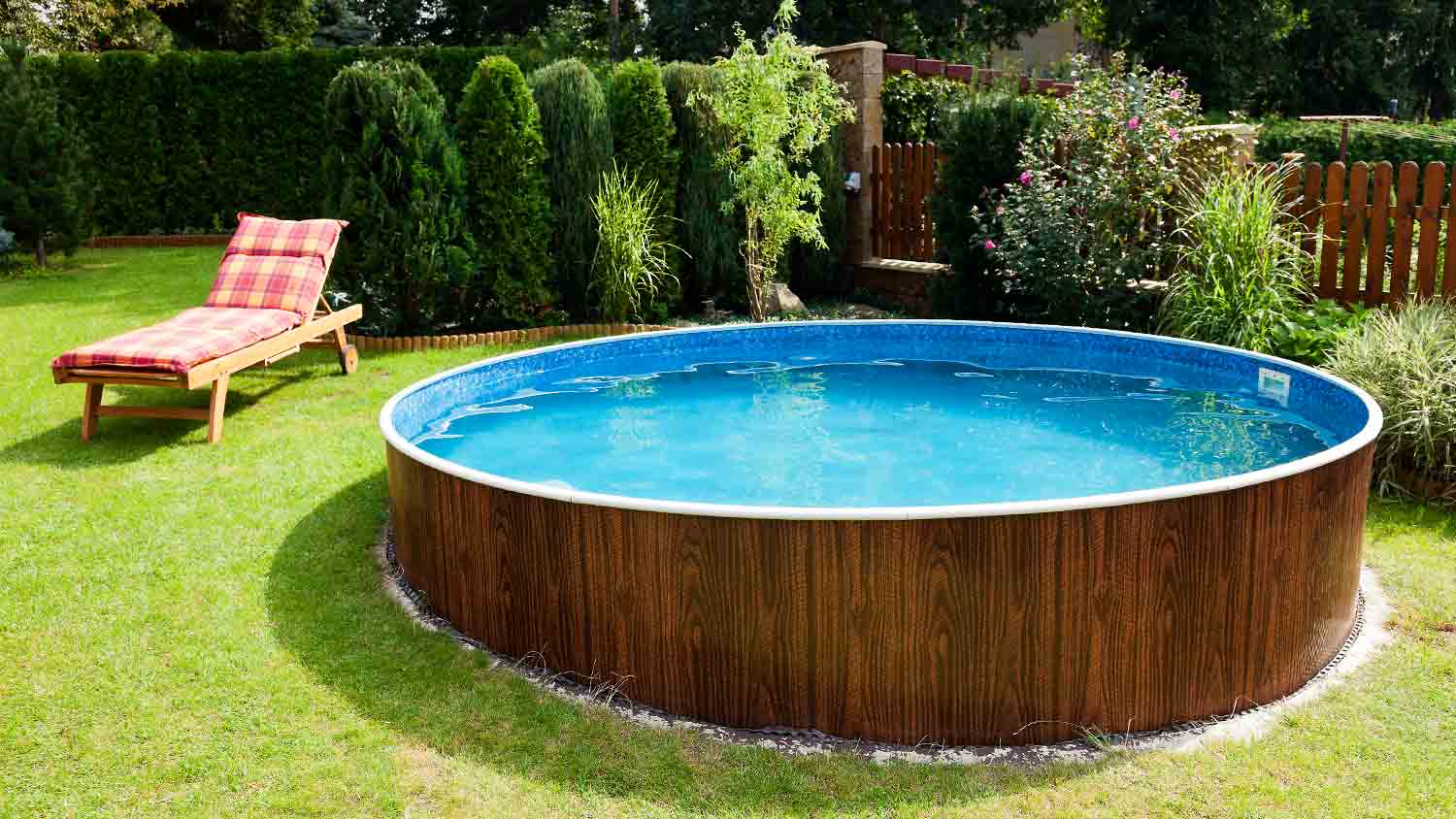
Above ground pools are more affordable than inground pools, so can you put an above ground pool in the ground to save money? Learn when it’s safe to do so.