

•
Find out the average pool pump repair cost, key price factors, and ways to save. Get expert tips to budget for your pool pump repair.
Pool construction and installation costs depend on your project and location. Check with a local pro for your specific job.

Pool pump replacement costs between $700 and $4,000 depending on your pump type, pool size, and brand selection.
The horsepower you need and the flow rate of your pool determine which pump fits your system without overworking the filter.
You should account for excavation fees between $100 and $200 for underground installations and timer installation costs between $50 and $100.
Hiring a local pool repair professional prevents water chemical imbalances, clogs, and algae growth caused by improper pool pump installation.
In 2026, the national average cost for a pool pump replacement is $1,300. Most homeowners spend between $700 and $4,000, with your final cost driven by pump type, pool size, and brand. You should also budget for excavation fees between $100 and $200 for underground installations, and timer installation costs between $50 and $100.
The type of pump you choose is one of the largest cost factors, with unit costs ranging between $300 and $2,500 depending on your pool size and needs. Rather than defaulting to the least expensive option, consider which pump is the best fit for your pool. A variable-speed, medium-head pump is the top recommendation because it saves money on both installation and electricity bills over time. The table below breaks down average price ranges by pump type:

| Pump Type | Average Cost Range in 2026 | Best For |
|---|---|---|
| Low-head | $250–$1,600 | Pools with water features that need a secondary pump |
| Medium-head | $400–$2,500 | Standard-sized swimming pools |
| High-head | $1,250–$4,000+ | Pools and spas with large water features |
| Single-speed | $250–$1,000 | Pools with water features that need a secondary pump |
| Dual-speed | $300–$1,600 | Two settings for standard pool |
| Variable-speed | $800–$2,500 | Fully adjustable speed to maximize energy efficiency |
| Solar | $500–$3,000 | Low maintenance and no electricity cost |
Smaller pools up to 10,000 gallons need only 0.5 horsepower and cost $160 to $250, while pools in the 20,000 to 30,000-gallon range require a 1.5 horsepower pump and cost $200 to $3,300. The number of water features in your pool can also influence which horsepower rating you need. The table below shows average pump costs by pool volume and horsepower:
| Pool Volume (gallons) | Pump Size (Horsepower) | Average Pump Cost in 2026 |
|---|---|---|
| 5,800–10,800 | 0.25 | $160–$250 |
| 10,200–16,500 | 0.50 | $200–$1,900 |
| 16,500–30,000 | 1 | $200–$2,260 |
| 21,700–30,000 | 1.5 | $200–$3,300 |
In addition to the horsepower, take note of your pool's flow rate. To figure this out, take your pool volume in gallons and divide it by the number of hours you expect to run the pump daily (usually eight to 10 hours). Divide that by 60 to figure out the gallons per minute, or GPM.
When choosing a pump, make sure that it not only has the right horsepower for your pool but that it also has the right flow rate.
| Pool Volume (Gallons) | Turnover (Hours) | Minimum Flow Rate (GPM) |
|---|---|---|
| 18,000 | 8 | 38 |
| 24,000 | 8 | 50 |
| 35,000 | 8 | 73 |
Pool pump installation labor costs depend on the scope of the job.
Replacing an old pump with the same brand, horsepower, and type: $200
Different brand with rewiring or new pipes: $280–$500
New pool installation labor: $100–$400
Beyond pump type and size, several additional factors shape your total budget for a pool pump replacement. Brand, excavation, water features, warranties, and add-on components can all affect the final price. Reviewing each of these cost factors before you buy helps you avoid surprises and choose the right setup for your pool.
Higher-end pool pump brands can cost 80% more than standard models, with the price difference reflecting quality materials like stainless steel or aluminum motor housing and high-quality plastic pump housing. Common options in the mid-range include models with self-priming functions, clear skimmer basket lids, and fan-cooled motors that extend the pump's lifespan. Premium models add programmable controls, phone app integration, and quieter motors, making them easier to live with over the long term.
Whether your pool is in-ground or aboveground, the pump itself costs $400 to $3,500 for either type. Most homeowners with in-ground pools opt for an underground pump installation, which can add $100 to $200 in excavation costs if the space hasn't already been dug out. Factor in this potential extra cost when budgeting for an in-ground pump setup.
In-ground pools with water features require a second pump, adding $250 to $1,600 to your total cost. The price stays on the lower end because water features like small waterfalls only need a low-head, single-speed pump. Saltwater pools don't require a special pump, but choosing one with a plastic outer casing rather than metal is a smart move since metal corrodes faster when exposed to salt.
If your pump doesn't include an integrated timer, installing one costs $50 to $100 and is worth the investment since it lets you control electricity usage without manually switching the pump on and off each day. Analog, digital, and smart timers are all available options. A digital or smart timer offers the most convenience, with smart models allowing control directly from a phone app.
The pool motor is the most likely component to burn out because it works the hardest to turn over water, and replacing it costs around $500 on average. Most motors run between $200 and $800 depending on the pump type and size.
Some motors can cost as much as $2,000 to replace, which is a strong signal that full pump replacement may be the smarter financial choice.
A pool warranty that covers pump replacement can add $100 to $200 per year as an add-on to your home warranty, and it's worth considering given how costly pool components can be. Extended warranties offer the best coverage and can offset the expense of unexpected repairs or replacements.
The pump itself may also carry its own manufacturer warranty, typically including a 90-day full replacement guarantee and a year of parts coverage. Paying a little more for a brand with a stronger warranty package is often a worthwhile investment.
Since pumps and filters work together, it's common to replace them at the same time, and a new pool filter installation costs between $250 and $2,000 depending on the filter type. The three main options are sand filters, DE filters, and cartridge filters. Whichever type you choose, make sure it's sized correctly for your pump — a mismatched filter leads to poor water quality and inconsistent chemical levels.

Utility bills, routine maintenance, and periodic component upkeep all add to your total cost of owning a pool pump. Reviewing these expenses in advance gives you a realistic picture of what you'll spend each season.
Running a pool pump requires significant electricity unless you go with the solar option. Luckily, there is a way to get a rough estimate of your monthly cost to run a pool pump:
Find your pump's voltage and amperage rating and multiply the two numbers.
Divide that number by 1,000.
Multiply by the number of hours you expect to run the pump in a day.
Multiply by the cost per kilowatt-hour (kWh) for your area. The national average cost per kWh is slightly under $0.17. This gives you an estimated total price per day to run your pool pump.
To extend the pump’s life span and save on electricity costs, avoid running the pool pump for longer than necessary. On average, it’s best to run the pump 8 to 10 hours a day, or less during the off-season.

Pool maintenance costs average $30 to $260 per month, covering cleaning and upkeep of all vital pool components, including your pump. Hiring a professional service means your pump gets routinely inspected, cleaned, and repaired before small issues become costly ones. As the cost of repairing a pool is always more manageable when problems are caught early, preventative maintenance is a sound investment.
Make sure you close and open your pool properly every season. Doing so will help your pump last longer. In particular, when opening your pool, you need to prime your pump and filter. And when you're closing your pool, ensure all water is properly drained. Be sure to store the unit indoors while not in use.
A new pool pump installation ranges from $700 to $6,000, but repairing your existing pump is sometimes the more affordable path. Minor issues like a clogged impeller or small leaks can often be fixed for less—replacing a pump bearing, for example, costs $65 to $300.
A new pump motor runs $250 to $2,000, so if repair costs exceed 50% of the price of a new pump, replacement is the smarter financial decision. Significant motor or housing damage and recurring problems after a prior repair are clear signs that replacement is the better option.
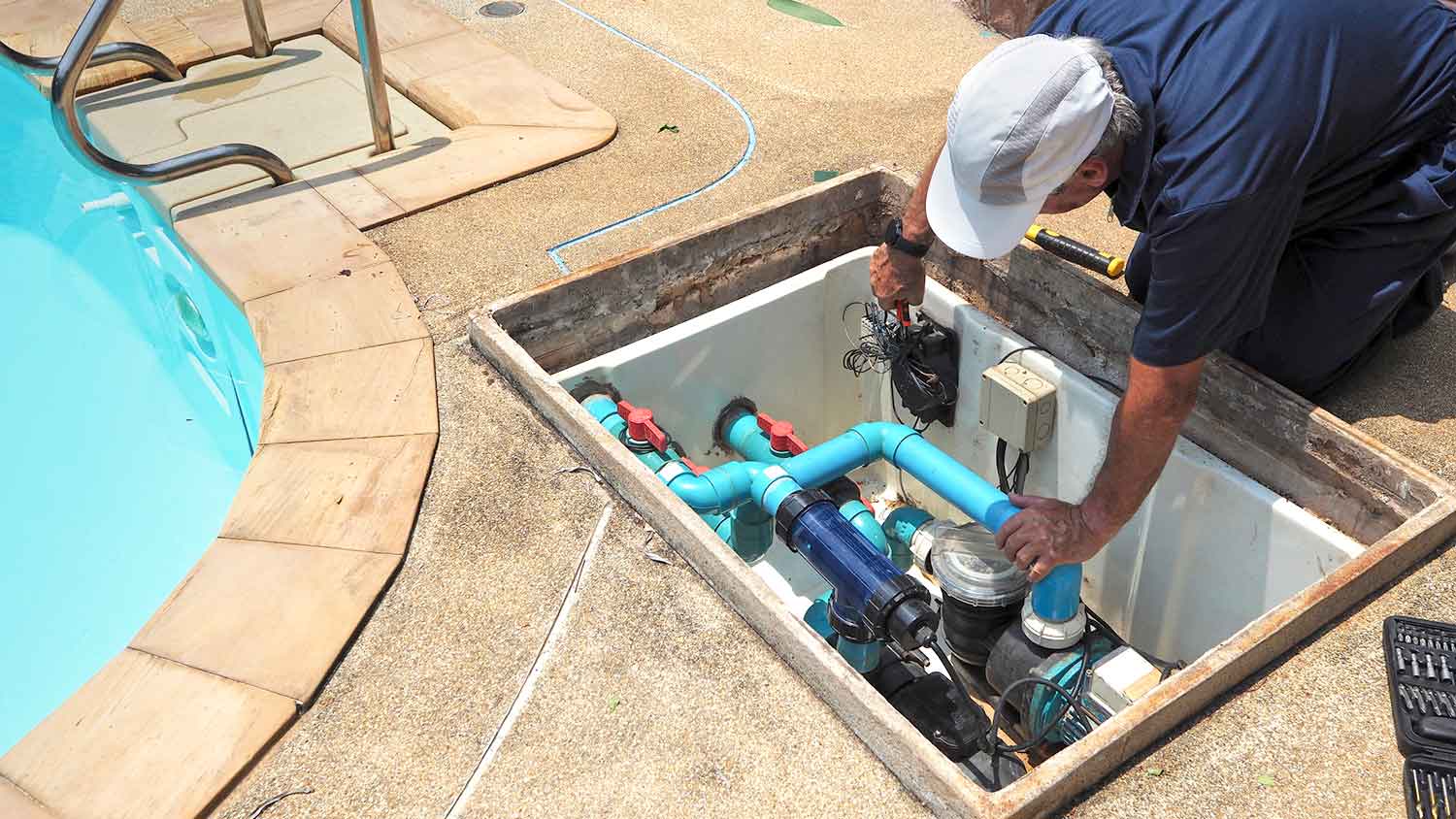
Hiring a pool repair professional near you to install a new pump costs $200 to $500 for labor. Improper installation can cause water chemical imbalances, clogs, and algae growth, making professional installation the safer choice. A qualified pro brings the expertise and tools needed to get the job done right the first time.
Installing or repairing a pool pump is a complex task that can pose potential risks of injury, so here’s why you should hire a pro:
Professionals have the expertise to safely repair or install a pool pump, avoiding the risk of injury, such as electrical shock.
Pros have the skillset to quickly identify the issue with the pump and advise whether to repair or replace it.
Pool pros will have the necessary tools and equipment to do the job right.
Many professionals offer warranties on their work and parts, which can help protect you from unexpected costs later.
Incorrect repairs or installation can cause insufficient operation, which is why it’s best to leave this task to the pros.
A pool pump can get pretty pricey, but there are a few ways you can cut costs when it comes time to install one.
Look for Energy Star-certified options: The best way to save on the price of a pool pump is by investing in an Energy Star-certified variable-speed pump. Although your up-front costs will be much higher than a dual-speed pump, you’ll save a lot of money on utility bills in the long run. Certified in-ground pumps can help you save $300 or more annually, while a certified aboveground pump could save you $115 or more during its life span.
Bundle with a pool filter: You can save money on your pool pump installation costs by bundling it with your pool filter installation. Since the two components work together, it makes sense to take care of any necessary upgrades or replacements at the same time.
Hire a reputable pro: It’s a good idea to do some research before hiring a pool repair service near you. Instead of just focusing on the dollar amount of the quote, do your research and check their reviews. Also, it’s useful to find out if a company’s quotes are all-inclusive, or if there are additional fees you need to consider.
Check for rebates: There may be federal tax credits for solar pumps, or local energy companies may offer rebates for people who upgrade to Energy Star-certified variable-speed pumps. Check the fine print to ensure you qualify, as you may need to employ contractors from a preapproved list.
Before hiring a pool professional, verify they are licensed, bonded, and insured.
Ask your pool pro whether they recommend repairing or replacing the pool pump based on budget and condition.
Inquire about their estimated timeframe for completing the process.
If you have additional room in your budget, you can discuss add-ons with your pro, such as a pool heater or in-pool lighting.
Home is the most important place on earth, which is why Angi has helped more than 150 million homeowners transform their houses into homes they adore. To help homeowners with their next project, Angi provides readers with the most accurate cost data and upholds strict editorial standards. We extensively research project costs to develop the pricing data you see, so you can make the best decisions for you and your home. We rely on reputable sources, including the U.S. Bureau of Labor Statistics, academic journals, market studies, and interviews with industry experts—all to ensure our prices reflect real-world projects.
Want to help us improve our cost data? Send us a recent project quote to [email protected]. Quotes and personal information will not be shared publicly.
If you’re good people wanting to do business with good people, hire Matt. He is a consummate professional and utterly competent. He installed a water heater in my home at a price that beat competitors by hundreds of dollars with a promise to support the unit for its life (even after its 6 yr...
 Greene's Plumbing Services
Joseph did a great job with the staircase and trim. Timely and efficient, clear communication about the work, very fair pricing. For the stairs in particular, done very skillfully in an old house (1893) in a tight spiral, and very creative with how to do the handrail. Did a nice job with...
 Vouis Trim Carpentry L.L.C.
This company does it right. Firstly, I want to say that Landan was a joy to work with. He was so kind, transparent, and had everything under control. His entire team showed up ready to work and they were all very respectful of the fact that we were in an office space. A little backstory – we...
 Krumlauf Floors
Professional Team, smooth to communication chain and schedule flexibility. Follows proper construction procedure and completes task on time.
 Pegasus Concrete
Very professional, knowledgeable and helpful! Completed the install on time and as expected.
 Ward's Services
Cole has been handling plumbing and general contracting for our four properties over the past three years, and he’s always done a great job. Most recently, he installed a sink and countertop in our retail store where none existed before, and it turned out exactly how we needed. He’s...
 ANB Renovations LLC
Excellent, Prompt, Courteous Service!!! They were super friendly and quite personable. I felt very comfortable with the gentlemen that did the installation. They installed it exactly where I asked them to and they did an excellent job!! I loved their service so much.
 Tether House
I hired windows depot USA of central to install new windows in house in Oshawa. Ilya was very professional from the start, not only did he offered a great price, he also made sure the installation was on time. I am very satisfied with final outcome. The windows look great and the overall...
 Window Depot USA of Central Ohio
The guys did an outstanding job and we had a great experience with CarifaTile. I appreciated that Joe reviewed the quotes with me and set expectations prior to the install. The crews showed up as scheduled and always left the areas clean upon leaving the house. We will definitely use...
 CarifaTile
Did an amazing job transforming my yard. Also installed sod in places, would recommend to everyone.
 Cardinal Landscaping & Construction LLC
From average costs to expert advice, get all the answers you need to get your job done.
Find out the average pool pump repair cost, key price factors, and ways to save. Get expert tips to budget for your pool pump repair.
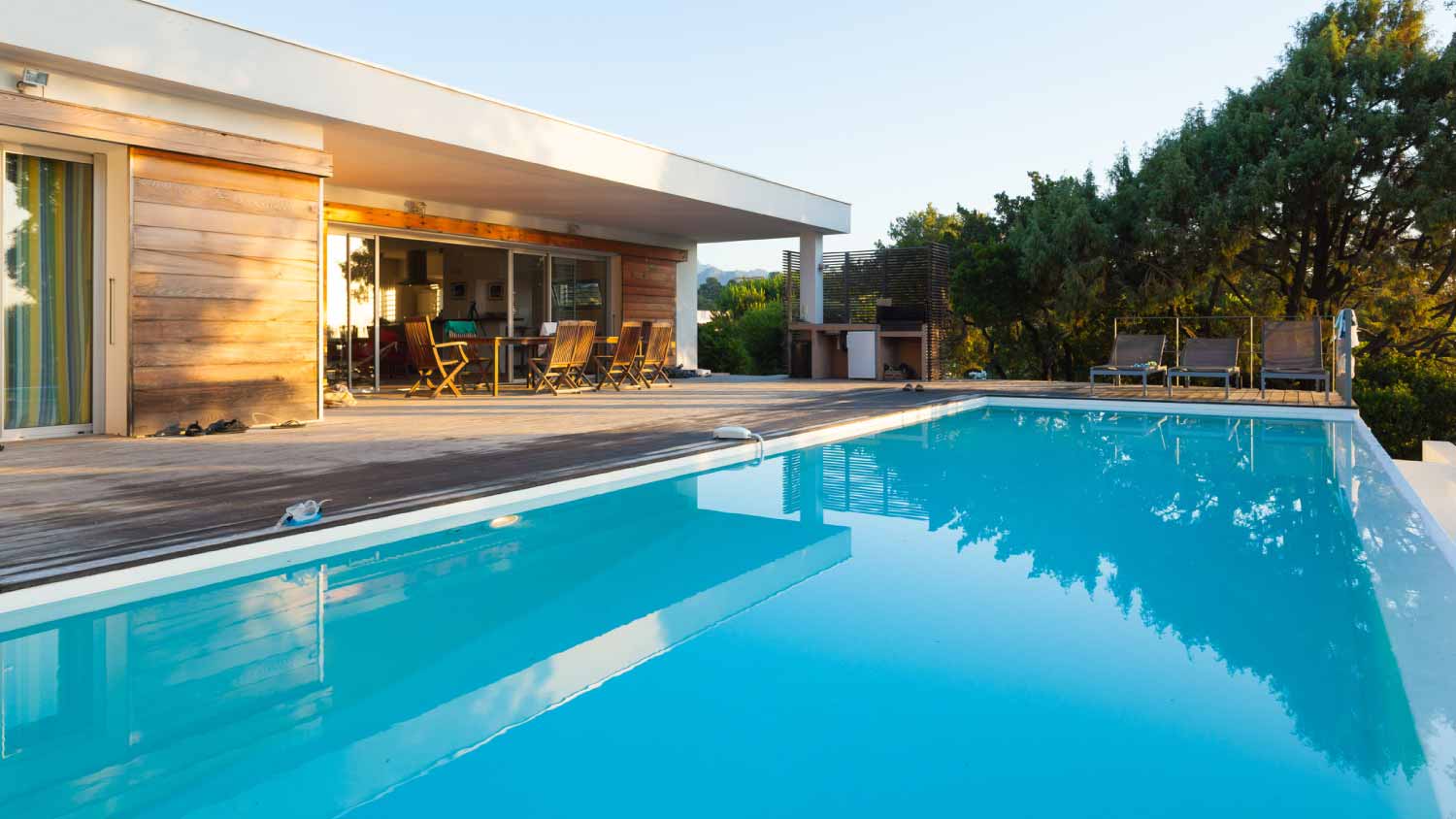
How much does a pool cost per month in electricity? Pools use more energy than most home appliances, but you can invest in energy-efficient equipment to reduce costs.
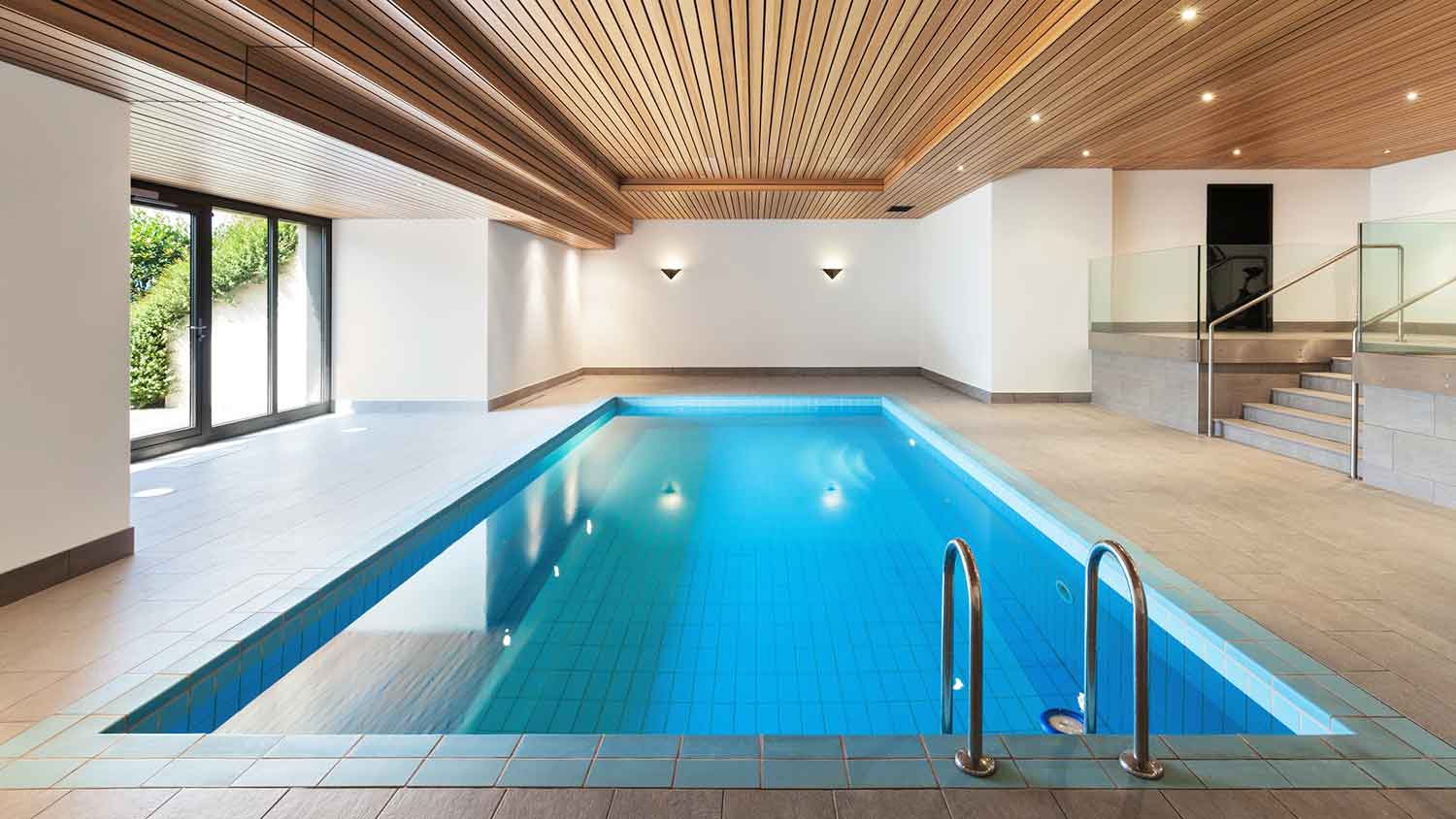
Many factors affect indoor pool costs. From different types and shapes to installation and maintenance, here’s what to consider when pricing out your project.

How long should you run your pool pump for the cleanest pool? We’ve got the answer, plus details on how to calculate run time.
You can expect to pay $30 to $150 a month to circulate water through your pool. This guide will break down the cost to run a pool pump.
From rumbling sounds to leaky valves, you may be asking yourself: why is my pool pump not working? Here's how to troubleshoot pool pump issues.