"Well. Only problem was delay in response time after claim was filed online. Water tank started leaking Thanksgiving morning and no reply until I called the Regional Manager."
"Takes for ever to get a return a call. Also took a week to get someone out for repairs. They said they would reimburse me for septic repairs and it took over 3 months for that to happen."
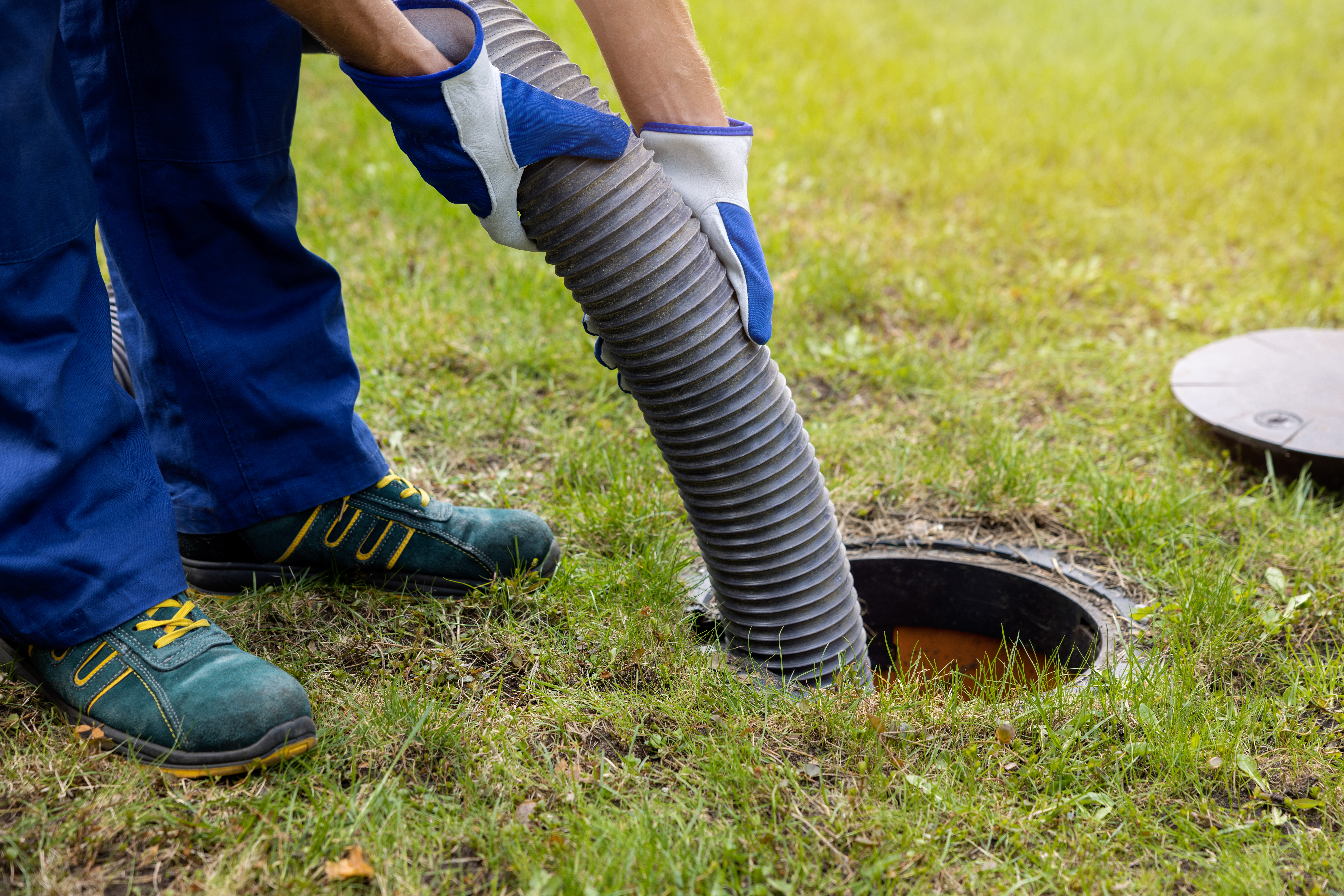
While homeowners connected to a municipal sewer line still have to keep up with plumbing maintenance, the downside to a septic system is that all the maintenance falls on the homeowners. Not calling in a pro to pump the tank every few years or accidentally flushing or draining the wrong types of materials can quickly cause clogs, which can back up into drains around the home.
Your septic tank naturally contains the good bacteria it needs, so you typically don't have to add more as the system produces them on its own. However, if you wish to replenish the bacteria, you can use natural methods. For example, you can add three rotten tomatoes to your garbage disposal or flush 1/4 ounce of active yeast down the toilet every three months. While store-bought septic enzymes and chemicals are available, many additives are unnecessary and may even harm your system. The most effective way to maintain a healthy bacterial balance is to avoid using chemical drain cleaners, which can kill the beneficial bacteria in your tank.
The cost of sump pump installation varies depending on factors like the type of sump pump, labor rates, and the complexity of the installation. On average, you can expect to pay around $1,200 for a standard sump pump install. However, the cost may be higher if additional features like a backup system or extensive drainage work are required.
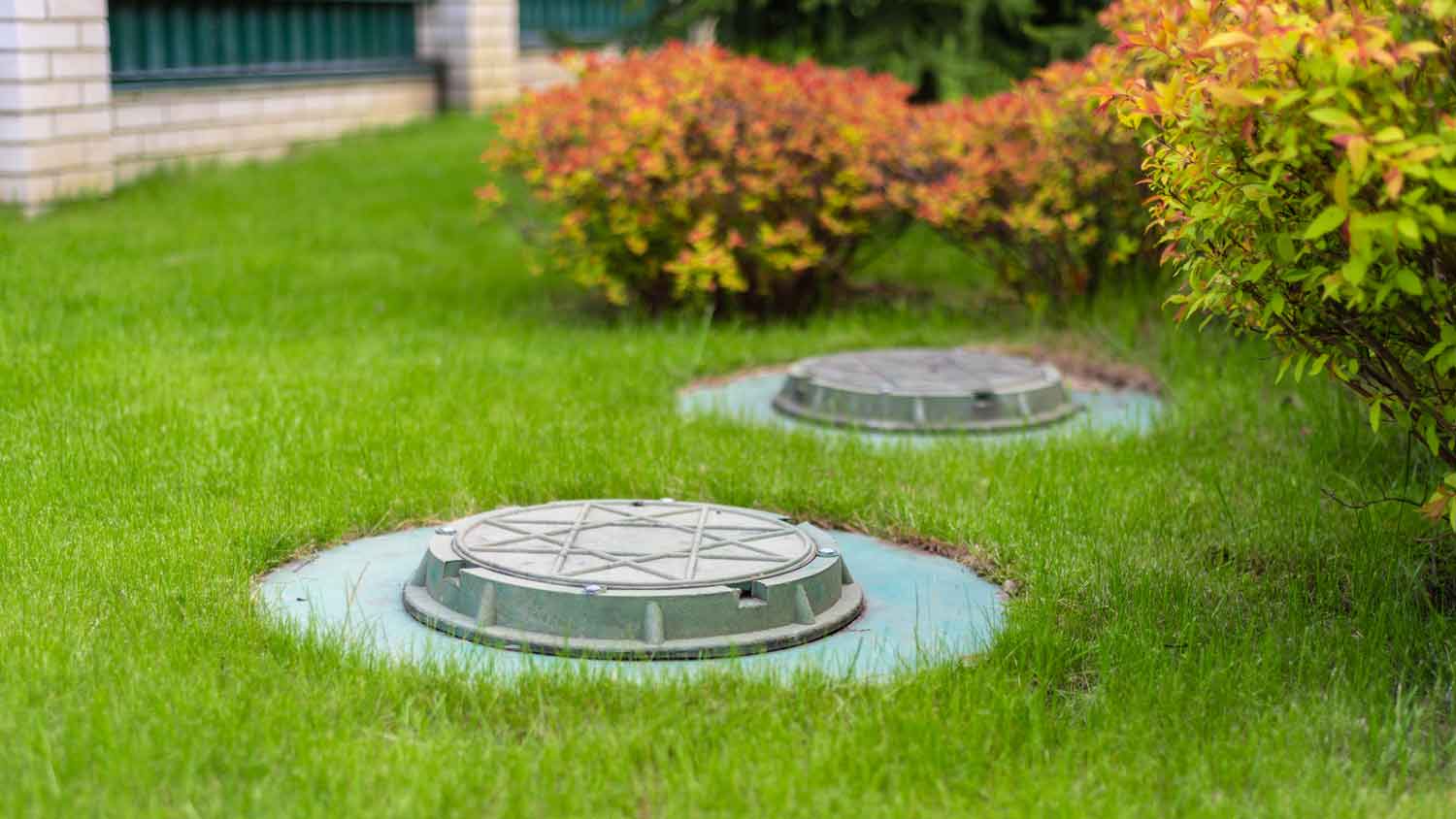
Ensuring you have adequate space for your engineered septic system is crucial. You’ll need to reserve approximately 900 square feet for a three-bedroom home’s system. However, the type of soil you have, soil absorption rate, the size of your home, climate, and local zoning code will impact the actual amount of space you need.
Depending on local conditions, a deep well may be a better choice than a shallow well. Deeper well depth accesses groundwater that has been naturally filtered through many layers of soil and rock. This reduces surface contaminants and may offer cleaner water, but deep wells cost more money to build and maintain. The water may be harder and have higher radioactivity, too.
The Circle, MT homeowners’ guide to septic tank services
From average costs to expert advice, get all the answers you need to get your job done.
It’s crucial to install a septic tank with the right volume to avoid wastewater backups. This guide will help you calculate the right septic tank volume.
Septic tank sizes vary depending on the size of your home, how many people live there, how much water you use, and more. Read on to learn how to determine the right size for you.