We take great pride in our experience, expertise, quality, and customer service that we provide to meet the consumer's custom needs. It is our mission to provide excellent workmanship and complete customer satisfaction from start to completion of a project. In order to understand the needs and expectations of our customers, we take great care to work and communicate with every customer in a professional manner. Our reputation is based on service, safety, and quality, regardless of how large or small the job.\n
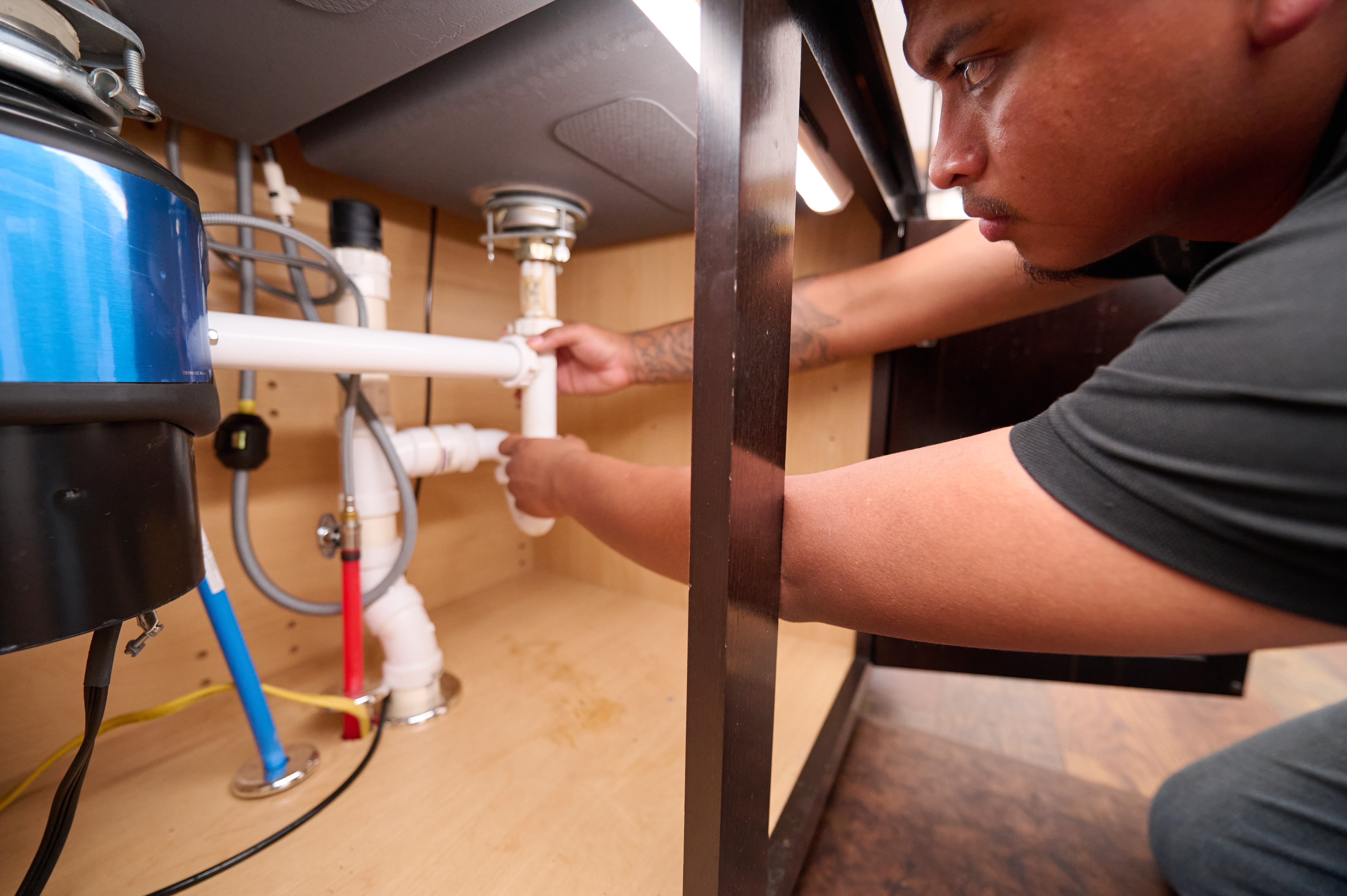
Handypeople usually don’t hold trade licenses, so they typically aren’t qualified to tackle projects involving installing or making alterations to plumbing or electrical lines. Below are some jobs that a handyperson usually won’t be able to complete:
Installing plumbing for a new kitchen or bathroom
Replacing plumbing pipes
Installing or repairing septic systems
Running new electrical wiring
Installing a subpanel
A big resounding yes, hiring a contractor is 100% worth it. They bring expertise, manage permits, coordinate professions in different trades, and help avoid costly mistakes. A pro can keep your project on budget and schedule while ensuring quality work that adds value to your home.
The cost to hire a handyman can vary, with most charging on a per-hour or per-project basis. On average, expect to pay between $50 and $150 per hour, with a typical rate around $90 per hour. For project-based work, the average cost is about $400, though the total can range from as low as $180 to $1,500 or more. Some handypeople may also require a minimum flat rate, such as payment for two hours of work.
Several factors influence the final cost, including:
The type, size, difficulty, and complexity of the job
The amount of time the work takes
The handyman's experience level
Your geographic location
The cost of materials and any necessary permits
Accessibility of the work area and potential travel costs
Additionally, you may encounter higher rates or extra fees for emergency services or work scheduled during holidays.
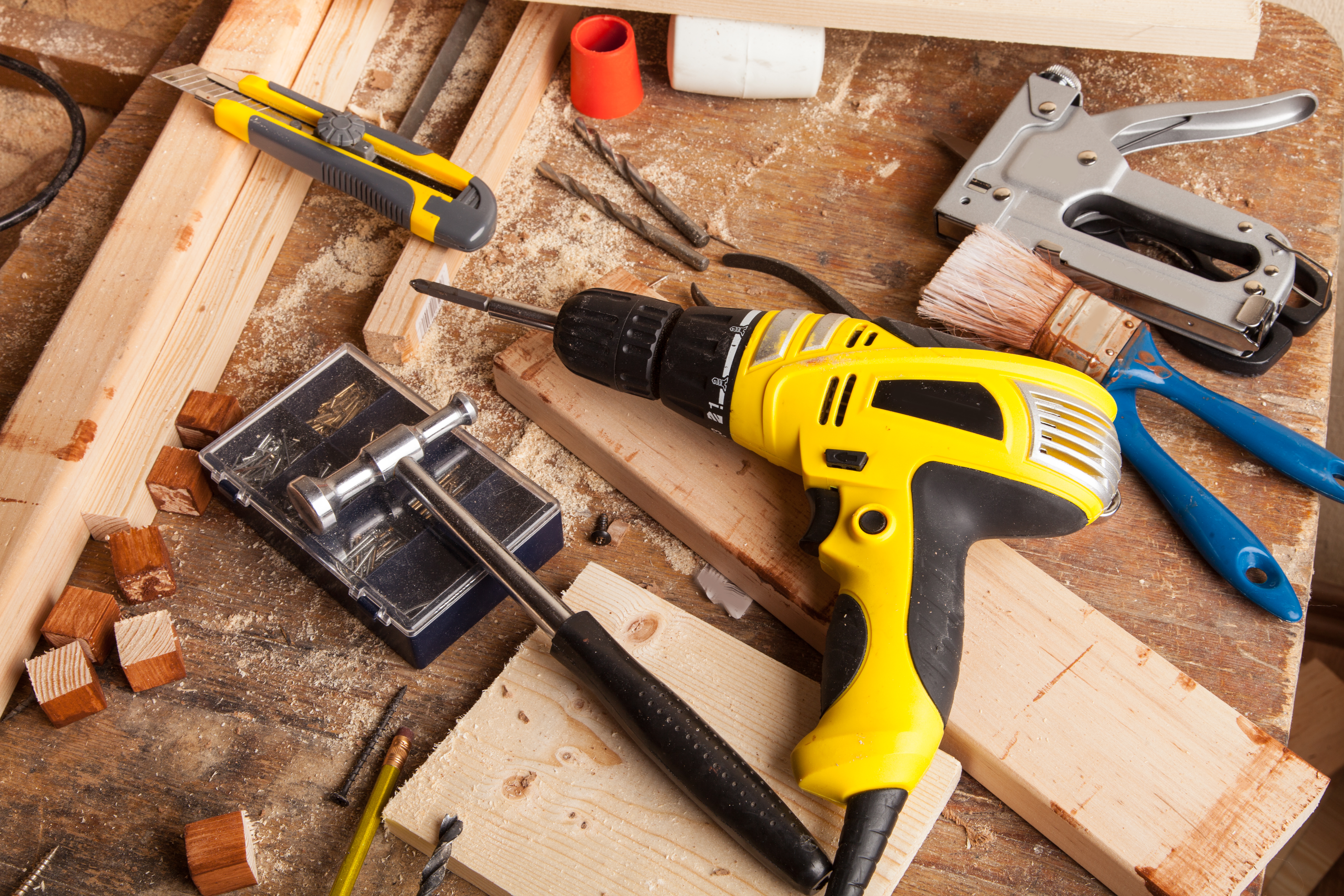
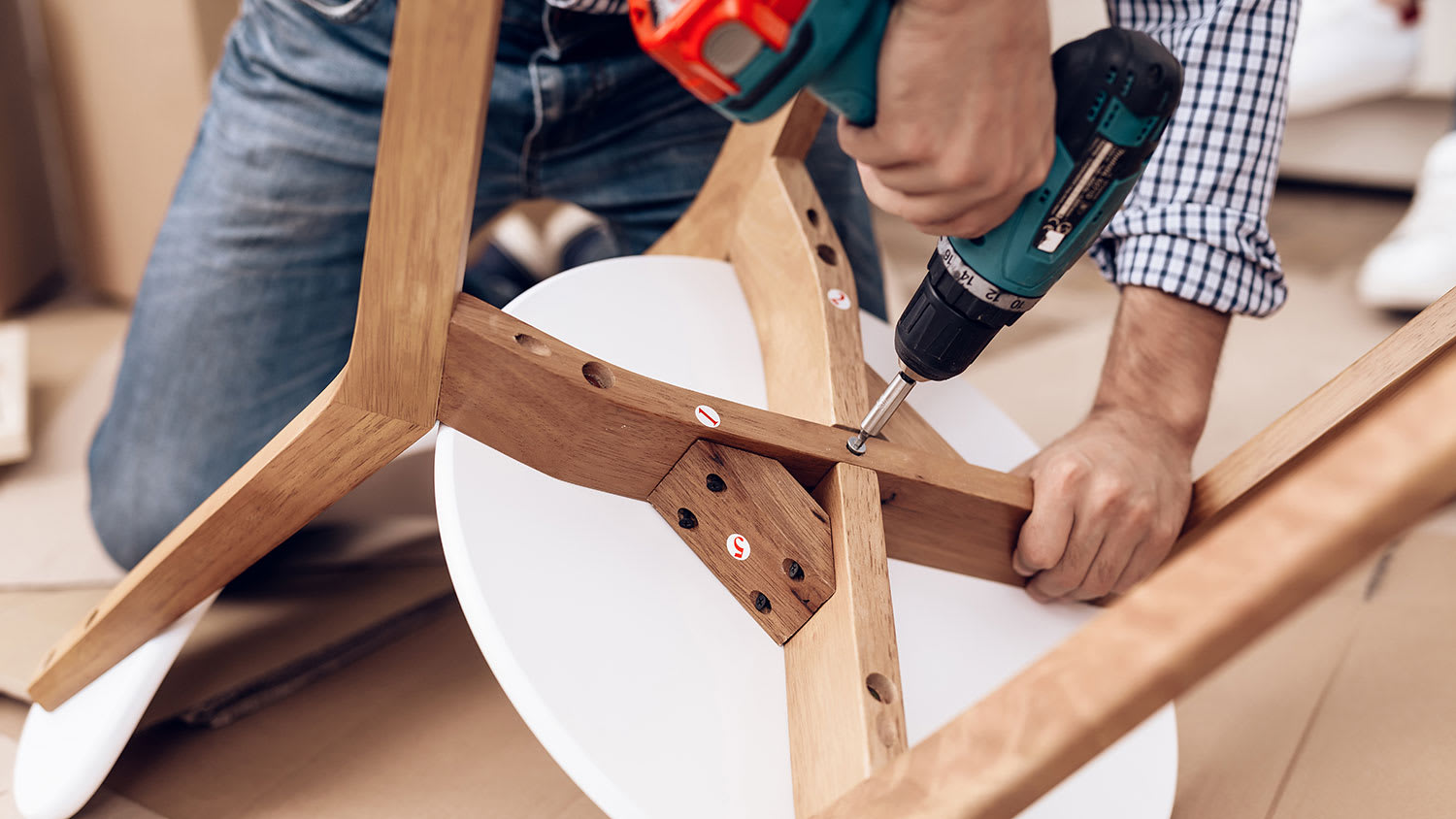
A handyperson can perform a wide variety of home improvement and repair projects. Common jobs include painting, cleaning gutters, assembling new furniture, and replacing fixtures like cabinets or lights. They can also handle more complex tasks such as installing a dishwasher, fixing minor plumbing leaks, refinishing wood floors, and replacing doors. Generally, a handyperson is ideal for any project that does not require a specific license or certification, such as those related to major plumbing, electrical, or structural work, which should be handled by a licensed tradesperson.
Yes, you can use a dremel tool to cut plexiglass. Follow the instructions under “How to Cut Plexiglass with a Saw,” and use a dremel tool with a 561 bit instead of a saw.
The Circle, MT homeowners’ guide to handyman services
From average costs to expert advice, get all the answers you need to get your job done.
Hiring the right handyperson can save you time and even money. Here are the best tips for hiring any home project, plus interview questions for a handyperson.
What does a handyperson do? Learn about common tasks and why you should hire a handyperson for your interior and exterior updates, repairs, and maintenance.