



Top-rated excavation pros.

Get matched with top excavation pros in Milan, MO

Enter your zip and get matched with up to 5 pros

Need a pro for your excavation project in Milan, MO?

Select your specific project to find the pro for you.

Find Excavation pros in Milan

Avatar for Home Remodel and Repair
Home Remodel and Repair
5.0(
10
)

Serving Milan, MO and surrounding areas

In business since 2001

Small jobs welcome

"Having been in the industry my whole life, I've never dealt with a more professional and thorough professional. He is very meticulous and clean, and works efficiently and fast!"
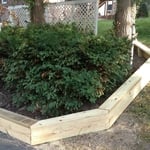
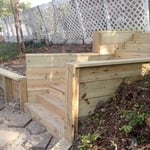
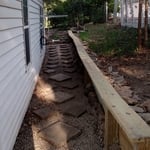
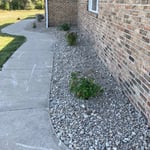
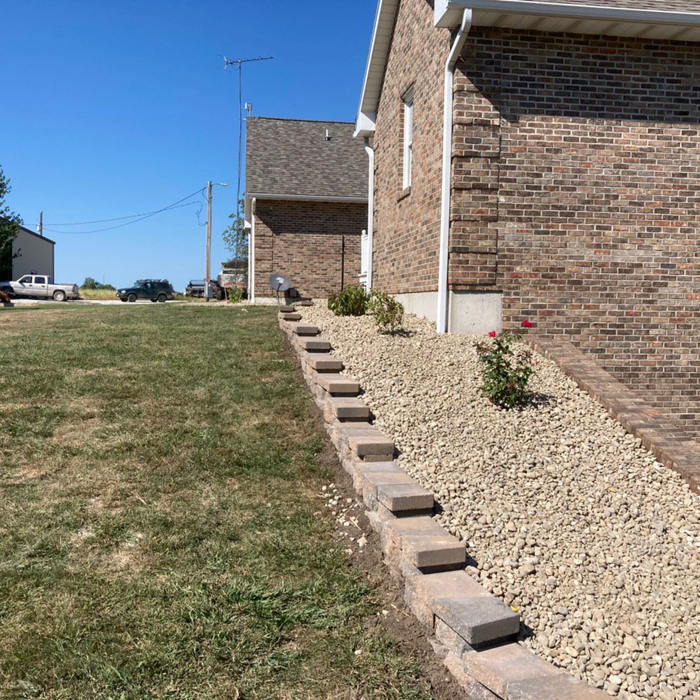
Rustic Flower bed
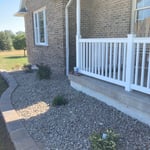
Steps with wrap around flower bed
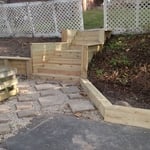
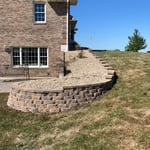
Steps and Retaining wall
Rustic Retaining wall

+1

Response time2 days
Recommended by100%of homeowners
Avatar for digmaters
digmaters
5.0(
3
)

Serving Milan, MO and surrounding areas

In business since 2023

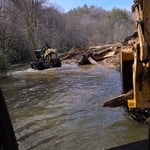
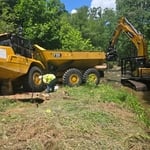
"Copper Creek did quality work at a very fair price. Communication was prompt and thorough and Kody was always professional and courteous. I They arrived when they said they would and completed the work in the time frame they had bid. I highly recommend Copper Creek and will be using them again in the future."
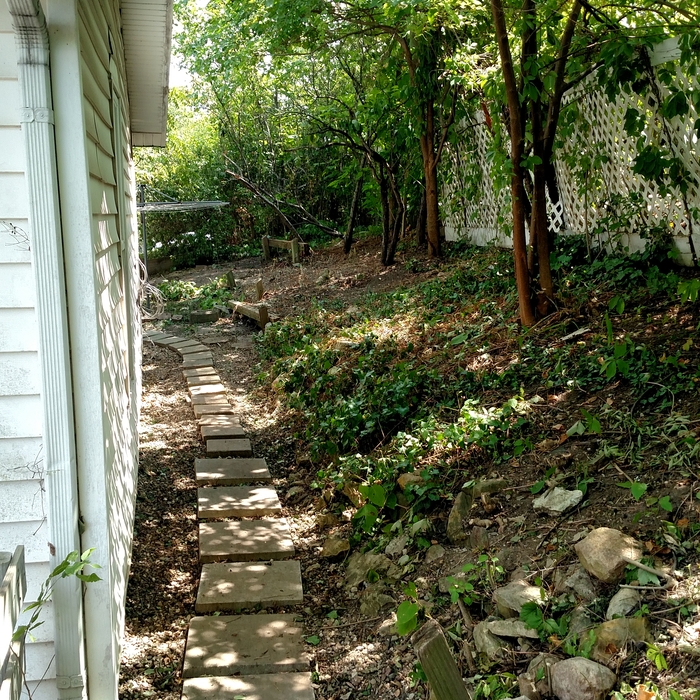
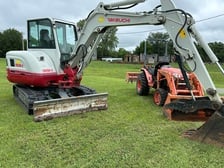
Additional Photos
Additional Photos
Additional Photos
Additional Photos
Additional Photos

+1

Recommended by100%of homeowners
Showing 1-10 of 24
Excavating questions, answered by experts

You can bury underground electrical wire six inches deep—but only if you use a rigid metal electrical conduit. For rigid, non-metallic conduits, bury the wire at least 12 inches deep. If using an underground feeder cable rated for direct burial, you'll need to place it at least 18 inches deep, as it has no conduit for extra protection.

A walk-behind trencher can cut through roots as long as they’re not too thick, making a project much easier than digging with a shovel and other hand tools. Assess your terrain and the number of trees in the surrounding area to determine if a walk-behind trencher will ease the job. Digging a trench by hand is much more time-consuming and labor-intensive. 

The digging depth will depend on the size of the trencher you use. Even smaller units can dig up to 4 feet deep, which is plenty for a DIY job. However, much larger trenchers can reach a depth of 18 feet and are better used by a team of pro contractors, not a single DIYer. As with all home improvement projects, use the right tool for the job and proceed with caution.

If you have a broken sprinkler pipe underground, there will be some signs you can easily spot to locate it and take action. These include leaks, water spouts, flooding, consistently damp areas on your lawn, low water pressure, and grass around the sprinkler head that’s taller and darker than anywhere else in the yard. 


If there are no obvious signs of a broken pipe, you can use tools such as water leak mics, leak noise loggers, audio devices that record leaks, and acoustic testing links. 

Broken pipes can lead to uneven watering, plant damage, and higher utility bills. The longer you wait to fix them the more the repair cost may be.

The best type of soil to build on is a mixture of sand and clay, known as loam soil. Loam soil has the best combination of these soil types to build a foundation on. The clay particles help with water retention, so it won’t erode like sandy soil might, and the sandy particles help with drainage, so you won’t see unsafe soil expansion or have an increased risk of leaks from water sitting against your foundation.

The Milan, MO homeowners’ guide to excavation services

From average costs to expert advice, get all the answers you need to get your job done.