






Top-rated excavation pros.

Get matched with top excavation pros in Clarence, MO

Enter your zip and get matched with up to 5 pros

Need a pro for your excavation project in Clarence, MO?

Select your specific project to find the pro for you.

Find Excavation pros in Clarence

Missouri Land Improvement
New to Angi
Landscape - Minor Grading or Resloping

Serving Clarence, MO and surrounding areas

Approved

Hello, I’m a local guy born and raised right here in Columbia. I’m available to do all kind of residential ground work from reshaping your property for proper drainage to clearing trees and overgrowth for better views. I focus on selective growth management in which I remove all scrubby trees and undergrowth to maximize the life of the wanted trees. I also clear large amounts of land. I install drainage systems for gutter and footings to get the water away from your house.

Avatar for Beer Land Management LLC
Beer Land Management LLC
5.0(
12
)
Landscape - Minor Grading or Resloping

Serving Clarence, MO and surrounding areas

In business since 2015

Free estimates

Credit card accepted

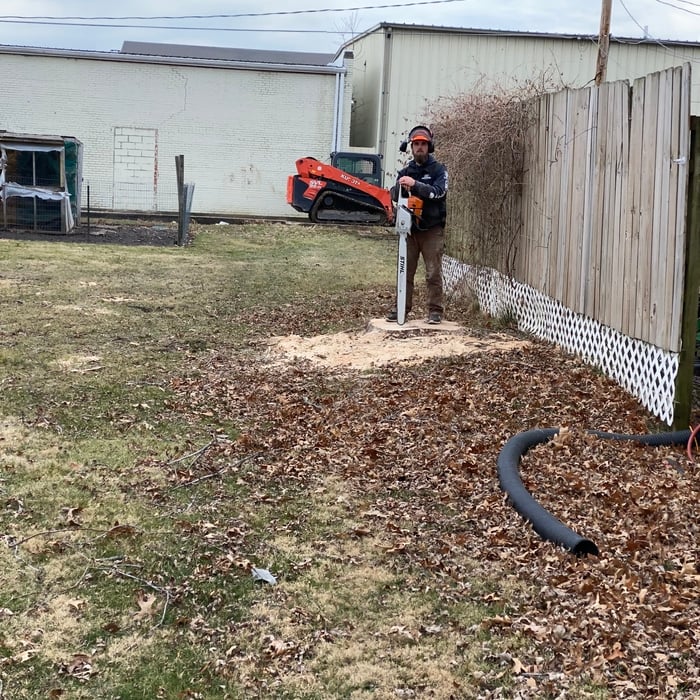
"Arrived at the agreed date and time. Did a great job of tree removal in close quarters. Also provided special handling on one tree per our request. Stumps remain to be removed but we expect that project to be completed in the next 2 weeks."
Beer Land Management
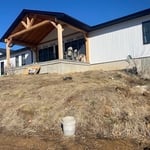
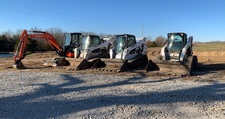
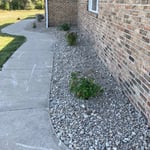
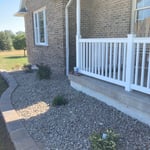
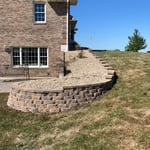
Cleaning up the Mess
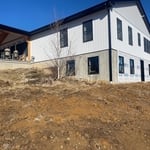
Removal of Mature Elm Monroe City, MO
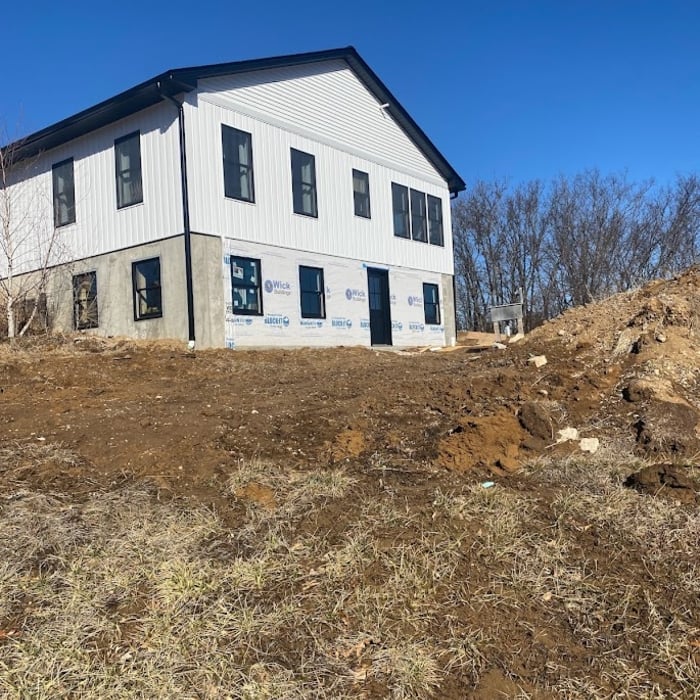
Long days finale Monroe City, MO

+7

Response time9 hrs
Recommended by100%of homeowners
Showing 1-10 of 31
Excavating questions, answered by experts

Most residential basements are 8 to 10 feet deep. You can dig deeper depending on building codes, but it does become more difficult. You’ll likely need to install stronger foundation walls and additional supports to handle the increased load. Depending on the water table, you may also need a water management system. Clay soil can support a deeper foundation than sandy soil. A structural engineer will be able to tell you the maximum, feasible depth.

Slab foundations are more affordable than crawl spaces because they require minimal excavation, as the slab sits directly on the ground or on footers that only sink a few feet into the ground. Crawl spaces require excavation of the entire footprint of the home to several feet below the surface. Not only does that mean higher labor costs, but more materials are necessary for the concrete foundation walls.

The best type of soil to build on is a mixture of sand and clay, known as loam soil. Loam soil has the best combination of these soil types to build a foundation on. The clay particles help with water retention, so it won’t erode like sandy soil might, and the sandy particles help with drainage, so you won’t see unsafe soil expansion or have an increased risk of leaks from water sitting against your foundation.

The best method for digging a trench depends on the scope of the project. For a short, shallow trench (less than 2 feet deep) in light, soft soil, digging by hand may be sufficient. However, digging by hand is labor-intensive, so consider the effort required. A machine trencher is the better option for longer trenches (over 100 feet), deeper ones, or when dealing with difficult soil conditions, such as rocky or hard ground, or obstructions like tree roots. A machine can save significant time and energy in these situations.

Professional installers often include a deep layer of crushed gravel under permeable pavers to allow more runoff to soak through into the soil below. Many installations will include multiple layers of gravel, with coarser aggregate at the base and finer aggregate that sits on top of that bottom layer. Above the gravel, you’ll often find coarse sand that helps reduce paver shifting over time. Some permeable paver designs include a water collection system set into the gravel layer to route runoff to a safe area for disposal.

The Clarence, MO homeowners’ guide to excavation services

From average costs to expert advice, get all the answers you need to get your job done.