Top-rated excavation pros.

Get matched with top excavation pros in Bethany, MO

Enter your zip and get matched with up to 5 pros

Need a pro for your excavation project in Bethany, MO?

Select your specific project to find the pro for you.

Find Excavation pros in Bethany

Avatar for Wilson Land Management  LLC
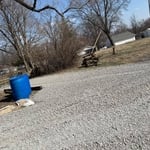
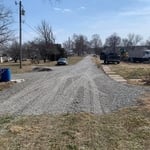
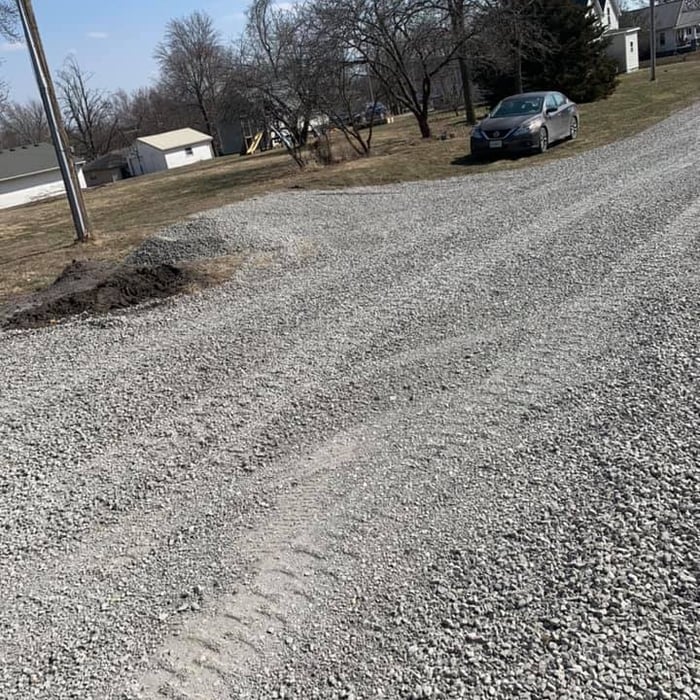
Wilson Land Management LLC
5.0(
1
)
Building Site - Preparation and ClearingExcavation - Major Grading or ReslopingBuilding Site - Preparation and Clearing - For Business+1 more

Serving Bethany, MO and surrounding areas

Approved

In business since 2025

Free estimates

Small jobs welcome

We pride our company on reliability, great communication,\nintegrity, and quality work. We are experts in our trade and will do our best\nto keep you as educated as we can on your particular task or project. We look\nforward to earning your business!

Response time8 hrs
Response rate100%
26 neighbors recently requested a quote
RICHARDSONS CONSTRUCTION
5.0(
3
)
Excavation - Major Grading or ReslopingExcavation - Major Grading or Resloping - For BusinessLandscape - Minor Grading or Resloping

Serving Bethany, MO and surrounding areas

In business since 2022

Free estimates

Offers commercial services

"I thought the crew of Richardson construction did a great job of building the site pad for my new house. There was a good amount of dirt to be moved and making a hill flat was going to be challenging. They communicated well with me on things that needed to happen and any request made by me was made easy. There was a main power utility pole needing moved in this project and all went smoothly and timely. I was impressed with their skills and judgment on how my building site needed to be shaped. I would recommend them to anyone."
Response time2 days
Recommended by100%of homeowners
Cole excavating & dirt work - Home Facebook
New to Angi
Building Site - Preparation and ClearingExcavation - Major Grading or Resloping

Serving Bethany, MO and surrounding areas

In business since 2020

Free estimates

Credit card accepted

We take great pride in our experience, expertise, quality, and customer service that we provide to meet the consumer's needs. It is our mission to provide excellent workmanship and complete customer satisfaction, from the start to the completion of a project. In order to understand the needs and expectations of our customers, we take great care to work and communicate with every customer in a professional manner. Our reputation is based on service, safety, and quality, regardless of how large or small the job.

Response time1 hour
Showing 1-10 of 23
Excavating questions, answered by experts

Trenching and boring are two distinct methods for installing underground utilities. Trenching involves digging a channel using equipment like an excavator, trencher, backhoe, or shovel. While it is a simpler process, it causes significant disruption to the surface, landscaping, and surrounding ecosystems.

Boring, also known as directional boring, is a less invasive alternative that uses a drill to create a tunnel for utility lines without disturbing the surface. This method is more precise and is ideal for installations that need to go underneath buildings, roads, or bodies of water. Although boring is less disruptive, it is generally more expensive than trenching.

The rules and regulations regarding groundwater use vary between states. To find out if you can dig a well on your property, you’ll have to consult these regulations, address any compliance requirements, and get the appropriate permits. It’s also important to check that your intended location has the right geology and water table to support a well.

The best type of soil to build on is a mixture of sand and clay, known as loam soil. Loam soil has the best combination of these soil types to build a foundation on. The clay particles help with water retention, so it won’t erode like sandy soil might, and the sandy particles help with drainage, so you won’t see unsafe soil expansion or have an increased risk of leaks from water sitting against your foundation.

In the United States, a depth of 36 inches (three feet) for underground water lines is the accepted industry standard. This depth varies from location to location based on local conditions. In areas with colder winters, they may be buried deeper to prevent frozen well water pipes : This is usually at least six inches below the frost level. The International Plumbing Code calls for a minimum of 12 inches below grade.

Excavation and grading are both generally necessary for designing your foundation, and leveling the ground where your foundation will go. These steps can also prepare the area by removing vegetation and anything else that could interfere with your home’s foundation.

The Bethany, MO homeowners’ guide to excavation services

From average costs to expert advice, get all the answers you need to get your job done.