

Top-rated excavation pros.

Get matched with top excavation pros in Brunswick, MO

Enter your zip and get matched with up to 5 pros

Need a pro for your excavation project in Brunswick, MO?

Select your specific project to find the pro for you.

Find Excavation pros in Brunswick

Avatar for McCullough Construction
McCullough Construction
5.0(
6
)

Serving Brunswick, MO and surrounding areas

In business since 2024

Free estimates

Offers commercial services

"Does very professional and high quality work. He is efficient and is very good with communication and being open about pricing. Would definitely recommend to others."
My jobs
My jobs
My jobs
My jobs
My jobs

+1

Response time20 mins
Response rate100%
Recommended by100%of homeowners
B&M Landworks, LLC
5.0(
1
)

Serving Brunswick, MO and surrounding areas

In business since 2023

Free estimates

Offers commercial services

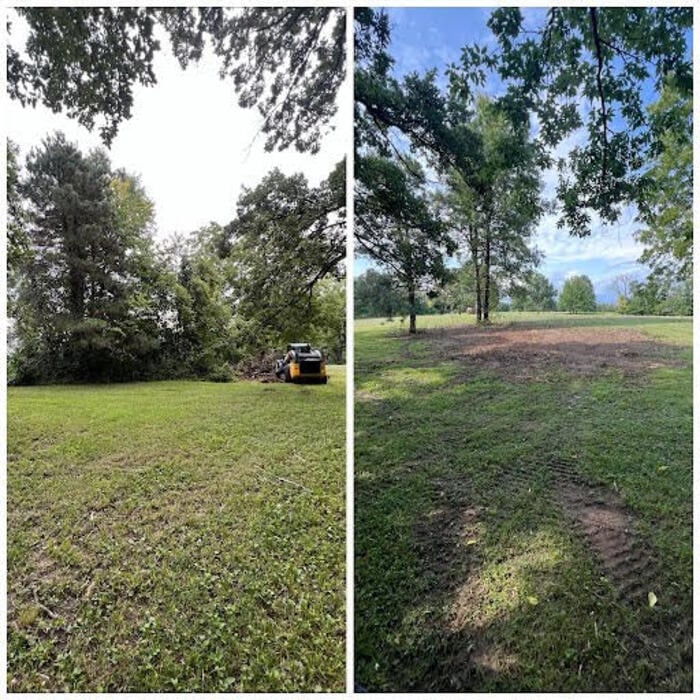
"We have some property that was very overgrown with brush, thick nasty trees and old fence rows. We hired B & M Landworks to come clear it off. They were very prompt in responding and we communicated well. They finished the project in a very timely manor. We were so pleased with the work, we hired them to come again and work it over with bulldozing. He smoothed everything out so nice. He also cleared a pond a dam for us. He is willing to do anything you ask. I would definitely hire him again."
Response time10 mins
Recommended by100%of homeowners
Showing 1-10 of 28
Excavating questions, answered by experts

The average cost for pool excavation is $2,500. This cost can range from $450 to $4,500, depending on the pool shape and size, time of year, and any need to move buried utilities. 

When excavating for your pool, you might have to move existing utilities. You can expect to pay an additional $15 to $25 per linear foot to move gas lines. To move a septic system, it’ll cost an additional $2,000 to $20,000. A pool that is 10 feet by 12 feet averages $450 to excavate, and a 20-foot-by-40-foot pool averages $3,020.

Hardscaping often requires preparation of the ground in the area where the feature is being installed. This can include digging, compacting, and leveling the soil, ensuring adequate drainage, and removing any existing plants. The extent of preparation needed will depend on the type and size of the hardscaping feature being installed.

The rules and regulations regarding groundwater use vary between states. To find out if you can dig a well on your property, you’ll have to consult these regulations, address any compliance requirements, and get the appropriate permits. It’s also important to check that your intended location has the right geology and water table to support a well.

Digging a bush up by the roots is the most natural DIY method for removing a bush stump. Start by identifying the shrub type and revealing its roots. Cut the shrub to its base and loosen the soil, ensuring no utility lines are nearby. Optionally, treat the base with herbicide, then dig around the roots and cut a circle around the shrub using various tools. Dig a trench, cut the base of the root ball, and finally fill the hole to prevent regrowth. This thorough process ensures complete removal without damaging surrounding areas.

Most residential basements are 8 to 10 feet deep. You can dig deeper depending on building codes, but it does become more difficult. You’ll likely need to install stronger foundation walls and additional supports to handle the increased load. Depending on the water table, you may also need a water management system. Clay soil can support a deeper foundation than sandy soil. A structural engineer will be able to tell you the maximum, feasible depth.

The Brunswick, MO homeowners’ guide to excavation services

From average costs to expert advice, get all the answers you need to get your job done.