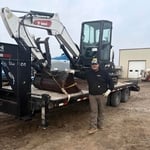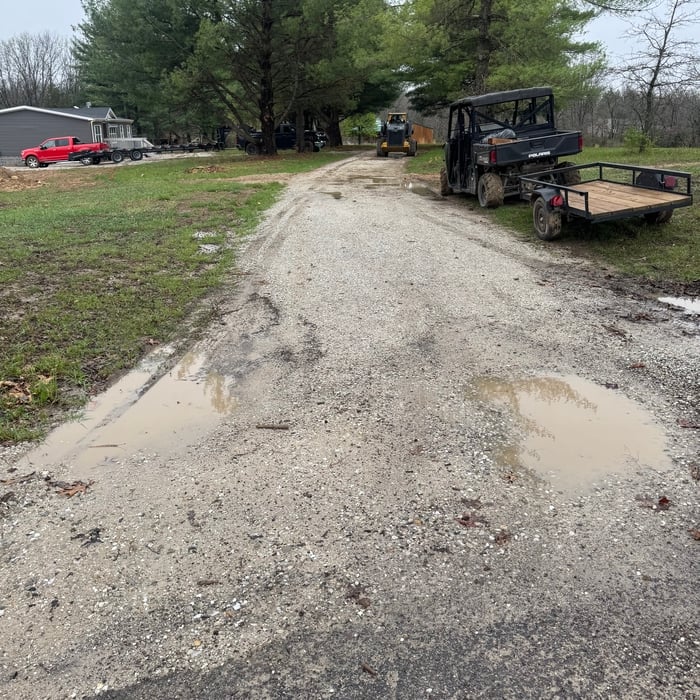

Top-rated excavation pros.

Get matched with top excavation pros in Unionville, MO

Enter your zip and get matched with up to 5 pros

Need a pro for your excavation project in Unionville, MO?

Select your specific project to find the pro for you.

Find Excavation pros in Unionville

Avatar for Hull Contracting
Hull Contracting
New to Angi

Serving Unionville, MO and surrounding areas

Approved

Free estimates

Emergency services offered

Small jobs welcome

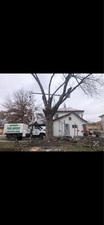
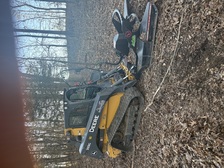
Hull Contracting LLC provides professional excavation and land management services throughout the area. We specialize in forestry mulching, land clearing, grading, driveway installation and repair, site preparation, brush removal, skid steer work, and mini excavator services. We take pride in honest work, dependable service, and quality results. Contact us today for a free estimate.

Concrete pad
1 neighbors recently requested a quote
Avatar for digmaters
digmaters
5.0(
3
)

Serving Unionville, MO and surrounding areas

In business since 2023

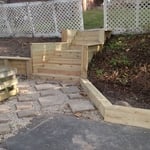
"Copper Creek did quality work at a very fair price. Communication was prompt and thorough and Kody was always professional and courteous. I They arrived when they said they would and completed the work in the time frame they had bid. I highly recommend Copper Creek and will be using them again in the future."
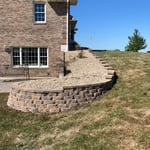
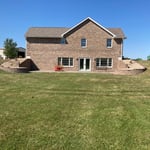
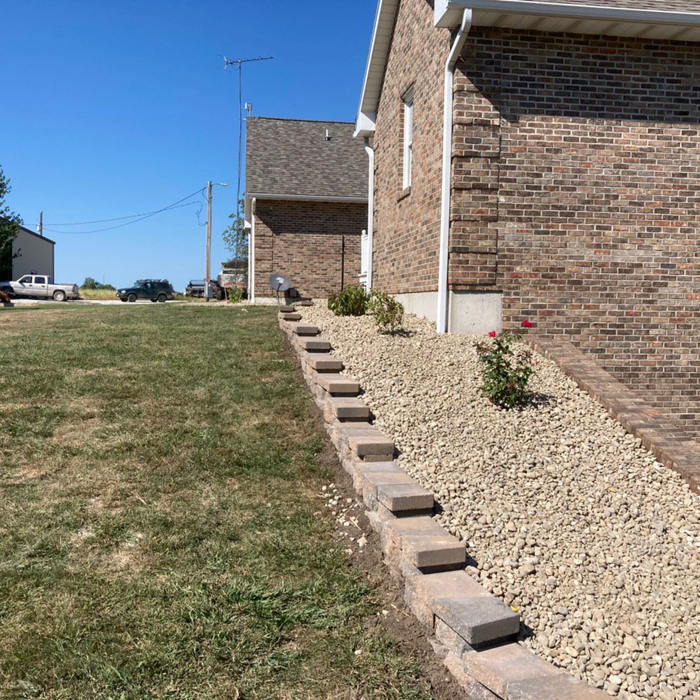
Additional Photos
Additional Photos
Additional Photos
Additional Photos
Additional Photos

+1

Recommended by100%of homeowners
Showing 1-10 of 19
Excavating questions, answered by experts

In the United States, a depth of 36 inches (three feet) for underground water lines is the accepted industry standard. This depth varies from location to location based on local conditions. In areas with colder winters, they may be buried deeper to prevent frozen well water pipes : This is usually at least six inches below the frost level. The International Plumbing Code calls for a minimum of 12 inches below grade.

Yes, trenchers can go through gravel. Gravel is made up of smaller, softer rocks that certain trenchers are able to cut through. Just be sure to use a rock wheel trencher or chain trencher, both of which are made to cut through rocky landscapes and gravel pathways without dulling the teeth or chain.

Excavation is priced in cubic yards, so you’ll need to find the volume of the area in order to calculate costs. Multiply the length, width, and proposed depth of your excavation site, then convert it into yards to get the volume. Multiply this figure by the price per cubic yard.

Most homeowners can measure by hand to get a rough estimate, even if it’s tedious. You may want to pull out a tape measure or use a string to help mark the area.

Landscape edging is more DIYable than trenching. You can DIY your own digging projects, but proceed carefully and only with proper knowledge of the equipment and appropriate safety measures in place. Keep in mind the project's scope and estimate how long it will take you to do it on your own. While you can certainly save money by DIYing home improvement projects, you can’t exactly hide an unfinished—or worse, ruined— landscaping job from the neighbors. It’s always safer to call an excavation pro near you to get an estimate.

The best type of soil to build on is a mixture of sand and clay, known as loam soil. Loam soil has the best combination of these soil types to build a foundation on. The clay particles help with water retention, so it won’t erode like sandy soil might, and the sandy particles help with drainage, so you won’t see unsafe soil expansion or have an increased risk of leaks from water sitting against your foundation.

The Unionville, MO homeowners’ guide to excavation services

From average costs to expert advice, get all the answers you need to get your job done.