




Top-rated excavation pros.

Get matched with top excavation pros in Jamesport, MO

Enter your zip and get matched with up to 5 pros

Need a pro for your excavation project in Jamesport, MO?

Select your specific project to find the pro for you.

Find Excavation pros in Jamesport

Avatar for Home Remodel and Repair
Home Remodel and Repair
5.0(
10
)

Serving Jamesport, MO and surrounding areas

In business since 2001

Small jobs welcome

"Having been in the industry my whole life, I've never dealt with a more professional and thorough professional. He is very meticulous and clean, and works efficiently and fast!"
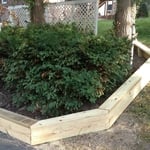
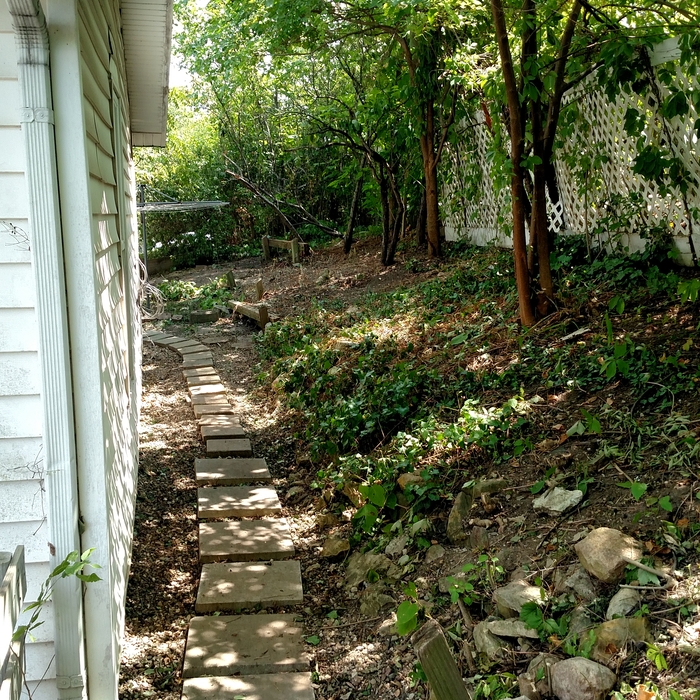
Rustic Flower bed
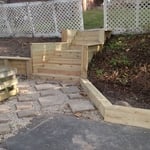
Steps with wrap around flower bed
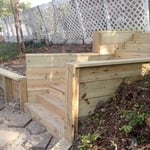
Steps and Retaining wall
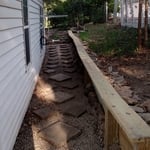
Rustic Retaining wall

+1

Response time2 days
Recommended by100%of homeowners
Avatar for McCullough Construction
McCullough Construction
5.0(
6
)

Serving Jamesport, MO and surrounding areas

In business since 2024

Free estimates

Offers commercial services

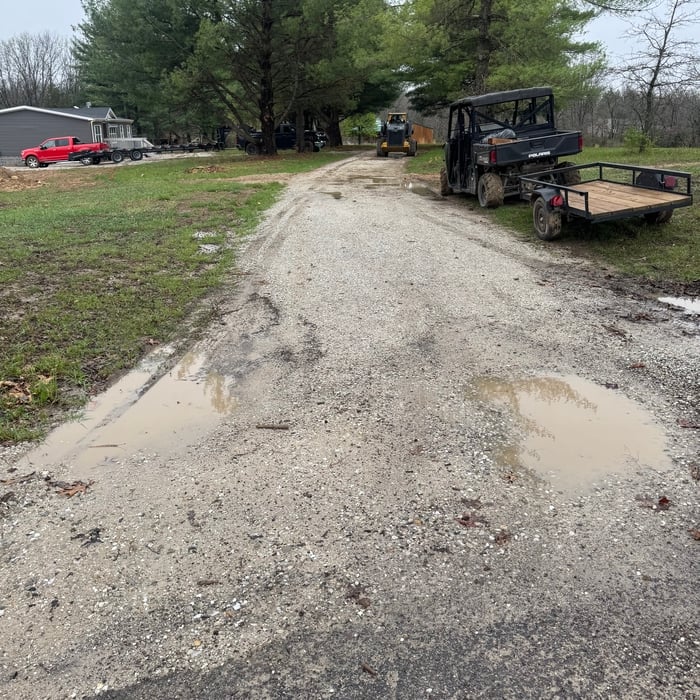
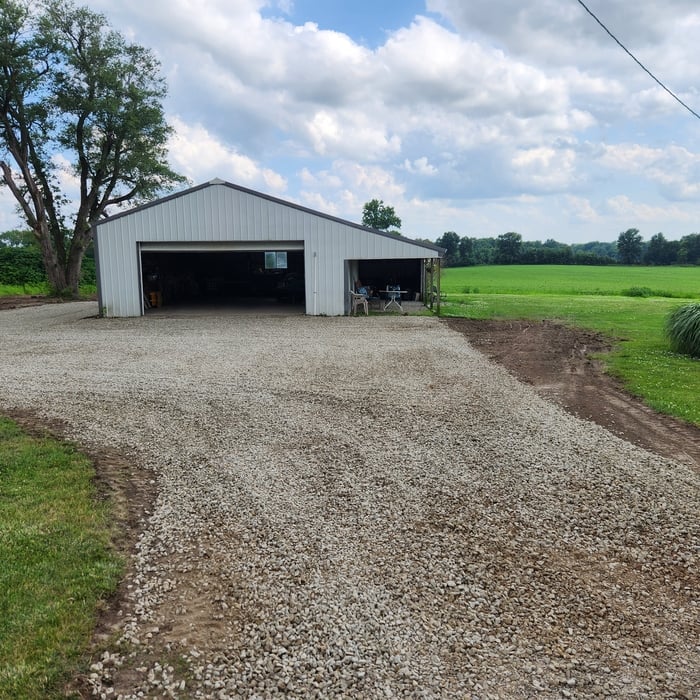
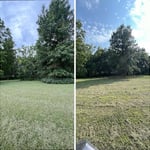
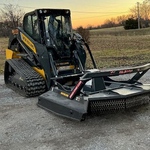
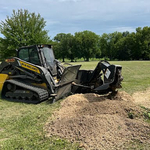
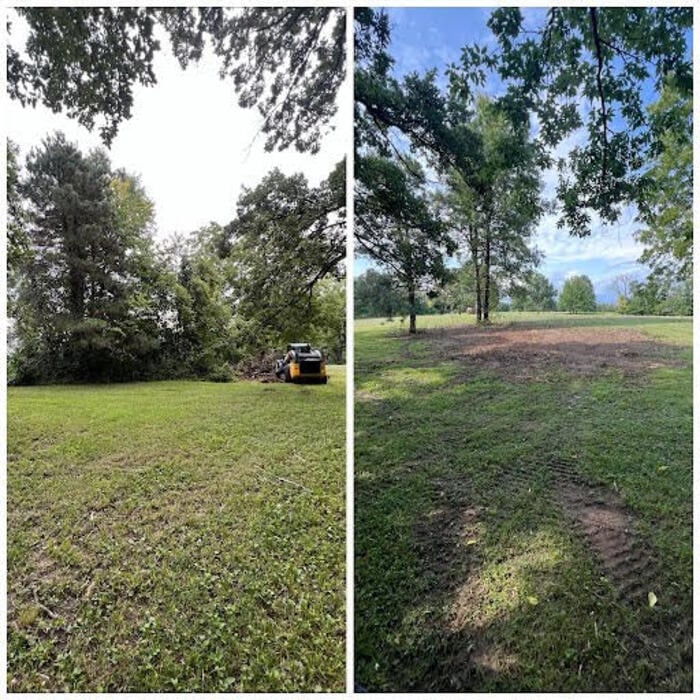
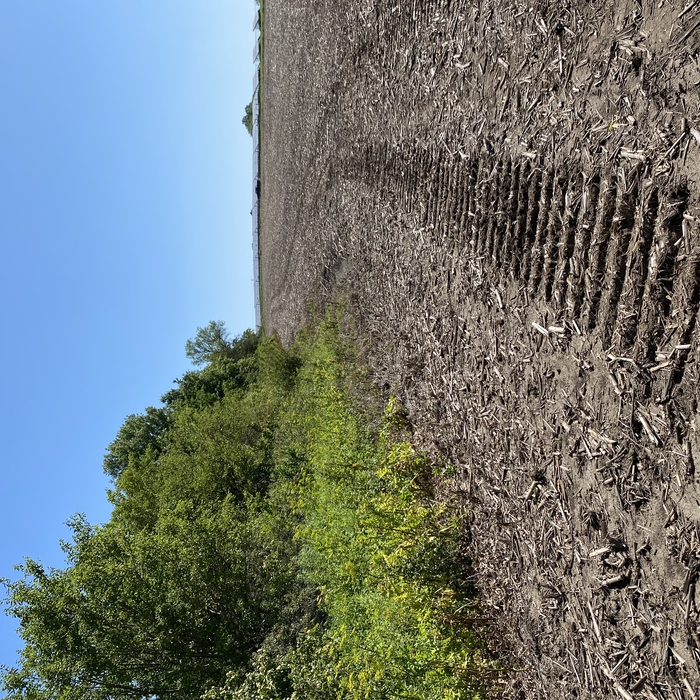
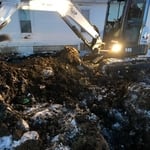
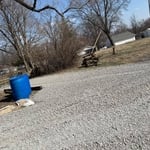
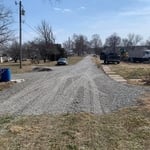
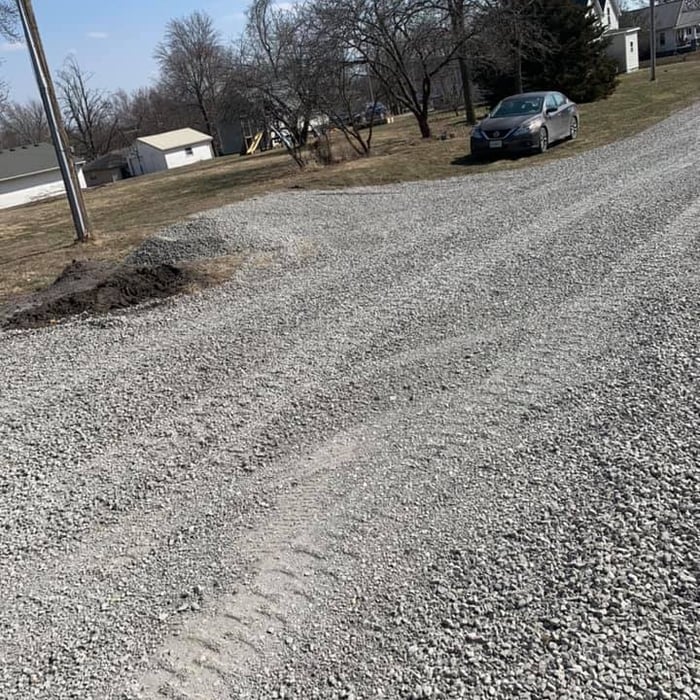
"I hired Jack to install over 1,500 feet of gravel road and to clear several acres of heavy brush on our property. His work is excellent and his pricing is very fair and reasonable. I am very satisfied."
My jobs
My jobs
My jobs
My jobs
My jobs

+1

Response time20 mins
Response rate100%
Recommended by100%of homeowners
Showing 1-10 of 25
Excavating questions, answered by experts

Professional installers often include a deep layer of crushed gravel under permeable pavers to allow more runoff to soak through into the soil below. Many installations will include multiple layers of gravel, with coarser aggregate at the base and finer aggregate that sits on top of that bottom layer. Above the gravel, you’ll often find coarse sand that helps reduce paver shifting over time. Some permeable paver designs include a water collection system set into the gravel layer to route runoff to a safe area for disposal.

Yes, trenchers can go through gravel. Gravel is made up of smaller, softer rocks that certain trenchers are able to cut through. Just be sure to use a rock wheel trencher or chain trencher, both of which are made to cut through rocky landscapes and gravel pathways without dulling the teeth or chain.

No, fire blight does not survive free in the soil but instead is carried through insects, animals, rain, or wind during the spring. Keep in mind that it can also spread on tools, which is why you should always disinfect them in between cuts.

Digging a bush up by the roots is the most natural DIY method for removing a bush stump. Start by identifying the shrub type and revealing its roots. Cut the shrub to its base and loosen the soil, ensuring no utility lines are nearby. Optionally, treat the base with herbicide, then dig around the roots and cut a circle around the shrub using various tools. Dig a trench, cut the base of the root ball, and finally fill the hole to prevent regrowth. This thorough process ensures complete removal without damaging surrounding areas.

As a general rule, the protected area should be about 1½ times as wide as the canopy of the tree’s leaves. This digging measurement can vary by tree species and the age of the tree. Of course, that can be a lot of fencing for larger trees, which is why our first step is about making difficult decisions on which trees to save.

The Jamesport, MO homeowners’ guide to excavation services

From average costs to expert advice, get all the answers you need to get your job done.