


Top-rated excavation pros.

Get matched with top excavation pros in Keytesville, MO

Enter your zip and get matched with up to 5 pros

Need a pro for your excavation project in Keytesville, MO?

Select your specific project to find the pro for you.

Find Excavation pros in Keytesville

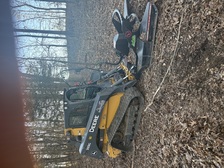
Avatar for McDowell Excavating, LLC
McDowell Excavating, LLC
5.0(
11
)
Excavation - Major Grading or ReslopingExcavation - Major Grading or Resloping - For BusinessLandscape - Minor Grading or Resloping+2 more

Serving Keytesville, MO and surrounding areas

Approved

In business since 2022

Free estimates

Emergency services offered

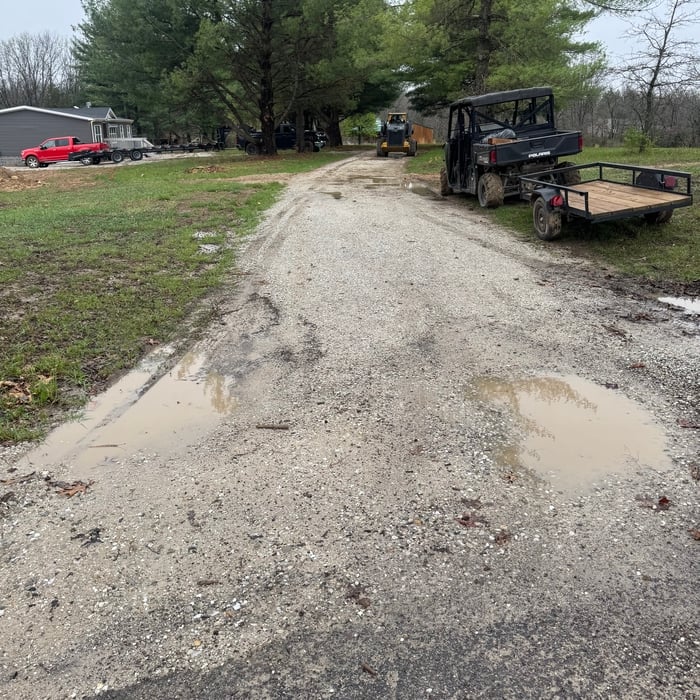
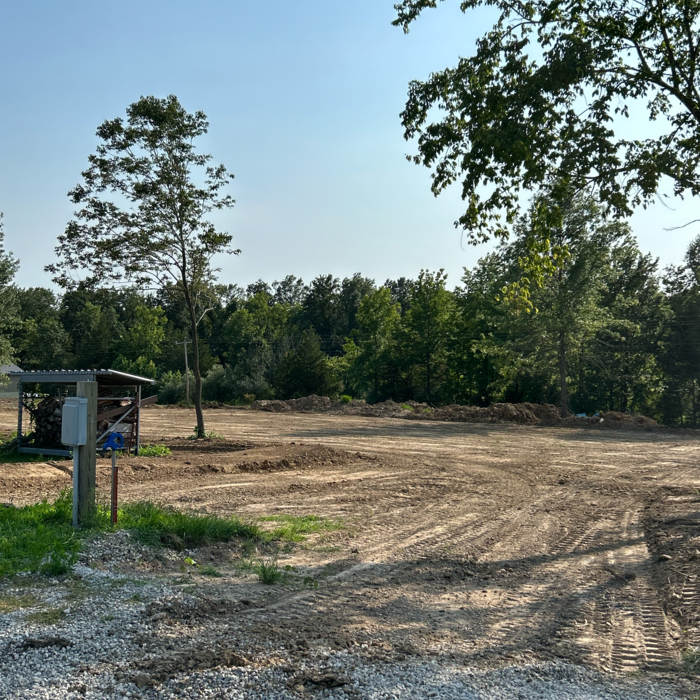
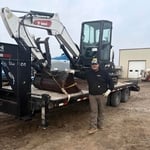
"They did a great job creating a gravel pad for our camper! He was able to complete the job just a few days after my first conversation with him. He was very easy to work with, very patient with my many texts, happy to troubleshoot some different ideas with us and offered professional and knowledgeable advice. I would gladly hire him again and would highly recommend him to others."
Excavator
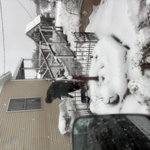
Snow removal
Snow removal
Snow removal
Driveway reclaiming

+2

4 neighbors recently requested a quote
Missouri Land Improvement
New to Angi
Landscape - Minor Grading or Resloping

Serving Keytesville, MO and surrounding areas

Approved

Free estimates

Emergency services offered

Warranties offered

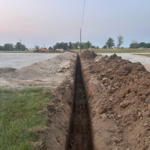
Hello, I’m a local guy born and raised right here in Columbia. I’m available to do all kind of residential ground work from reshaping your property for proper drainage to clearing trees and overgrowth for better views. I focus on selective growth management in which I remove all scrubby trees and undergrowth to maximize the life of the wanted trees. I also clear large amounts of land. I install drainage systems for gutter and footings to get the water away from your house.

7 neighbors recently requested a quote
Integrated Solutions and Services LLC
New to Angi
Landscape - Minor Grading or Resloping

Serving Keytesville, MO and surrounding areas

Approved

At Integrated Solutions & Services, we take pride in delivering quality craftsmanship, honest communication, and dependable service. We specialize in decks, fences, siding, roofing, drywall, painting, flooring, remodeling, concrete work, and a wide variety of home improvement projects. Whether you need a small repair or a complete renovation, we're committed to treating your home as if it were our own. We believe in fair pricing, reliable workmanship, and making sure every customer is satisfied from start to finish. We proudly serve Marshall, MO, and the surrounding communities. We look forward to helping bring your vision to life!

Showing 1-10 of 35
Excavating questions, answered by experts

The best method for digging a trench depends on the scope of the project. For a short, shallow trench (less than 2 feet deep) in light, soft soil, digging by hand may be sufficient. However, digging by hand is labor-intensive, so consider the effort required. A machine trencher is the better option for longer trenches (over 100 feet), deeper ones, or when dealing with difficult soil conditions, such as rocky or hard ground, or obstructions like tree roots. A machine can save significant time and energy in these situations.

You can dig 60 to 80 linear feet by hand per day depending on the depth. Digging a 100-foot trench by hand will take you two work days, but it can take longer if you have heavy or rocky soil. If you’re digging a deep trench or one that’s over 100 feet, consider renting a mechanical trencher, such as a walk-behind or ride-on, or calling a pro for help. 

Digging a bush up by the roots is the most natural DIY method for removing a bush stump. Start by identifying the shrub type and revealing its roots. Cut the shrub to its base and loosen the soil, ensuring no utility lines are nearby. Optionally, treat the base with herbicide, then dig around the roots and cut a circle around the shrub using various tools. Dig a trench, cut the base of the root ball, and finally fill the hole to prevent regrowth. This thorough process ensures complete removal without damaging surrounding areas.

Most residential basements are 8 to 10 feet deep. You can dig deeper depending on building codes, but it does become more difficult. You’ll likely need to install stronger foundation walls and additional supports to handle the increased load. Depending on the water table, you may also need a water management system. Clay soil can support a deeper foundation than sandy soil. A structural engineer will be able to tell you the maximum, feasible depth.

There is no standard depth for burying a septic tank; they are typically buried anywhere from 4 inches to 4 feet underground. The final depth depends on several factors, including the depth of your main sewer line, the height of the bedrock, soil type, local regulations, and the property's landscape. If you plan to grow grass or plants over the tank, a depth of at least 4 to 6 inches is recommended. Deeper tanks can be more difficult to locate, but a septic professional can help find it for you.

The Keytesville, MO homeowners’ guide to excavation services

From average costs to expert advice, get all the answers you need to get your job done.