
•
Find out the average cost to remove roots from pipes, what impacts pricing, and expert budgeting tips for root removal, and protect your plumbing.
Get to the root of your most pressing trencher questions

A trencher can cut through roots when they're small and soft, but you'll need specialized equipment with built-in blades for larger, denser tree roots.
Expect to pay $400 to $1,200 for trenching 100 linear feet, or $5 to $12 per linear foot, with trencher rentals costing $125 to $315 per day.
Your trenching project will work best when you maintain at least 5 feet of clearance from tree trunks to protect roots and tree health.
Hiring a local excavation company handles root removal and trenching efficiently, keeping heavy machinery operation and project completion on schedule without the physical demands.
You’re preparing to dig trenches around the yard for your next home improvement project, only to find there are several plant and tree roots to work around. Do you really need to maneuver around all these plants, or will a trencher cut through roots? As it turns out, it all depends on the type of trencher and the size and density of those roots.
A trencher can cut through small, soft roots, but it can’t handle larger roots quite as well. If you’re moving the trencher along your yard and need to work around little plants, a trencher can handle some of these roots without interrupting the trenching process. Larger, denser roots require special tools to remove the root before you can continue trenching.
If you’re digging a trench around a tree but don’t want to harm the tree, give at least 5 feet of clearance between the tree trunk and the trench. You can also use the Rule of Five to determine a safe distance from the tree to the trench: Multiply the diameter of the tree by five and leave that many feet of space between your trench and the tree. For example, if you have a tree with a 3-foot diameter, make sure your trench is at least 15 feet away from the tree.

Keep in mind that not all trenchers are designed for cutting through larger roots, but some portable and walk-behind models have special, built-in blades that can slice through roots. Be sure to check the product rental specifications or ask the equipment rental company for a model that has the blade.
Although they come at a higher price, ride-on trenchers are more heavy-duty equipment that can trench through tougher soils and root systems. You could also hire a local excavation company for quick, complete root removal and trenching without having to handle any heavy machinery yourself.
Now that you’re aware of how to use a trencher around roots, it’s time to study up on other best practices for using a trencher. From the depth of the trench to how you use it, here are some guidelines for using a trencher.
When considering how long to dig a trench, the project itself will determine the length. For example, if you’re installing a sprinkler system, the trench should span however long you want the sprinklers to run. Similarly, if someone is burying utility lines, the trench will need to span the length of the lines.
The depth of your trench can vary based on how deep the trencher will dig and what type of project you’re completing. Smaller, walk-behind trenchers can dig between 1 foot and 4 feet deep, which works for most utility lines, like electric or gas. Larger, ride-on trenchers can dig up to 6 feet deep, which can be handy for water lines.
Ultimately, you should consult an excavation pro to determine the right depth for your trench. Leave any alterations of utility lines to a professional, and if you think you need a deep trench, don’t try to DIY the job.
Renting a trench or paying for professional trenching can be expensive, so it’s natural to ask if you can use one trench for multiple projects. For instance, you may wonder if gas and electric lines can be in the same trench. However, many building codes require separate trenches for safety reasons, especially for utility lines, so be sure to have a pro determine the best course of action.
You may also want to consider whether trenching versus boring is right for your project. Trenching may be less expensive up front for projects like installing drainage or a sprinkler system, but boring is a more precise option with less cleanup for installing utility lines.
The cost to dig a trench is $400 to $1,200 for 100 linear feet, or $5 to $12 per linear foot. For small projects, renting a micro-trencher will cost $125 per day, and bigger trenchers and ride-on models cost around $315 per day. You’ll also need to consider costs for utility lines, a drainage system, a sprinkler system, and other materials, depending on what project you’re looking to accomplish with the trenching.
Jason has helped me with multiple household projects, with the most recent being new door installation. He has always showed up on time and organized and has done an incredible job! Jason is very professional and he's now my go-to for anything around my house that needs to be fixed or...
 Huff Garage Rescue, LLC
Amazing job. Efficient and quick without compromising quality. Basement feels brand new. Would use them again in a heartbeat.
 AffordaPro Restoration
Best cleaning I've had at my property
This company is my go to resource for all my post renovation clean ups. They get the place spotless! All we have to do after is stage the place and sell, sell, sell! They are super professional and have some amazing scent that is left in every property. I highly recommend!
 The Royal Sanitation Group
Custom Paint Jobs LLC took our exterior from drab to fab! We couldnt be happier.
 Custom Paint Jobs, LLC
We had our houses windows and back door replace this summer by Window Depot USA of Central. He gave us grate advise and saved my family lots money. The team did a fantastic job with installation. If you need help, they sure get job done right!
 Window Depot USA of Central Ohio
Beginning with the estimate, Larry and Peyton were super helpful in getting my new condo's interior re-painted. Not only was the job well done, but also done in a super timely manner as promised.
 Five Star Painting of Plain City and Powell
Great job...edging and pre clean up went well with a great job with seal coat. Friendly, efficient and professional.
 All Star Paving and Sealing
Did an amazing job transforming my yard. Also installed sod in places, would recommend to everyone.
 Cardinal Landscaping & Construction LLC
Very knowledgable, very respectful and did a great job. They take pride in their work and it shows. I would highly recommend Dad's Home Repair and Excavation.
 Dad's Home Repair & Excavation
From average costs to expert advice, get all the answers you need to get your job done.
Find out the average cost to remove roots from pipes, what impacts pricing, and expert budgeting tips for root removal, and protect your plumbing.
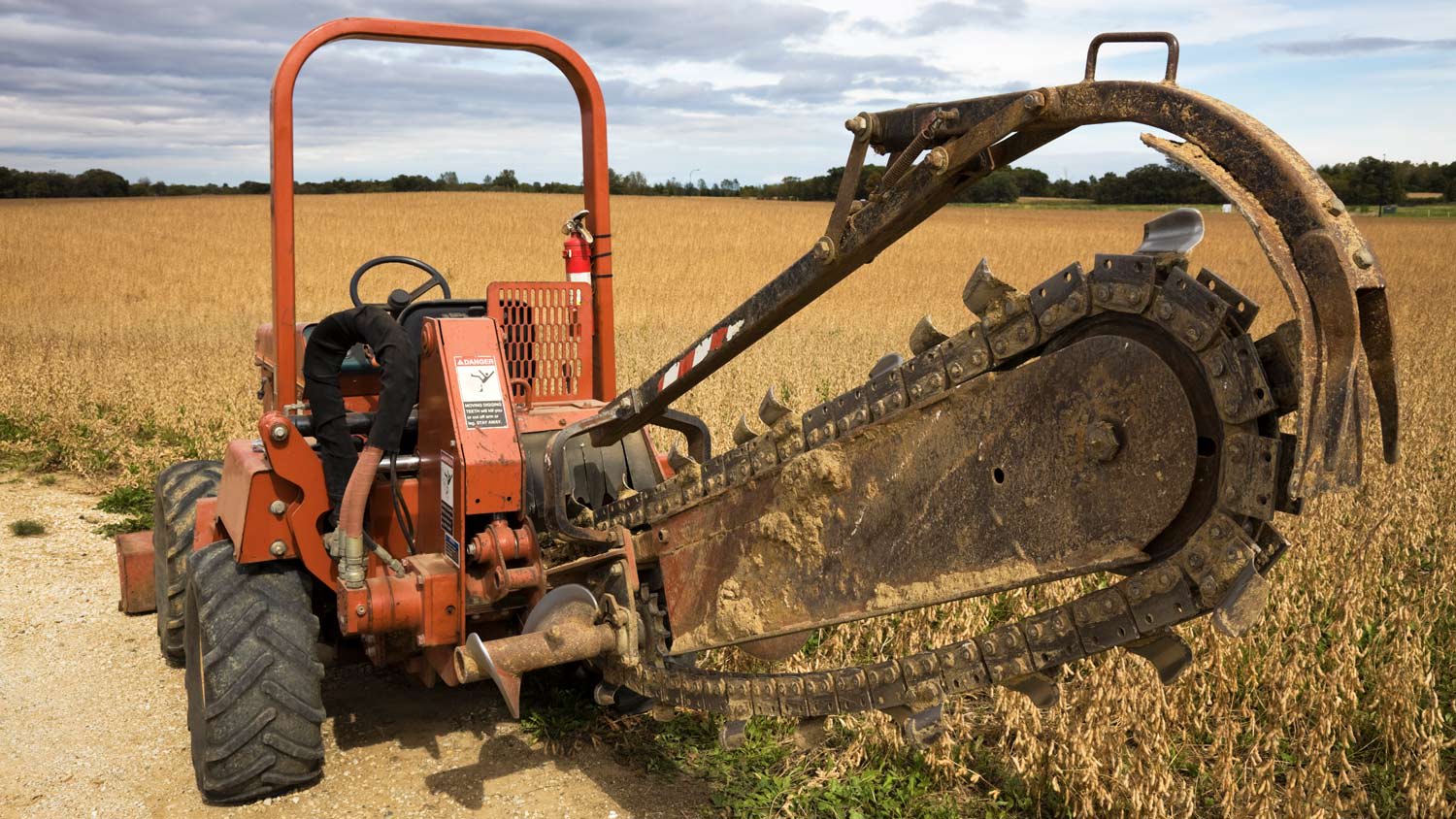
If you need to dig a trench, you might be tempted to do it yourself instead of hiring a pro. So, how much does it cost to rent a trencher? Let’s break it down.
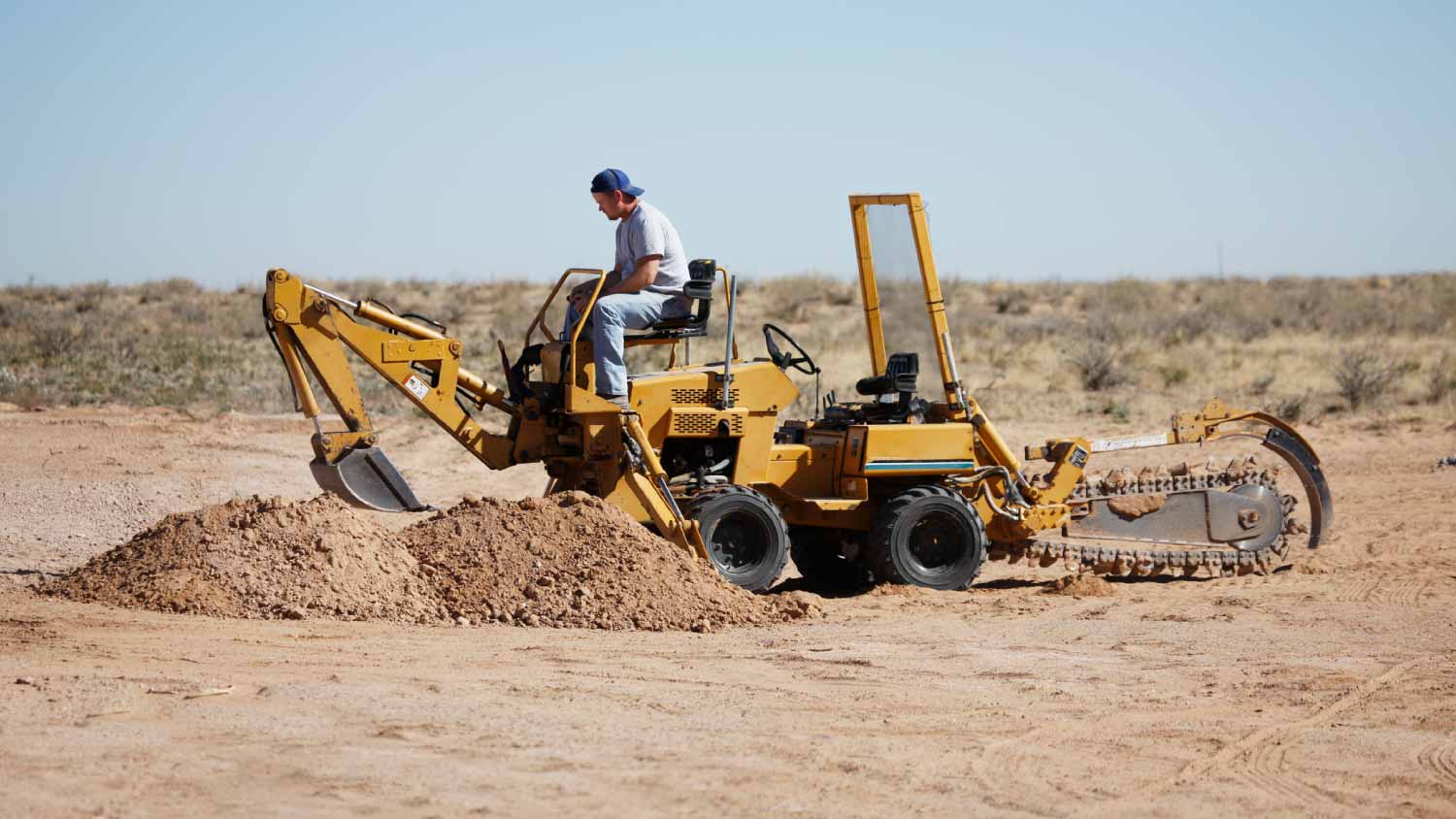
When planning to trench, you may be concerned about rocky ground. Can a trencher go through rock? Find out what your trencher can cut through in this guide.
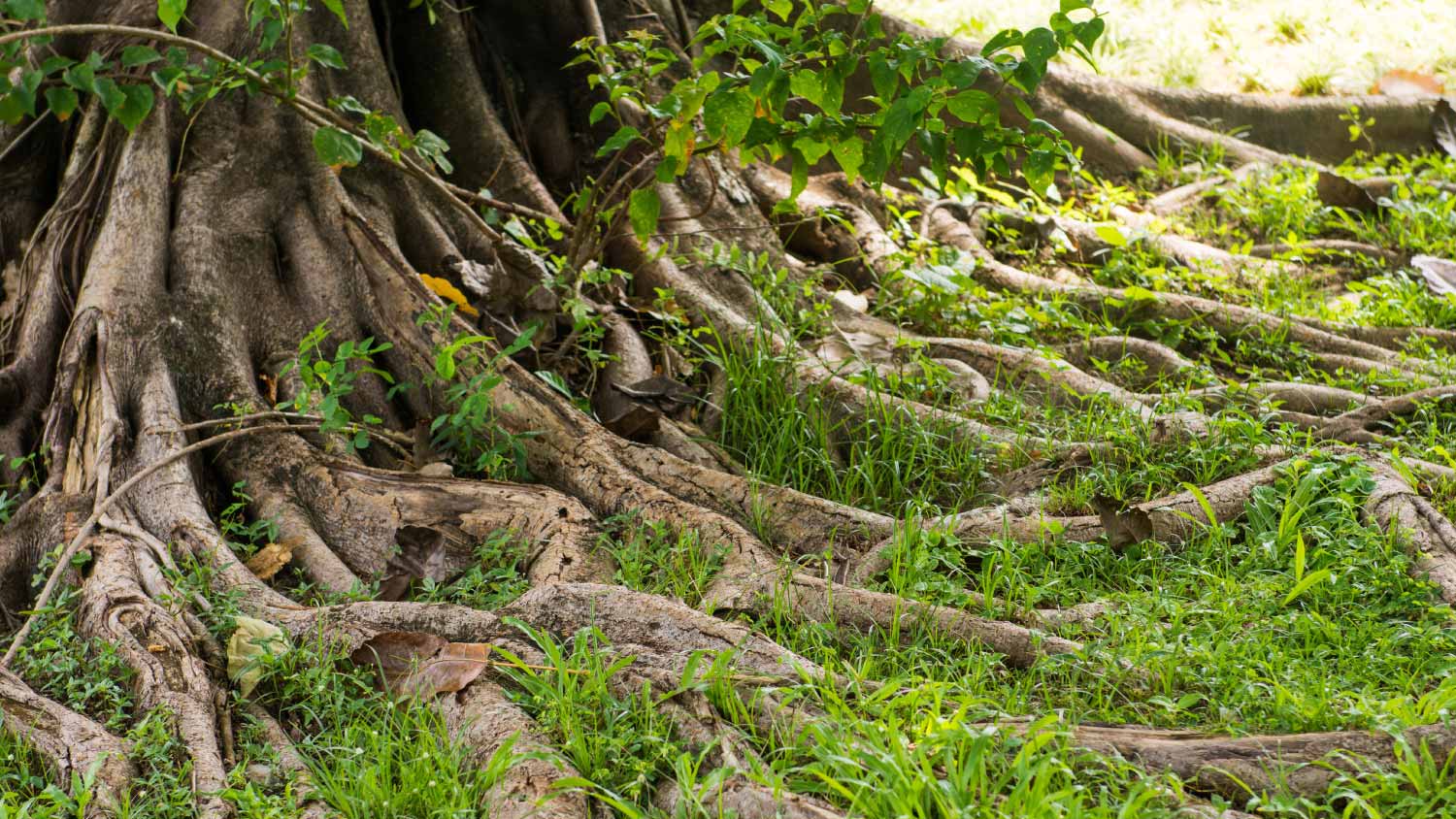
Tree roots can cause damage to pavement and push fence posts out of the ground. If you have tree roots growing over your property line, here’s what you need to know about cutting them.
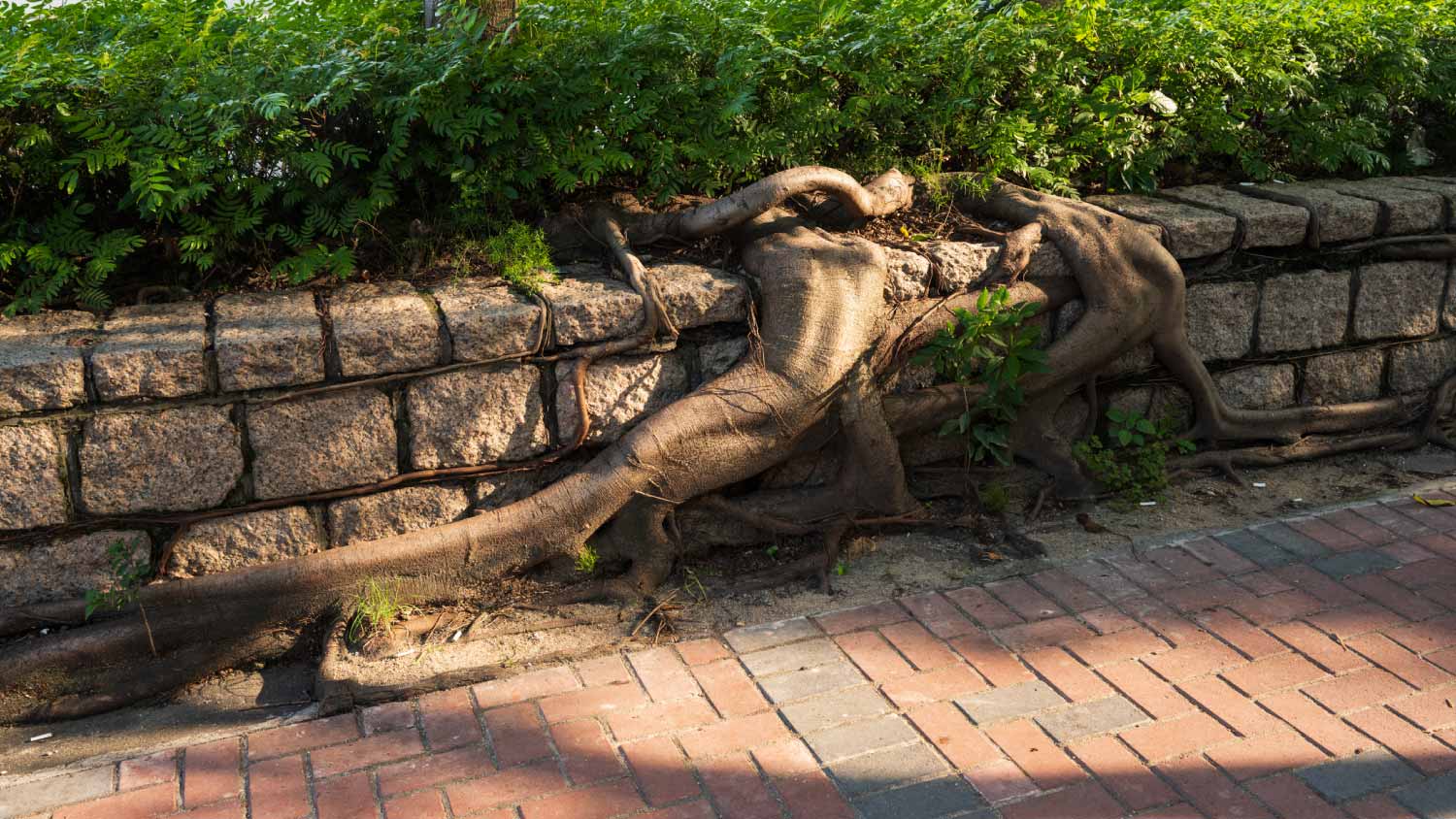
If you’re wondering if cutting tree roots will kill your tree, the short answer is it depends. Read on to figure out how to eliminate roots without affecting your tree’s health.
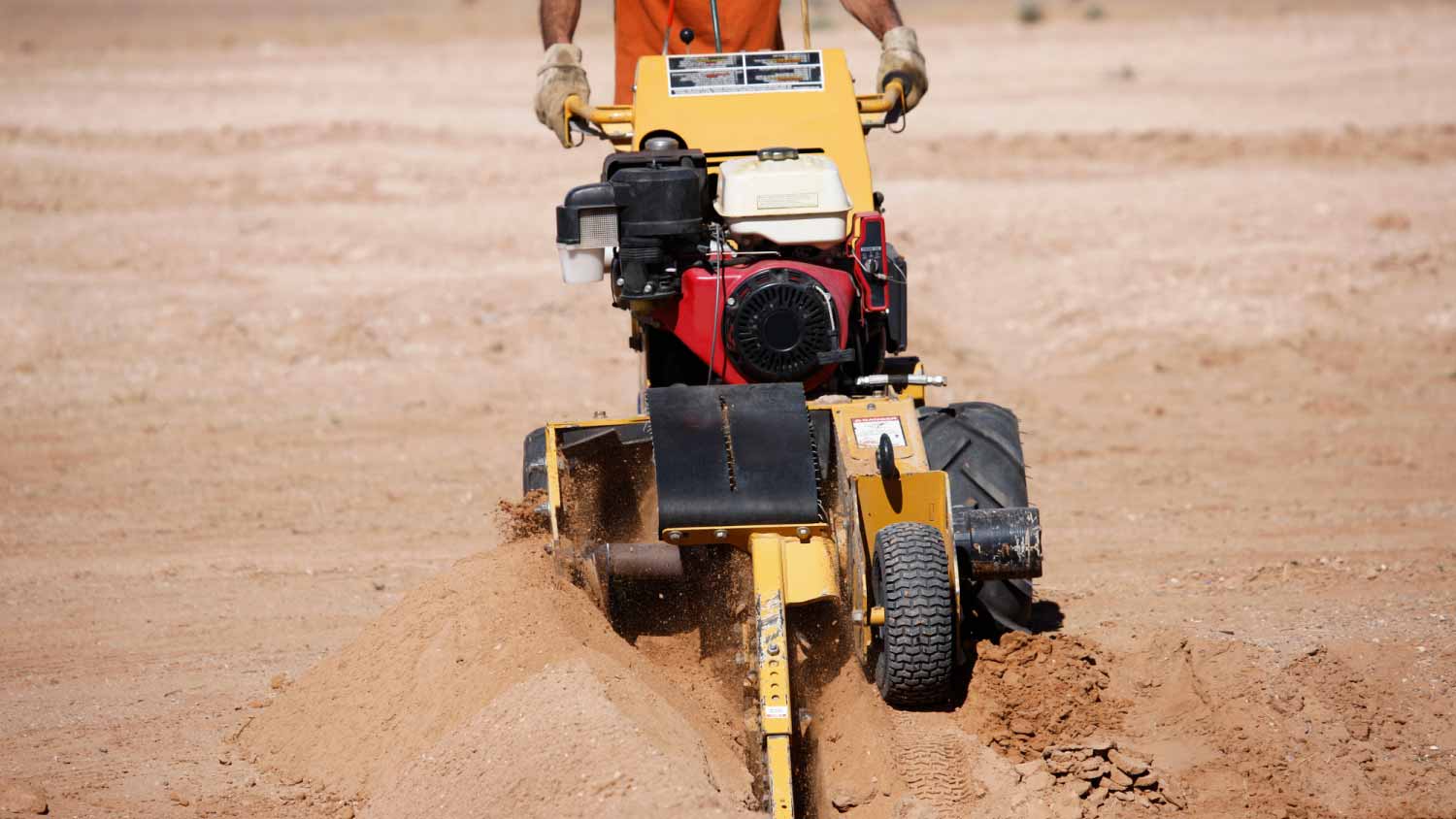
A residential trencher will dig 1 foot to 6 feet deep, depending on the machine. Learn how deep a trencher will dig and which trencher to use.