





Top-rated excavation pros.

Get matched with top excavation pros in Trenton, MO

Enter your zip and get matched with up to 5 pros

Need a pro for your excavation project in Trenton, MO?

Select your specific project to find the pro for you.

Find Excavation pros in Trenton

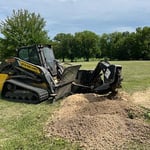
Avatar for JJM Services, LLC
JJM Services, LLC
5.0(
9
)

Serving Trenton, MO and surrounding areas

In business since 2005

Free estimates

Credit card accepted

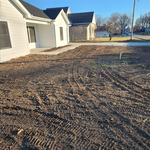
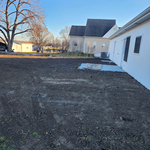
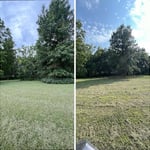
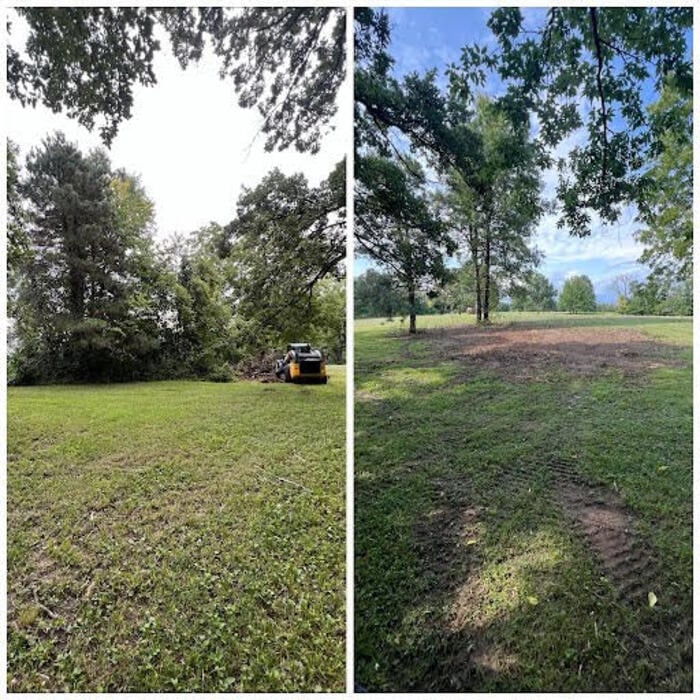
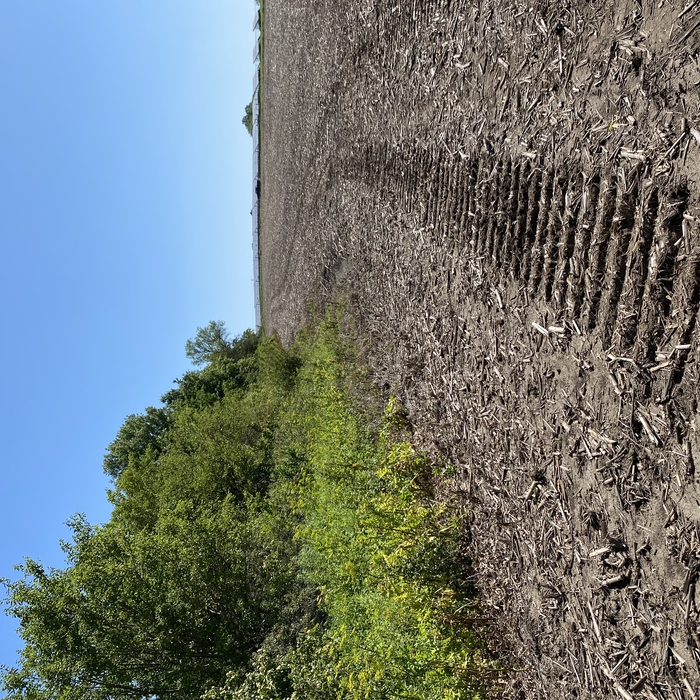
"JJM Services did an outstanding job repairing my yard from tire tracks, JJM Services has outstanding customer service, and are reasonably priced."
Response time8 hrs
Response rate94%
4 neighbors recently requested a quote
Avatar for McCullough Construction
McCullough Construction
5.0(
6
)

Serving Trenton, MO and surrounding areas

In business since 2024

Free estimates

Offers commercial services

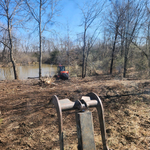
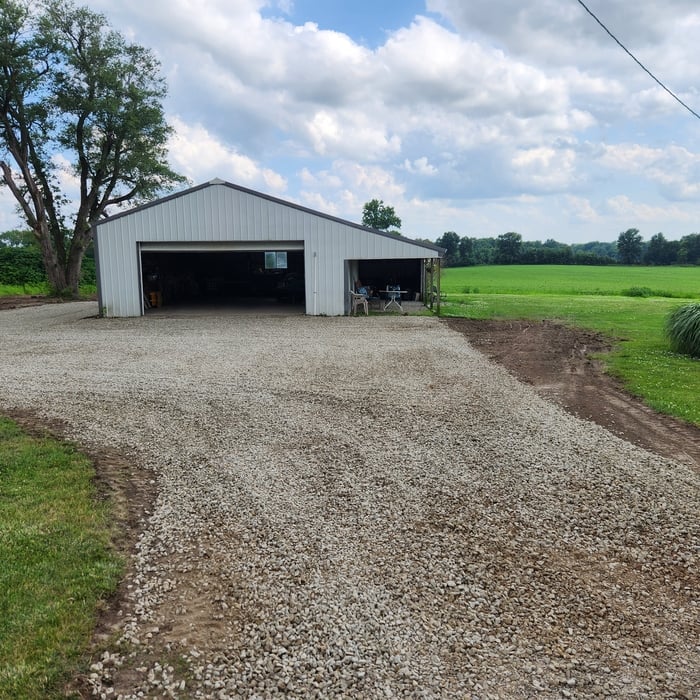
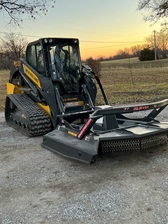
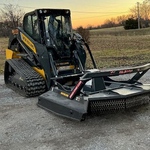
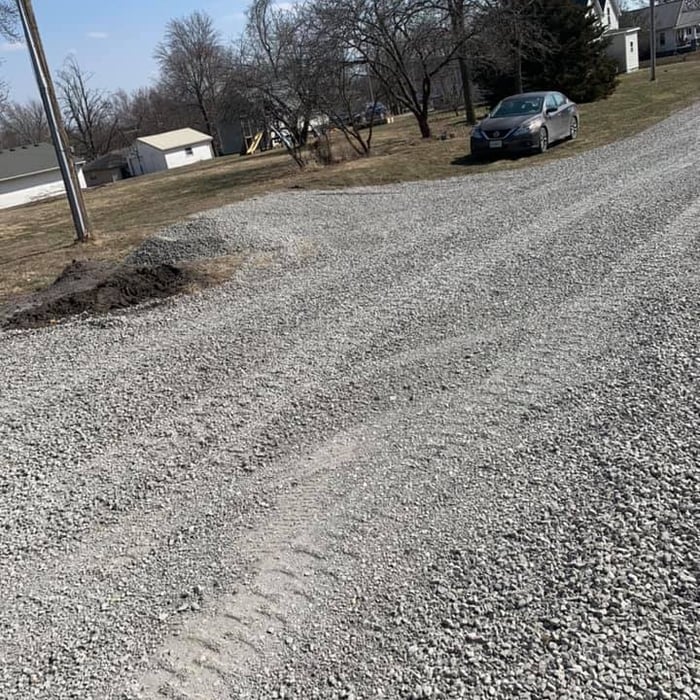
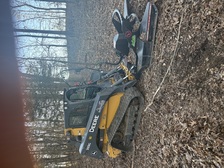
"I hired Jack to install over 1,500 feet of gravel road and to clear several acres of heavy brush on our property. His work is excellent and his pricing is very fair and reasonable. I am very satisfied."
My jobs
My jobs
My jobs
My jobs
My jobs

+1

Response time20 mins
Response rate100%
Recommended by100%of homeowners
Avatar for MP and Sons Dirt Work - Home  Facebook
MP and Sons Dirt Work - Home Facebook
5.0(
2
)

Serving Trenton, MO and surrounding areas

In business since 2016

Free estimates

Emergency services offered

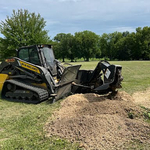
"MP and Sons provided us top notch service! We were amazed at how quickly they were able to come to our house and how hard they worked to provide just what we needed."
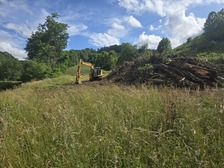
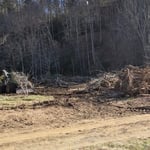
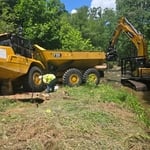
Digging
After Dark
One side
Long View
Other side

+19

Response time30 mins
Response rate100%
Recommended by50%of homeowners
Showing 1-10 of 27
Excavating questions, answered by experts

Digging a bush up by the roots is the most natural DIY method for removing a bush stump. Start by identifying the shrub type and revealing its roots. Cut the shrub to its base and loosen the soil, ensuring no utility lines are nearby. Optionally, treat the base with herbicide, then dig around the roots and cut a circle around the shrub using various tools. Dig a trench, cut the base of the root ball, and finally fill the hole to prevent regrowth. This thorough process ensures complete removal without damaging surrounding areas.

Most residential basements are 8 to 10 feet deep. You can dig deeper depending on building codes, but it does become more difficult. You’ll likely need to install stronger foundation walls and additional supports to handle the increased load. Depending on the water table, you may also need a water management system. Clay soil can support a deeper foundation than sandy soil. A structural engineer will be able to tell you the maximum, feasible depth.

You can bury underground electrical wire six inches deep—but only if you use a rigid metal electrical conduit. For rigid, non-metallic conduits, bury the wire at least 12 inches deep. If using an underground feeder cable rated for direct burial, you'll need to place it at least 18 inches deep, as it has no conduit for extra protection.

Hardscaping often requires preparation of the ground in the area where the feature is being installed. This can include digging, compacting, and leveling the soil, ensuring adequate drainage, and removing any existing plants. The extent of preparation needed will depend on the type and size of the hardscaping feature being installed.

Dumpsters work best on hard, study, and level surfaces made of asphalt, stone, or concrete. If the surface is uneven or too soft, the dumpster could get stuck or tip over when filled. Keep in mind that you must obtain a dumpster permit to keep it on a city street in many areas.

The Trenton, MO homeowners’ guide to excavation services

From average costs to expert advice, get all the answers you need to get your job done.