
Get matched with top excavation pros in Salisbury, MO
Top-rated excavation pros.

Need a pro for your excavation project in Salisbury, MO?

Select your specific project to find the pro for you.

Find Excavation pros in Salisbury

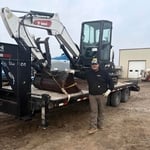
B&M Landworks, LLC
5.0(
1
)

Serving Salisbury, MO and surrounding areas

In business since 2023

Free estimates

Offers commercial services

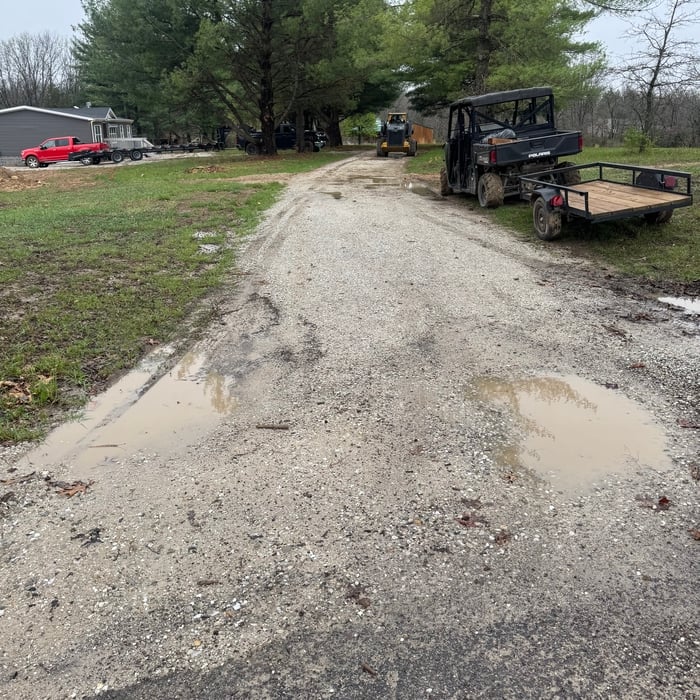
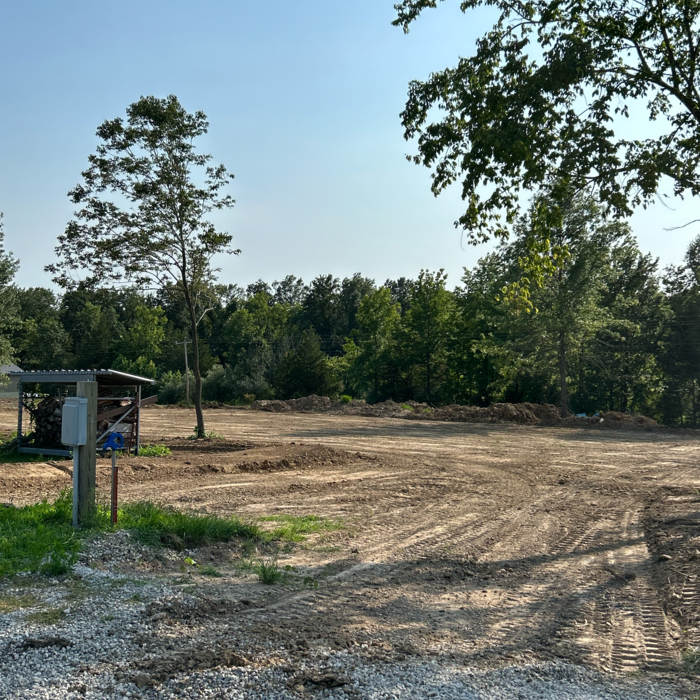
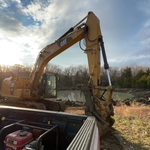
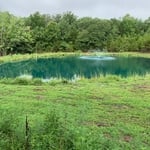
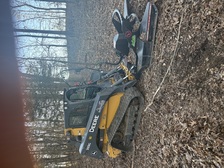
"We have some property that was very overgrown with brush, thick nasty trees and old fence rows. We hired B & M Landworks to come clear it off. They were very prompt in responding and we communicated well. They finished the project in a very timely manor. We were so pleased with the work, we hired them to come again and work it over with bulldozing. He smoothed everything out so nice. He also cleared a pond a dam for us. He is willing to do anything you ask. I would definitely hire him again."
Response time10 mins
Recommended by100%of homeowners
Showing 1-10 of 37
Excavating questions, answered by experts

The average cost for pool excavation is $2,500. This cost can range from $450 to $4,500, depending on the pool shape and size, time of year, and any need to move buried utilities. 

When excavating for your pool, you might have to move existing utilities. You can expect to pay an additional $15 to $25 per linear foot to move gas lines. To move a septic system, it’ll cost an additional $2,000 to $20,000. A pool that is 10 feet by 12 feet averages $450 to excavate, and a 20-foot-by-40-foot pool averages $3,020.

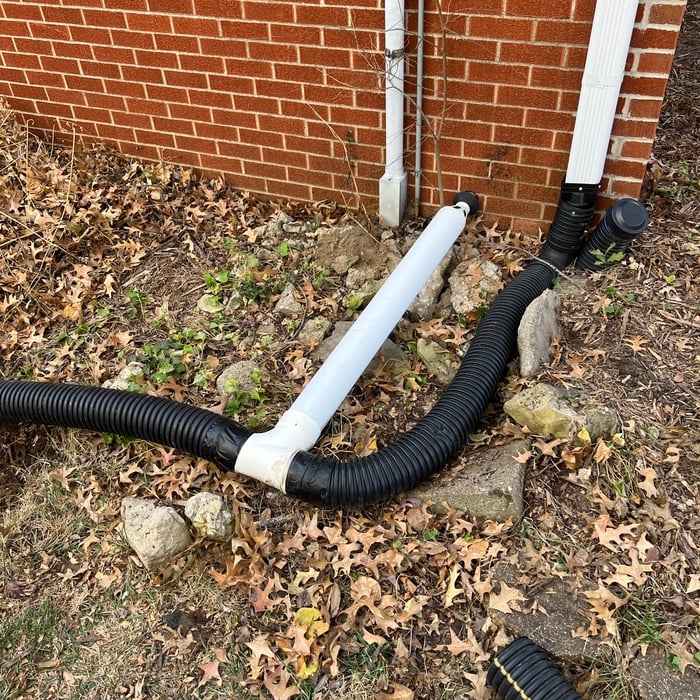
To locate an underground downspout, you should start by identifying where the above ground gutter drains. Look for an entry point, such as a pipe or elbow leading into the ground. Follow the surface path for signs like depressions, landscaping disruptions, or wet areas after rain. You can use a metal detector or plumber’s snake to trace the pipe underground. For deeper pipes, a professional locator tool or camera inspection may be necessary. Visual markers or utility maps can also guide the search.

Above ground pools are not buried in the ground. Typically, above ground pools are semi-permanent. One reason they’re more affordable is that you don’t have to dig for an inground pool and pour concrete or another material. However, you can choose to install a semi inground pool, which is a hybrid between the two.

There is no standard depth for burying a septic tank; they are typically buried anywhere from 4 inches to 4 feet underground. The final depth depends on several factors, including the depth of your main sewer line, the height of the bedrock, soil type, local regulations, and the property's landscape. If you plan to grow grass or plants over the tank, a depth of at least 4 to 6 inches is recommended. Deeper tanks can be more difficult to locate, but a septic professional can help find it for you.

In most areas, you will need a permit for excavation work, even for projects that only involve grading or yard leveling. Permit requirements depend on your local government and the scope of the project, but they are especially common for significant digging or work that could affect utilities or public property. These permits help protect the local topography and prevent drainage issues. An experienced excavation company will typically know whether permits are needed and can often handle the process of pulling and closing them for you. You can also verify permit requirements by contacting your local building department and describing your project.

The Salisbury, MO homeowners’ guide to excavation services

From average costs to expert advice, get all the answers you need to get your job done.