

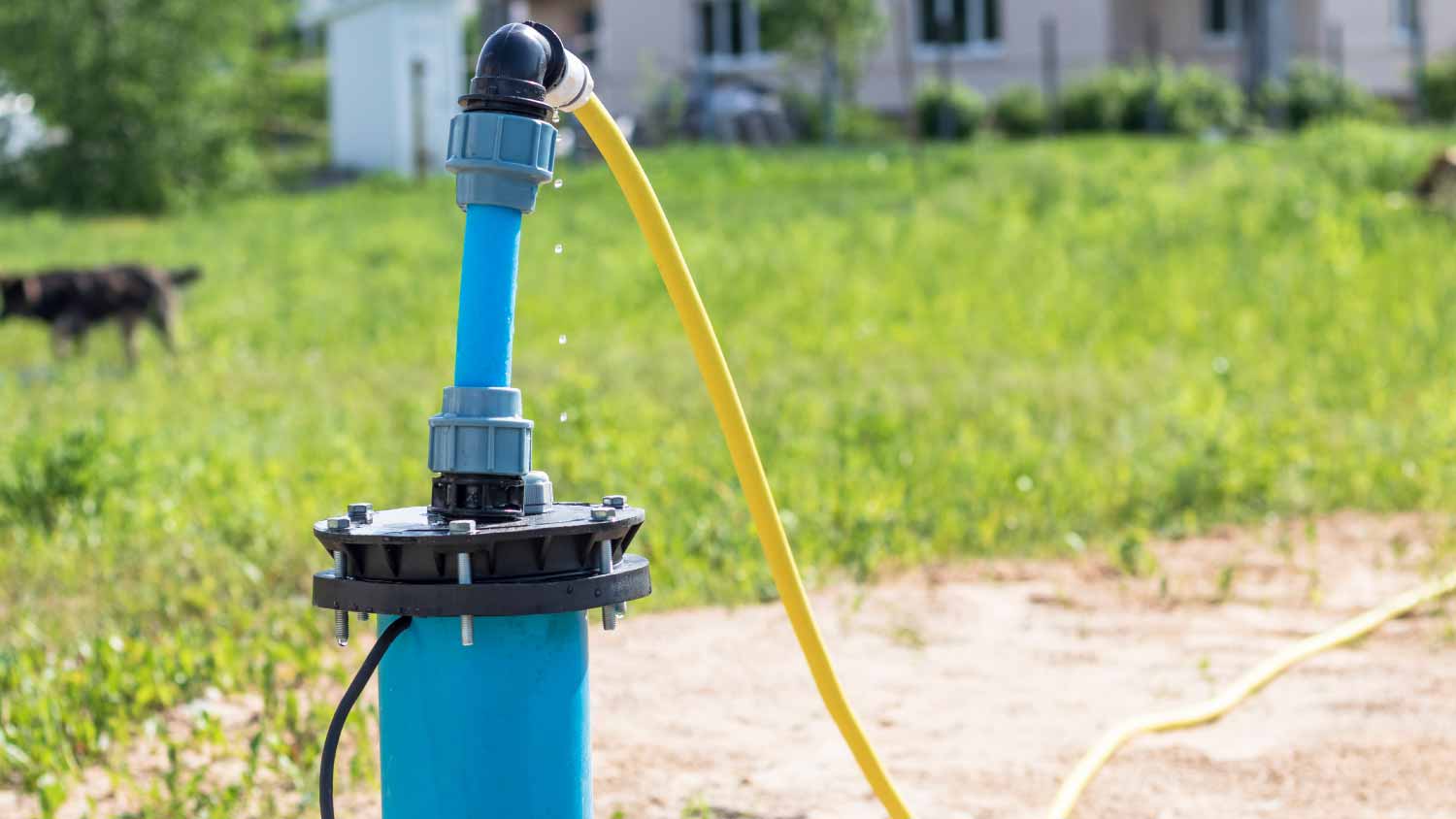
The cost of a well casing replacement depends on materials, well depth, and labor. This guide will help you find the right casing for your well and budget.
Well and pump service costs depend on your project and location. Check with a local pro for your specific job.

Professional well drilling costs between $3,000 and $9,000 per foot, and your well depth drives total cost.
The soil on your property and your local water table depth determine how far your contractor drills.
You should budget for permits, a pump, pressure tank, and water testing so your project plan stays on track.
Hiring a local well pump professional ensures your well is drilled safely and reaches clean groundwater that meets local health standards.
In 2026, the national average cost to drill a well runs $5,500, with most homeowners paying between $3,000 and $9,000 depending on well depth, soil conditions, and casing size. A shallow, narrow well will cost less, while a deep-water system with wide steel casing can push prices up to $24,500. Your final cost also factors in plumbing and electrical components, permits, and your well's location.

Most water well drilling services are priced by depth, with costs ranging from $25 to $65 per foot. Expect to pay more when drilling through rocky, sloped, or remote terrain, where budgeting at least $50 to $75 per foot is wise. The table below breaks down estimated well drilling costs by depth for both 4-inch PVC and 6-inch steel casing:
| Depth (Feet) | Average Cost (4-Inch PVC Casing) | Average Cost (6-Inch Steel Casing) |
|---|---|---|
| 50 | $1,775 | $3,060 |
| 100 | $3,550 | $6,120 |
| 150 | $5,325 | $9,180 |
| 200 | $7,100 | $12,240 |
| 250 | $8,875 | $15,300 |
| 300 | $10,650 | $18,360 |
| 350 | $12,425 | $21,420 |
| 400 | $14,200 | $24,480 |
Many residential water wells require digging at least 50 to 200 feet deep with a 4- to 8-inch casing pipe. At an average of $30 per foot, you could pay between $1,500 and $6,000 to drill a standard residential well. Using a larger 8-inch casing will increase your project budget to roughly $4,200 to $25,000.
PVC casing is lightweight and corrosion-resistant. Steel casing is for heavier digs with higher heat content but is not corrosion-resistant.
Besides the cost per foot, here's what goes into the price you'll pay for digging a well.
Well type significantly shapes overall drilling costs, with per-foot rates ranging from $15 for shallow geothermal wells to $110 for high-volume irrigation systems. While residential wells fall into a standard $25 to $65 per foot range, artesian and high-yield wells run higher due to greater depth, pressure management, and specialized equipment requirements. The table below shows per-foot cost ranges across the most common well types:
| Well Type | Average Cost (Per Foot) in 2026 |
|---|---|
| Residential wells | $25–$65 |
| Irrigation wells | $25–$110 |
| Geothermal wells | $15–$40 |
| Artesian wells | $35–$90 |
| High-yield commercial wells | $25–$80 |
The method used to reach groundwater—drilling, driving, or digging— affects what you'll pay for well installation. Based on a 150-foot well depth, a dug well starts at $2,500, a driven well at $4,000, and a drilled well at $5,500. Driven wells and hand-dug wells are shallower options, available only where the water table is 50 feet or less.
The table below breaks down well installation starting costs across all three installation methods:
| Well Installation Method | Average Starting Cost in 2026 |
|---|---|
| Drilled | $5,500 |
| Driven | $4,000 |
| Dug | $2,500 |
If you need a contractor to replace your well pump, expect to pay $45 to $150 per hour or $250 to $1,000 for the full project. These rates reflect the contractor's training and expertise and will vary based on project complexity and your location. Many companies offer both hourly and flat-rate project pricing, so it's worth asking which structure applies before work begins.
Well drilling contractors typically bundle labor into their overall project pricing, so you'll often see a package rate rather than a separate labor line item—but you can always request an itemized estimate.
Where you live is a significant cost factor in well drilling, since labor rates vary widely across states and between urban and rural areas. Soil conditions and water table depth in your region also shape the final price—the water table can sit as shallow as 25 feet or as deep as 1,000 feet, and each additional foot adds $25 to $60 to your total.
Properties on steep hills, remote lots, or heavily wooded land often cost more because of the difficulty of getting large drilling equipment on site. Find a local well pump contractor for accurate pricing for your specific area.
See the table below for average per-foot well costs by state:
| State | Average Cost (Per Foot) in 2026 |
|---|---|
| Alaska | $34–$85 |
| California | $30–$70 |
| Colorado | $28–$62 |
| Florida | $26–$58 |
| Massachusetts | $31–$61 |
| Minnesota | $28–$65 |
| New York | $30–$70 |
| Texas | $28–$62 |

Beyond the base drilling cost, several additional factors can meaningfully affect your total well project budget. Your contractor can walk you through which of these apply to your property and how each one will shift your final price. Understanding these costs upfront helps you plan accurately and avoid surprises once work begins.
The distance between your well and your home affects your total cost, since shorter runs require less water and electric supply line. Those supply lines cost $50 to $150 per foot, so even a modest reduction in distance can produce meaningful savings. Positioning your well as close to the house as your property and local regulations allow is one of the most straightforward ways to keep costs down.
A well pump is one of the most essential components of your water well system, extracting water from the ground and delivering it to your home. Well pumps range from $900 to $2,500, with your final cost depending on whether you need a shallow or deep well pump, the distance to the storage tank, any special inclines, and whether the pump sits above or below the water table. It's also worth factoring in common well pump repair costs you may encounter over the life of the well when budgeting for this component.
Well casing pipe supports your well walls and keeps loose rock or soil from collapsing into the system. PVC is the most common and affordable option at $6 to $10 per foot, while galvanized or stainless steel pipes run $30 to $130 or more per foot, depending on diameter.
Most residential wells use casing that measures 4 to 6 inches in diameter, though older wells may require an 8-inch pipe—and for a 50-foot well, that difference means paying just over $1,700 for a 4-inch casing versus about $4,200 for an 8-inch well casing. The wider the pipe, the higher your material costs will be.
A water pressure tank stores and pressurizes water from your well so it's ready when you need it, and size is the primary cost driver. Most homeowners pay between $300 and $500 for their pressure tank, plus installation fees. A small 2-gallon tank starts around $200, while a large 44-gallon tank can run upward of $1,100.
Most wells rely on a reverse osmosis system to make water safe for drinking, and purification system costs vary widely based on capacity needs. Units range from $1,000 to $15,000, with an additional $200 to $400 for professional installation labor. If your household has high water demand or specific contaminant concerns, investing in a higher-capacity system is worth the added cost for long-term water quality.
Depending on your project's complexity, you may need two-wire or three-wire electrical configurations to control tank pressure and regulate water flow into your home. These supply line configurations cost $50 to $150 per foot, with an additional $160 to $500 for labor. The configuration your system requires will depend on the pump type, well depth, and local code requirements.
Once your well is drilled, you must test the water quality for safety before consuming it, checking for bacteria, contaminants, chemicals, metals, and pollutants. A DIY testing kit runs about $100, while hiring a pro to submit your sample to a lab for a full analysis costs between $50 and $600. Professional lab testing is the more thorough option and gives you a complete picture of your water's safety before your household starts using it.
Most states require a drilling permit for well construction and restrict how much water you can pump over time, with residential permit costs ranging from $200 to $500 depending on your location. These fees apply whether you hire a professional or choose to dig your own well on your property. Permit requirements vary significantly from place to place, so check with your local authority before starting any work.
Regular well maintenance—including annual inspections, debris removal, and addressing minor issues early—is essential to keeping your system running reliably. Annual maintenance costs typically run $200 to $900, and an average well inspection costs $250 to $550. Staying on top of routine upkeep is far less expensive than dealing with a major repair or system failure down the road.
Water quality in a well can change over time, so regular testing for contaminants and minerals is an ongoing responsibility for well owners. Budget around $50 to $600 for routine water testing, and keep in mind that if your water requires new treatment systems such as filters or softeners, installation can cost thousands of dollars. Staying current with testing helps you catch changes early before they require more expensive intervention.
"Get your well water sampled at a lab every year. You always want to know what is in your water and how good it is."
— Constantin Geambasu, Owner of Water Rehab, Gilbert, Arizona
Powering your well pump adds an ongoing cost to your electricity bill, with the amount depending on well depth and your household's water demand. On average, expect to add $100 to $400 per year to your electricity costs. Choosing an energy-efficient pump sized appropriately for your needs is the most effective way to keep this recurring expense in check.

Digging or drilling a shallow well requires specialized machinery, permits, and expertise. Hiring a licensed well drilling contractor near you ensures the system is built safely, legally, and deep enough to reach clean, reliable groundwater.
Well drilling is complex, involving excavation, plumbing, electrical work, and environmental regulations, which is why you should hire a drilling professional.
Contractors use heavy drilling rigs that can bore through rocky or deep soil—these tools are too large for homeowners to use safely.
Pros ensure the well depth meets local health standards and test the water for contaminants before use.
Licensed drillers manage required permits, testing, and inspections to avoid costly violations or fines.
A pro can size your casing, pump, and pressure tank correctly so the entire system functions efficiently for decades.
Proper drilling prevents issues like collapsing walls, dry wells, or contaminated water, which can be extremely expensive to fix later.
Digging or drilling a well without training can be dangerous—professionals are trained to handle machinery, power connections, and environmental hazards.
You don’t want to cut corners when it comes to well drilling. It’s essential that the well is deep enough to avoid contaminated water and has the right equipment to keep water flowing to your home. But there are some steps you can take when planning and maintaining your well to save on the overall costs:
Different well drilling companies have different methods, equipment, and abilities that impact overall pricing. For example, if your home is on rocky or dense soil, a company with the right drilling equipment can do the job faster, cutting labor costs. Talk with a few companies and compare what each offers, the quality of their services, and how their costs vary.
Work with a professional to determine the best location for your well so you can optimize the drilling depth and costs. The shallower the well is, and the closer you can drill it to your home, the lower the cost.
Choose an energy-efficient pump that meets your water needs without overspending on a larger pump than necessary.
Implement water-conserving practices to reduce overall water usage, decreasing the pump's workload and extending its lifespan.
Have regular well inspections and address issues as soon as possible to prevent costly repairs later on.
Know the general layout of your property, including any slopes, trees, or obstacles.
Share whether you’re drilling for household, irrigation, or geothermal purposes.
Discuss your preferred pump type—shallow vs. deep-well pumps depend on water table depth and home size.
Ask about filtration, reverse osmosis, or UV systems for potable water.
Discuss total project cost, including excavation, pump installation, and testing.
Home is the most important place on earth, which is why Angi has helped more than 150 million homeowners transform their houses into homes they adore. To help homeowners with their next project, Angi provides readers with the most accurate cost data and upholds strict editorial standards. We extensively research project costs to develop the pricing data you see, so you can make the best decisions for you and your home. We rely on reputable sources, including the U.S. Bureau of Labor Statistics, academic journals, market studies, and interviews with industry experts—all to ensure our prices reflect real-world projects.
Want to help us improve our cost data? Send us a recent project quote to [email protected]. Quotes and personal information will not be shared publicly.
I have used Columbus Worthington Air for years and recommend them whenever I have a chance. The staff is quick, courteous, and well-trained.
 ARS Columbus Worthington Air
This service was great. My air conditioner went out during the heat spell that we had. My husband has health issues and they came out that night and at 9:30pm the air conditioner was fixed and running. We are sooo very thankful, this is the company I will be using from now on and would...
 Mr. Mechanical Ohio
Joseph did a great job with the staircase and trim. Timely and efficient, clear communication about the work, very fair pricing. For the stairs in particular, done very skillfully in an old house (1893) in a tight spiral, and very creative with how to do the handrail. Did a nice job with...
 Vouis Trim Carpentry L.L.C.
Great experience!! Dion was prompt, professional and very polite. He is hands down the best plumber I have ever used.
 Mercenary Remodeling & Handyworks
Cole has been handling plumbing and general contracting for our four properties over the past three years, and he’s always done a great job. Most recently, he installed a sink and countertop in our retail store where none existed before, and it turned out exactly how we needed. He’s...
 ANB Renovations LLC
Matt is a consummate professional. The work turned out to be far more difficult than expected and rather than turn the job down, Matt rose to the occasion and completed a near impossible task. I can not recommend Greene's Plumbing Service more highly. On a scale of 1-5 I would give Matt a...
 Greene's Plumbing Service
The technician was very professional and friendly. He answered all my questions and was very thorough. He left the fireplace area very clean . He inspected from the roof and advised me as to other work that might need to be done. There was no pressure there. I was very satisfied with the...
 Supreme brick & chimney
Custom Paint Jobs LLC pays attention to every detail, ensuring a job well done every time.
 Custom Paint Jobs, LLC
When we had the winter freeze, I called Quantum Waterworks Waterline & Drain Cleaning Services and within 1 hour I received an e-mail and he sent someone out the next day and he was on time, he was nice and did the job quickly and cleaned up after himself. We had a leak in our kitchen from...
 Quantum Waterworks Waterline & Drain Cleaning Services, LLC
From the beginning , every appointment was met with punctuality! The day of installation, they arrived on time and worked tirelessly all day until the job was finished. ( Even through a very heavy down pour) Ilia, the owner is a professional, knowledgeable, and fair man. He is absolutely, and...
 Window Depot USA of Central Ohio
From average costs to expert advice, get all the answers you need to get your job done.
The cost of a well casing replacement depends on materials, well depth, and labor. This guide will help you find the right casing for your well and budget.
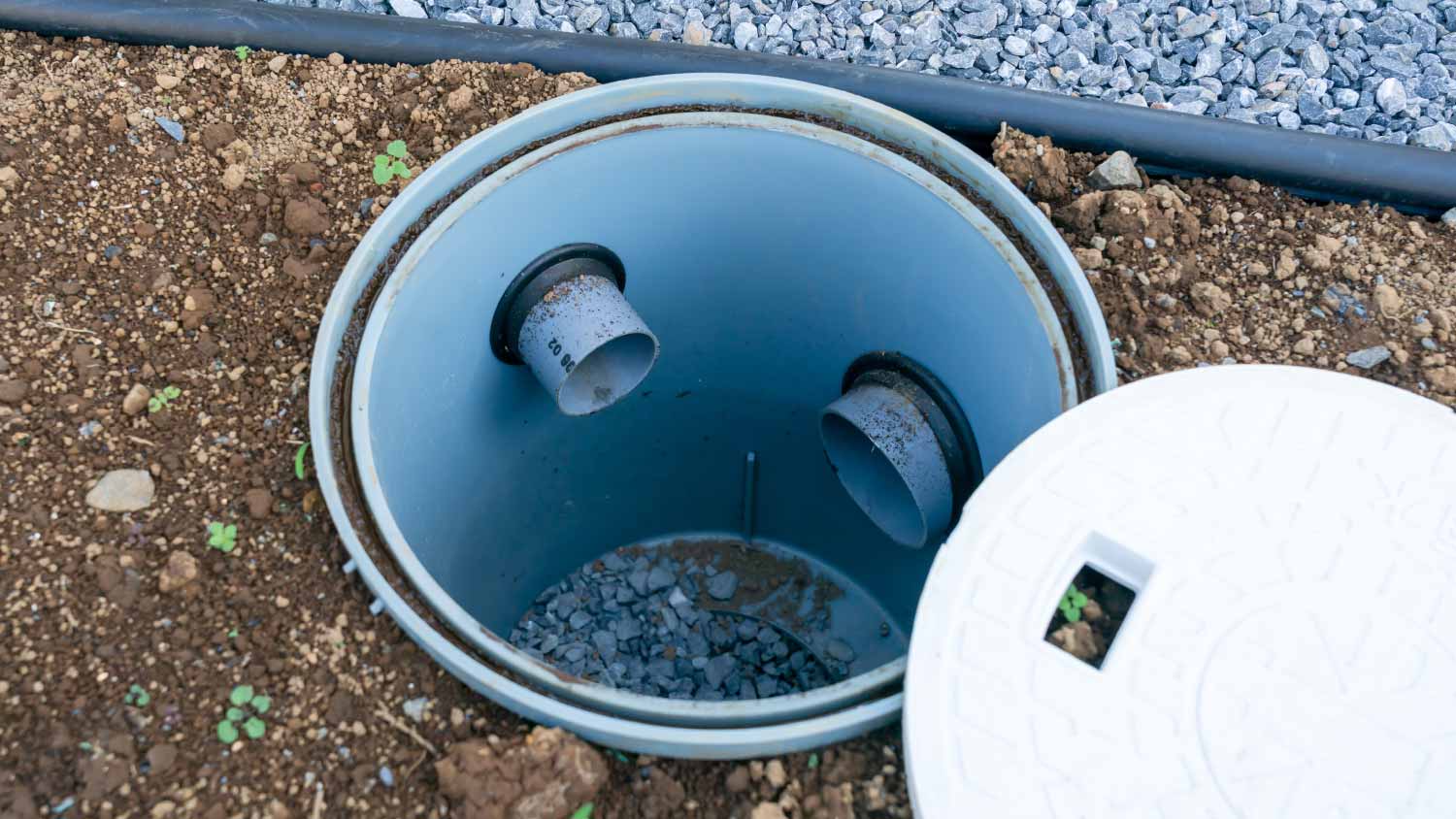
Dry wells are handy for anyone who’s experiencing drainage problems. But dry well installation costs can vary depending on its size, location, and volume.
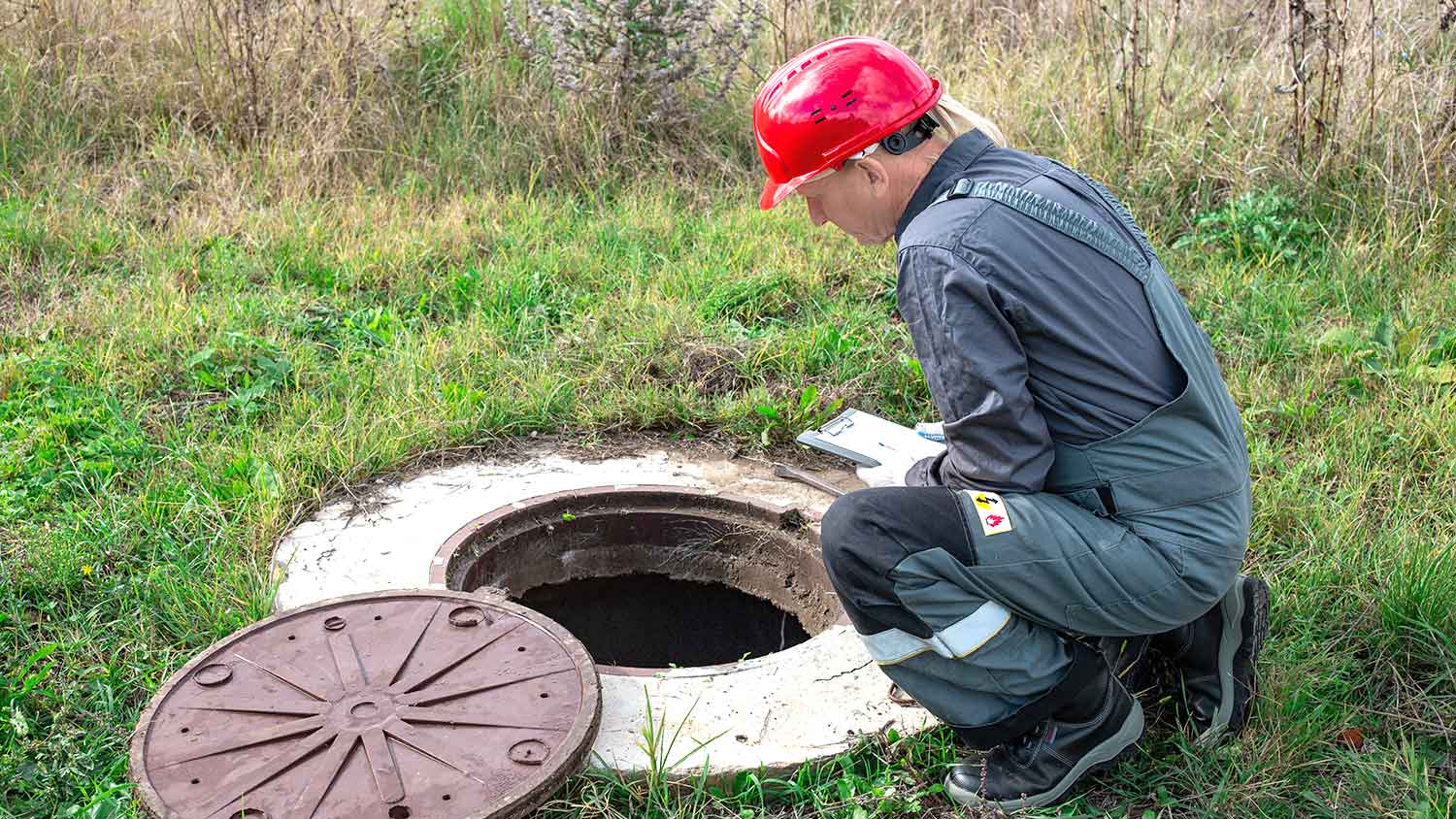
The cost of a well inspection depends on the design of your well, the location of your property, and the add-ons you select. Use this guide to plan your budget.
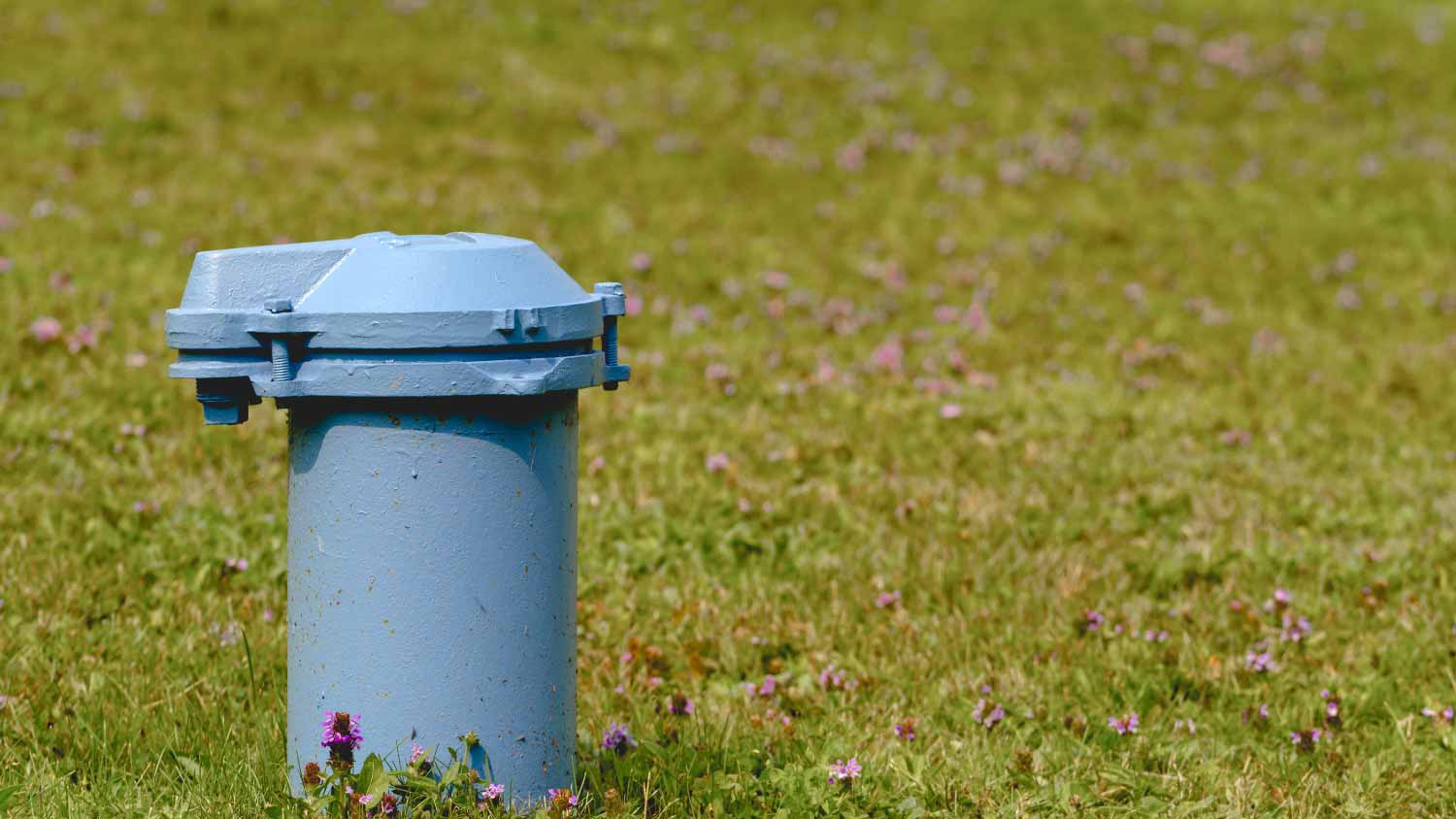
Ready to install a new well? Aside from finding out if you can drill your own well, we’ve got even more details on whether your state and city will allow it.
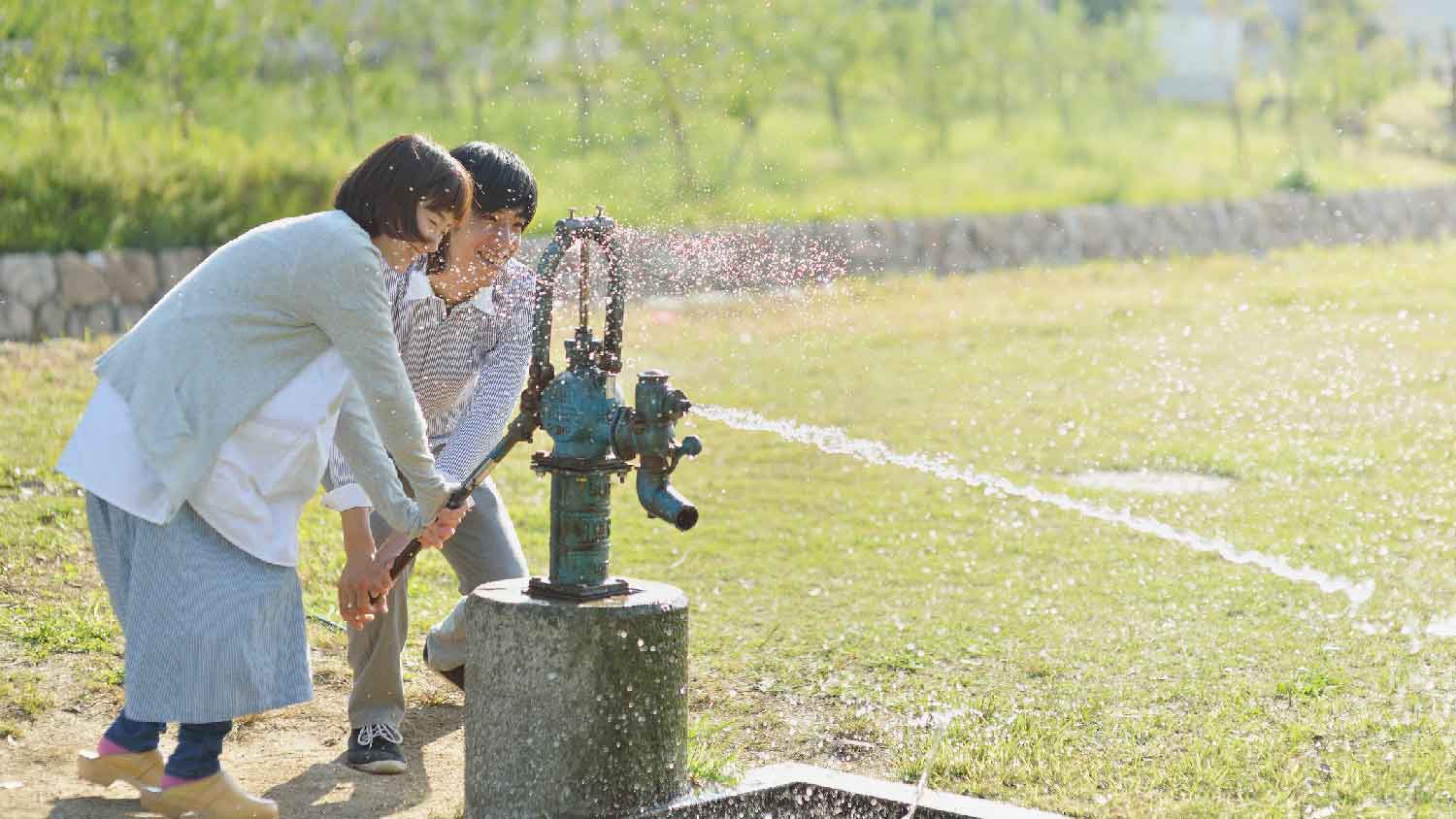
From costs to complexity and safety, uncover the realities of DIY well drilling. Learn when it’s wise to roll up your sleeves or when to call in a professional.

Can you have a well on private property? It all depends on local laws. Find out everything you need to know about whether you can dig a well on your property.