




Fire Pit Installation questions, answered by experts
One of the best ways to know your chimney is good to go on any given night is to simply look up into your flue with a flashlight. If you see a thick buildup of creosote—a shiny, dark substance that looks like tar—it’s best to have your fireplace professionally cleaned before you go ahead with the burn. Additionally, having your fireplace professionally inspected once per year can also help increase your peace of mind and keep your family and your home safe.
No. Pellet stoves are specifically designed to burn manufactured wood or biomass pellets. Attempting to burn other materials, such as regular firewood or paper products, can damage the stove, compromise its efficiency, and even pose safety hazards due to inconsistent combustion and increased emissions. It's crucial to follow manufacturer guidelines and only use pellets that are specifically recommended for your pellet stove model to ensure safe and optimal performance over its life span.
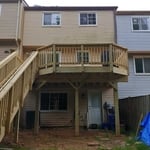
Yes, it is generally safe to have a fire pit on a deck, but you must adhere to building codes and take several safety precautions. For both built-in and freestanding models, you must use a heat-resistant barrier, such as a fire pit pad or heat shield, between the pit and the deck. Additionally, consider the weight of the fire pit and ensure your deck can structurally support it, reinforcing it if necessary. The fire pit must also be positioned a safe distance from your house, particularly from materials like vinyl siding, to prevent heat damage.
You can install your own fire door, but since it’s a safety measure in your home (and often the only way to passively slow down a fire), you should rely on professional door installers. These contractors know exactly what to do and how to do it, and in our opinion, their costs are worth every penny.
No, but they both serve distinct life-saving purposes. Smoke detectors primarily sense the presence of smoke, typically caused by a fire, and emit loud alarms to alert occupants to evacuate. In contrast, carbon monoxide detectors monitor the levels of carbon monoxide gas, an odorless and colorless but deadly substance produced by incomplete combustion of fuels. When CO levels become dangerous, CO detectors sound alarms to warn inhabitants of potential poisoning risks.

The Forestville, MD homeowners’ guide to fire pit installation services
From average costs to expert advice, get all the answers you need to get your job done.
A fire pit installation costs $850 on average but can vary by size, fuel type, materials, and more. See how much you need to budget for a new fire pit.
Discover fire door cost data, including installation, materials, and tips to save. Learn what impacts fire door pricing and how to budget for your project.
A fire pit adds attractive entertainment space to your backyard. Learn about standard fire pit dimensions and what factors contribute to fire pit size.
Learn how to enjoy the unique experience of lighting a fire pit in your backyard while staying safe and not letting a single ember get out of your control.