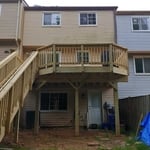
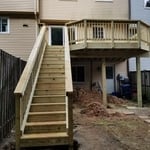
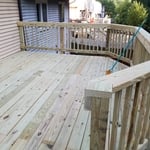
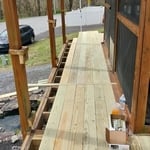
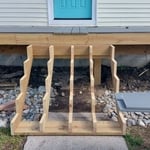
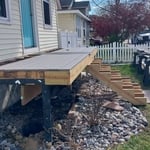
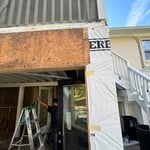
"Noel and his team did a speedy and fantastic job installing the fence. Would recommend, and I plan on calling him again when it’s time to re-do my deck."
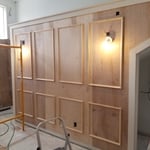
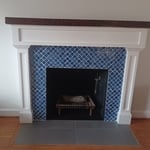
"We were delighted with the outcome of the installation of a new surround on our fireplace. This was a re-do of an initial installation by another contractor that did not work out too well! I was nervous about getting this done right and Kevin put me at ease immediately. He was precise, highly skilled, and very aware that we were not happy with the first installation. It turned out beautifully."
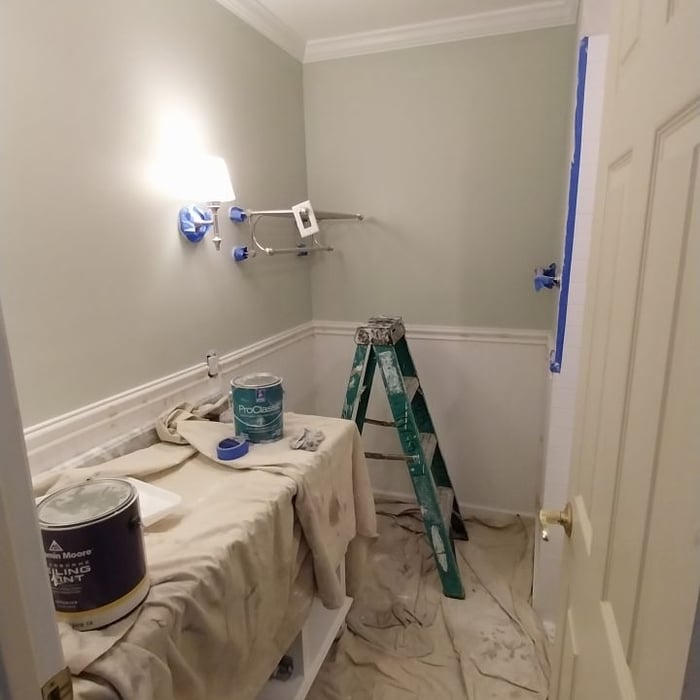
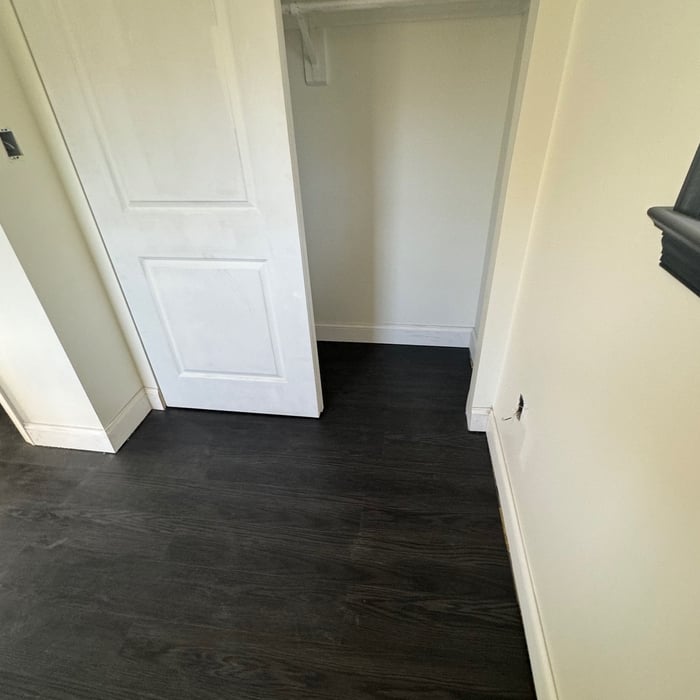
"Walter was great. He and his helper arrived on-time and spent the whole first day busy. The second day he brought a different helper. They were very neat and cleaned up and covered the floor areas and our bed. They put in a barn door and had to install a header with drywall. They moved one light and put in 5 new lights.They also fixed one bathroom faucet that the cold and hot water lines had been switched. I would definitely recommend him to friends"
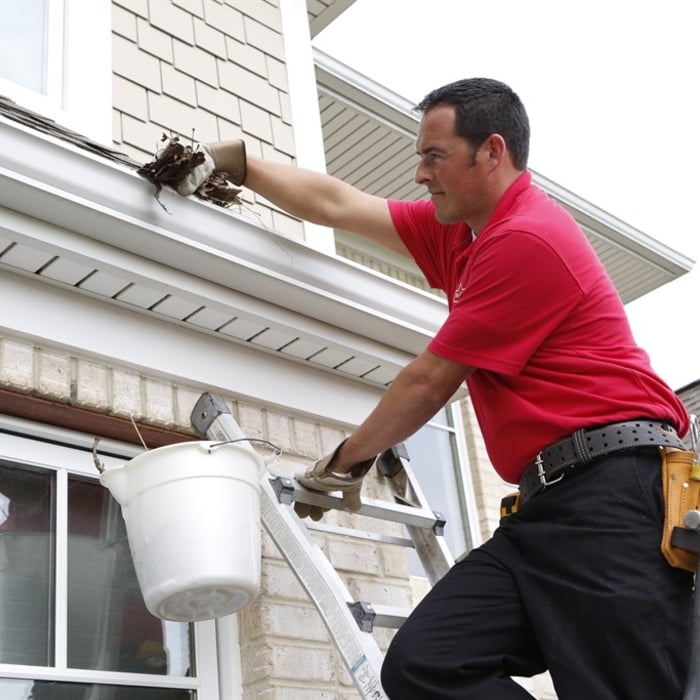
"I contacted LFC Services Inc on a Tuesday in reference to a bird that entered into the dryer vent on the side of my home. I explained the situation and what I needed done. LFC Services Inc. was able to accommodate me and came out the very next day and fixed the problem. Pedro was the person who came out and was very professional and courageous. The vent was a bit high on the side of my house but Pedro said that this will be easy. He completed the job to perfection. If anyone needs a home project or just a house issue LFC Services Inc. will definitely take care of you. Thank you very much Tony, George and Pedro."
"This was the very best contractor experience that I can ever remember. Mr. Smith (Bill) was on time for both estimate and work and took better than exceptional effort to leave the area even better than he found it. He was reasonable in pricing, installed per ADA standards, matched existing hardware and explained, from great experience, why we needed to modify the placement of the bars. BTW He was right! I would strongly recommend him for your future needs. You will not regret your selection. RDL"
Here at JJCS OF MARYLAND LLC We take great pride in our experience, expertise, quality and customer service, that we provide to meet the consumer's needs. It is our mission to provide excellent workmanship, and complete customer satisfaction, from start to completion of a project. In order to understand the needs and expectations of our customers, we take great care to work and communicate, with every customer in a professional manner. Our reputation is based on service, safety and quality, regardless of how large, or small the job. Call us today!
"I'm glad that I hired him (Alex), for multiple jobs like removing 2 old bedroom ceiling fans and istalling 2 bedroom ceiling light features, 2 bathroom lights, removed old Kitchen's countertop and installing new one ans some more. Alex is a polite, professional and honest handyman, quickly answer, ontime fast finishing, great price. I must hire him when need a handyman.I 100% recommend him."
Fire Pit Installation questions, answered by experts
It’s technically possible in some areas to install your own fire suppression system, but it’s usually not a good idea. Your system must conform to the fire code in your area and will need to pass a rigorous inspection before being activated and deemed safe. Installing a fire suppression system is a complicated job, and making mistakes as a DIYer is likely. Those mistakes can cause you to fail your inspection, which means you’ll have to spend more time fixing the issues or money to have a certified plumber do the work for you. It’s best to hire a professional.
You should schedule a fireplace inspection at least once a year, per the National Fire Protection Association (NFPA). However, this is the minimum requirement even if you’re diligent with fireplace maintenance between uses. If you suspect your fireplace is malfunctioning, schedule one sooner to avoid fire hazards or the release of harmful emissions like carbon monoxide in your home.
Regular HVAC filter changes, deep cleaning, and air quality monitoring help maintain a healthy environment.
You can install a range hood and use the vent to protect your kitchen cabinets from heat and steam from the stovetop. For added heat protection, homeowners can install metal heat shields to exposed sections of the cabinets. It is also essential to keep cabinet surfaces clean by removing any grease buildup that can cause a fire.
You can safely build a fire pit on your patio as long as you use porous, fire-resistant pavers or a fire pit mat over existing pavers. Otherwise, you’ll need to have exposed ground beneath your pit. You’ll also need to make sure the location for the fire pit is far enough away from your house and any other nearby structures.
The Capitol Heights, MD homeowners’ guide to fire pit installation services
From average costs to expert advice, get all the answers you need to get your job done.
Find out the average brick or stone fireplace installation cost in Baltimore, MD. Learn what you can expect to pay for local masonry and installation services.
Find out the average brick or stone fireplace installation cost in Washington, D.C. Learn what you can expect to pay for local masonry and venting services.
A fire pit installation costs $850 on average but can vary by size, fuel type, materials, and more. See how much you need to budget for a new fire pit.
A fire pit adds attractive entertainment space to your backyard. Learn about standard fire pit dimensions and what factors contribute to fire pit size.