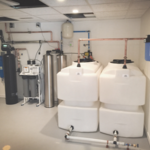
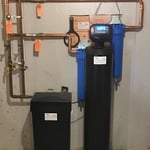
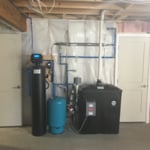
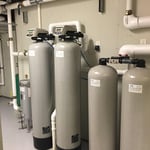
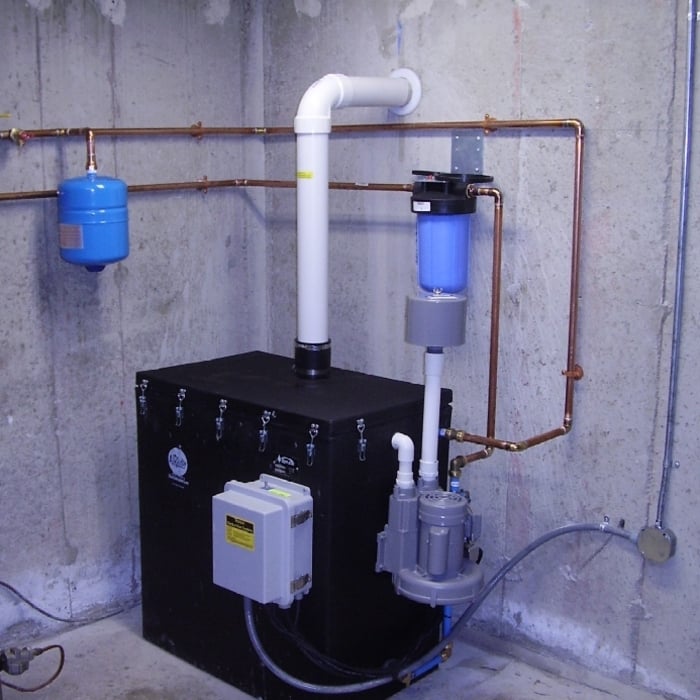
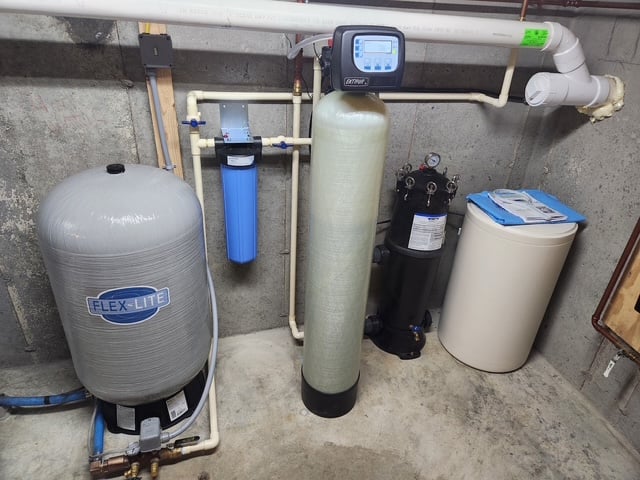
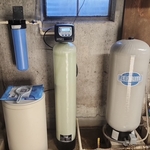
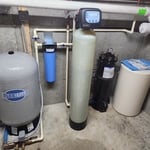
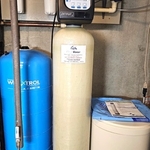
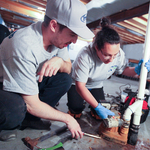
"Ryan came to house and reviewed our needs and what was available. Everything was explained to us so we understood what was to be installed and what what future services we would need (filter changes and when to expect the need to change filters). The filter system was installed the next week and was done in a professional manner. We would definitely recommend them for water filtration needs."
"Great experience with N&N Water Solutions! They serviced my water softener, were friendly and professional, and got everything working great. Definitely recommend them!"
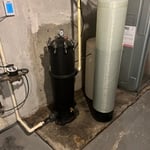
"My house had no water coming out of our faucets so I did some research and found Clear water and pump well service I called spoke to a nice ladyon the phone she made a appointment for the next day ,when the came and they told me it was the well water pump needed to replaced so they fixed it plus they also said needed to replace the well tank in the house and they fixed that too,. I highly recommend Clear Water and Pump &Well."
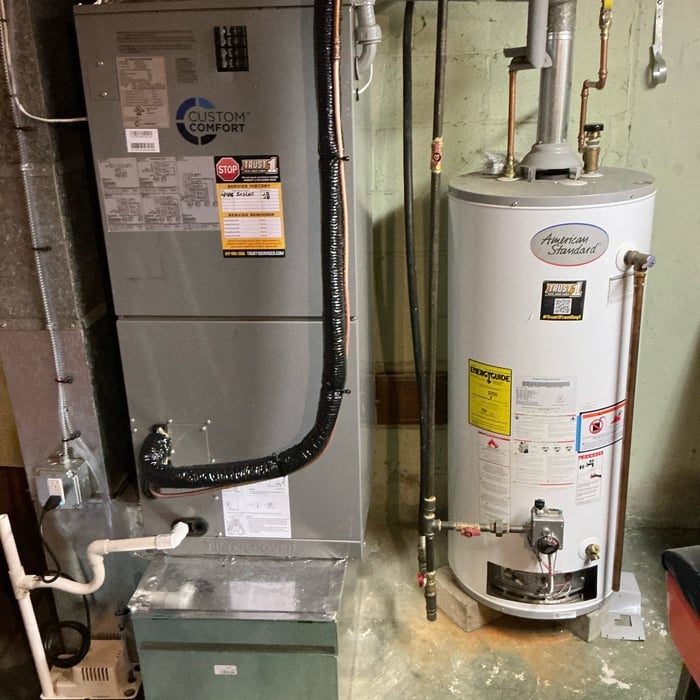
"They were very fast to respond to my call and were able to send someone within two hours. The replacement of the hot water heater went well. For the water pipes they use copper crimp fittings instead of soldering so it will be interesting to see how that holds up over the years. My only concern is how they ran the gas line. They use Gastite CSST which is fine, but the CSST is run so it goes downward then back up and then downward again before it enters black pipe that has a moisture trap. It seems to me that if there is any moisture it will end up in the CSST instead of the trap. In addition, there is a pretty good bend in the CSST right before it goes into the trap section. Also, Teflon tape was used on the all the joints instead of joint compound. I think I will get someone from a different company to come in and take a look at it."
"Clean Water Pump and Well Service was very responsive when I had no water. They even tried to guide me through solving the problem using Facetime over the phone. They are experts at what they do. I highly recommend them."
"Good experience overall. Micah was very knowledgeable. Was surprised to see that all of the suggested options were proprietary. Very expensive but seems like options would certainly address the needs I am seeking. Will possibly utilize one or two options/products but not all. "
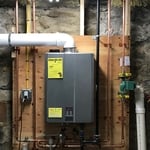
"Ryan and his team were friendly, knowledgeable, fast and the price was fair. They were available right away to fix my water heater issue. Great communication, honestly went above and beyond what we were expecting. We highly recommend them."
Whether you need a license or permit for water softener installation depends on your location. Some municipalities require the installer to hold a plumbing license, while others may only require a permit and an inspection. In some cases, both a permit and a licensed installer are necessary, and some areas have no requirements at all. Often, only certified plumbers and electricians are allowed to pull the necessary permits. To find out the specific regulations in your area, you can contact your local building department. Alternatively, a local water softener installer or plumber will be familiar with the requirements and can typically pull the permits for you. Regardless of local laws, it is always recommended to hire a licensed professional to ensure the system is sized and installed correctly. You can use tools like Angi’s state licensing tool to verify an installer's license status.
Because it’s been through the water cycle, evaporating and becoming slightly acidic thanks to dissolved carbon dioxide in the atmosphere, rainwater tends to be naturally soft compared to groundwater, which has just been in contact with limestone. However, the natural hardness level of water always depends on where you are and other factors.
The main difference between a water softener and a water filter is what they remove from the water. A water softener is specifically designed to remove hard minerals, while a filter removes a wider range of contaminants above a certain size, such as bacteria and other impurities. If your primary goal is to remove minerals, a softener is the best choice. If you want to remove various contaminants for safety or taste, a filter is more suitable. Filters are also typically less expensive to install. Depending on your water supply's specific issues, you may need to install both systems for comprehensive treatment.
A single shower consumes an average of over 17 gallons, while brushing your teeth with the water running uses up to four unnecessary gallons. Watering the lawn spreads hundreds of gallons of water across the yard each time. Limiting water usage in these areas can significantly cut down your water bill.
Hard water is not considered unhealthy and is safe to drink, cook with, and bathe in. It doesn't pose a risk to your physical health and can even help you get enough essential minerals like calcium in your diet. However, it can negatively affect skin and hair. Using hard water for washing can contribute to dry skin, an itchy scalp, and may worsen conditions like eczema by altering the pH balance. Additionally, some people do not like the taste of hard water.
The Hull, MA homeowners’ guide to water softener services
From average costs to expert advice, get all the answers you need to get your job done.
How much a water softener costs in Boston, MA, depends on your home’s size and the system’s type and capacity. Our expert guide explores all the price factors.
Learn about water filtration system costs in Boston, MA, average prices, key cost factors, and ways to save on installation and maintenance for your home.
Water softeners work to remove unwanted minerals from hard water through a filtration and recharge cycle. Keep reading to learn how a water softener works.
There are four common softener alternatives available on the market today. We compare and contrast each one to help you find your best-fit solution in this blog.
Water softeners rid your home of hard minerals and, well, soften your water. Even better, the regeneration process is an automatic cycle that works when you’re least likely to use it.