
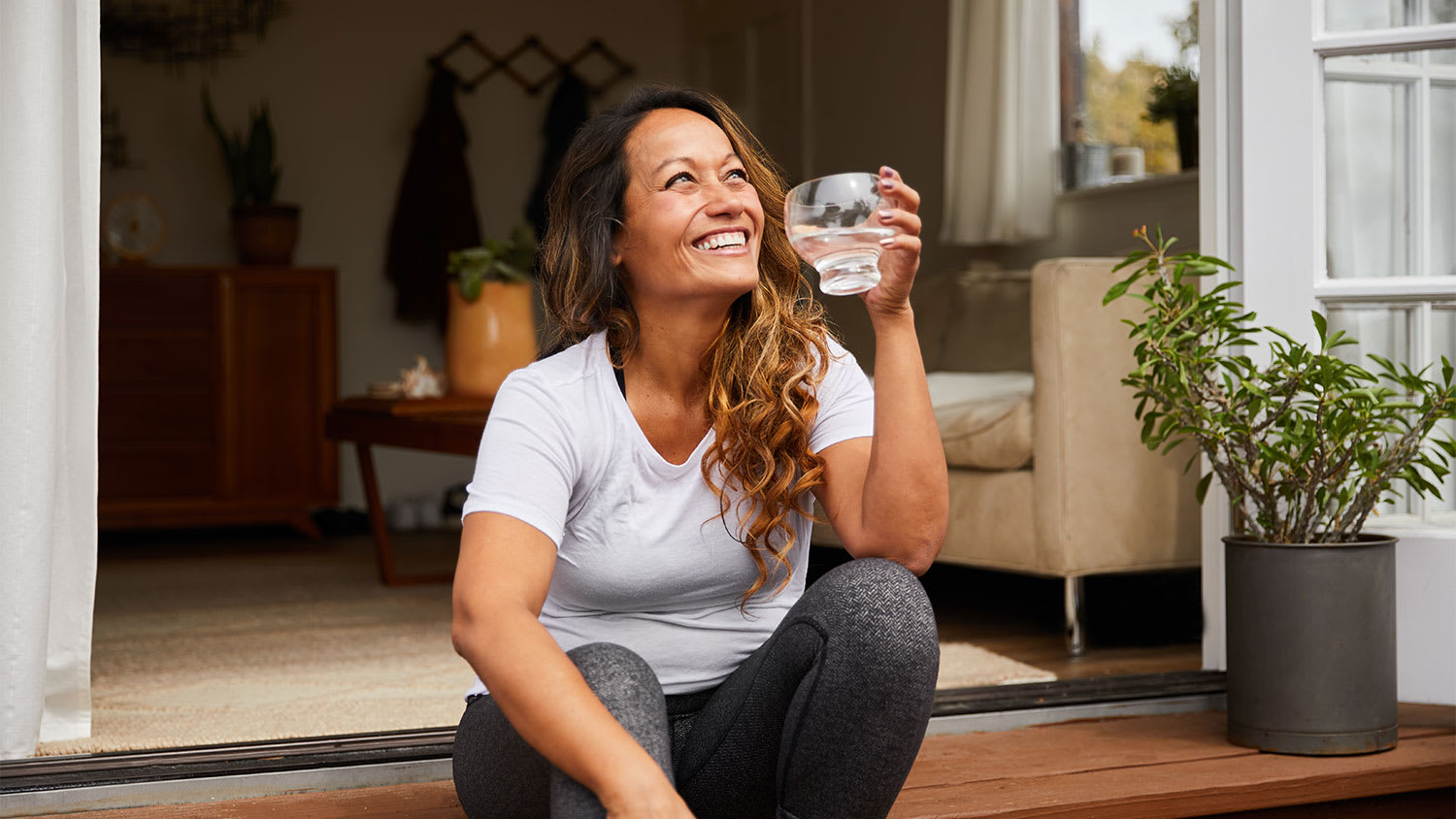
The pH of drinking water is important for many reasons, including taste. But balancing your water’s pH will also keep you, your family, and your home healthy.
Take your water from dirty to drinkable

Boiling water for making water safe to drink kills harmful microbes, but you need to filter it first to remove metals like lead or copper.
Cloudiness, discoloration, or unusual odors in your home water signal contamination, so testing confirms the best treatment method for your situation.
Chlorine bleach, iodine solutions, and water purification tablets offer temporary fixes when you need drinkable water during emergencies or natural disasters.
Hiring a local water softener installation professional provides reliable guidance on choosing the right filtration system and completing installation for long-term water quality.
When your home’s water quality isn’t up to par, you could be putting your health at risk every time you drink a sip of water, brush your teeth, or prepare food. Thankfully, there are simple options for improving your water, including boiling it and using chlorine bleach. Below, we’ll dive into five ways to make water safe for drinking and protect yourself from disease-causing germs.
Your home’s water can become contaminated after a natural disaster (such as a flood or hurricane) or problems with your local water supply (like broken pipes or equipment failures). If so, consuming that water in any manner—including by drinking it, brushing your teeth with it, or washing dishes with it—could make you sick.

The top methods you can use to make water safe for drinking include boiling it, using chlorine bleach, using iodine, using water purification tablets, and installing a water filtration system.
It’s a tried-and-true method for a reason: Boiling water makes it too hot for microbes to survive, which minimizes your chance of getting sick from drinking the water. Here are some tips for how to make water safe for drinking at home by boiling it:
Using an electric kettle is the easiest way to boil water for drinking, but you can also boil it in a steel pot or stovetop kettle.
Otherwise, you could use your microwave—as long as you put the water in a microwave-safe bowl that won’t melt and potentially contaminate the water.
If you're 6,500 feet or less above sea level, bring the water to a rolling boil for at least 1 minute. Boil it for at least three minutes if you're more than 6,500 feet above sea level.
Let it cool and store it in a clean container with a cover.
While boiling may effectively kill bacteria, it doesn't remove metals from your water. To get rid of lead, copper, or other metal particles, you'll need to use a water filter that can remove metals. If you don't have one, you can filter the water through a clean, tightly woven cloth to catch large particles.
Alternatively, you can use chlorine bleach to disinfect small quantities of water. According to the Centers for Disease Control and Prevention (CDC), this method kills most harmful viruses and bacteria, but it’s not as effective as boiling for more resistant types of germs.
If you're using bleach with a 5% to 9% concentration of sodium hypochlorite (the most common type in the U.S.), the CDC recommends adding eight drops of bleach (just under 1/8 teaspoon) for every gallon of water. If the water is cloudy, murky, or very cold, filter it through a clean cloth or paper towel first. Then, add double the recommended amount of bleach.
Hikers often carry an iodine solution to rid water of specific organisms while they’re on the trail, and you can do the same thing at home. Iodine products come in different forms, but they often involve mixing a tablet or solution into water, then letting it sit for about 30 minutes.
According to the CDC, iodine solutions aren’t suitable for people with thyroid issues, pregnant people, or anyone sensitive to iodine. They aren’t recommended for long-term use, either.
Like iodine, water purification tablets are commonly used by campers and hikers to create potable water. When combined with water, these easy-to-use tablets release chemicals that kill potentially harmful pathogens, such as viruses, bacteria, and protozoa. They take between 30 minutes and several hours to work.
There are many types of water purification tablets available, including:
Chlorine tablets
Chlorine dioxide tablets
Iodine tablets
Each type is effective against certain pathogens, so before choosing one, it might be worth testing your water to identify specific bacteria and gauge your water’s pH level. If Cryptosporidium is present, chlorine and iodine won’t work against it (but chlorine dioxide will).
If you’re trying to boost your everyday water quality, a water filtration system is a great option. Different types of water filters can remove various contaminants from your home’s water supply, including bacteria, viruses, heavy metals, chemicals, and sediment.
They come in a range of sizes, including refrigerator water filters and under-sink filters, which are compact and provide clean drinking water for your household. Alternatively, you can install a whole-house filtration system to get clean water in every faucet and fixture throughout your home—not just in your kitchen.
Not sure which type to choose? Contact a local water softener installation company to figure out the best option based on your budget and needs.

During or after an emergency, your local health department or water company may issue an alert if your water becomes unsafe for drinking. However, you should also look out for common signs of poor water quality, such as:
Cloudiness or murkiness
Discoloration
Unusual smells, like chlorine or rotten eggs
If you’re unsure, contact your health department or water provider. You can also perform a water quality test and use one of the above methods until you find out the results.
According to Angi customers, 36% of homeowners notice strange tastes or odors in their home’s water—from rotten egg or chemical smells to metallic or salty flavors. These signs could point to plumbing corrosion, bacteria, or other water quality issues. It’s best to hire a professional who can quickly diagnose the problem and protect your home’s water supply.
Unfortunately, you can’t always prevent your water from going bad due to the unpredictable nature of natural disasters and public water supply issues. However, you can keep bottled water on hand in case of an emergency. Or, if you’re concerned about wasting plastic, you can fill reusable bottles before a storm arrives.
According to the CDC, it’s best to store water somewhere cool (between 50 degrees and 70 degrees Fahrenheit) and replace it every six months. Make sure it’s tightly sealed, out of direct sunlight, and away from toxic chemicals, such as gasoline, pesticides, and cleaning products.
If you’re good people wanting to do business with good people, hire Matt. He is a consummate professional and utterly competent. He installed a water heater in my home at a price that beat competitors by hundreds of dollars with a promise to support the unit for its life (even after its 6 yr...
 Greene's Plumbing Services
As usual with ECO, tech Jordan was outstanding, very professional, very knowledgeable, and very thorough with repairs made to tankless water heaters. Very highly recommend ECO!!!
 Eco Plumbers, Electricians, and HVAC Technicians
Did a great job replacing the ice maker and water regulator on my refrigerator. He was quick and thorough, very friendly and professional. If I needed a heart transplant I'd want him to do it!!!
We had a gutter blockage that was causing water to sheet down the side of the house and ultimately it started to come in at a window (need mortar people next). Called around 7:30am, and he responded by 8am. He was able to come out the same morning and do a look over and clean out. He also...
Scott checked our large crawl space for mold and water infiltration and recommended a viable solution. The crew was efficient and they cleaned up well after the job. The job was expensive but I am confident that I won't have to deal with the problem again. Highly recommend.
 AdvantaClean of Dublin
They were the most through inspecting the water system in my house. Even going the extra mile to get the water professionally tested for contamination.
 Hague Water Conditioning, Inc.
It went very well. The drain is absorbing all the access water. I had other estimates a year earlier and Hughes was right on. I will use them, again.
 Hughes Construction Co
Very well. Have already used them again to fix hot water heater
 Service Olympians
The Paul Davis team was very professional and went the extra mile to take care of my water damage. The work was very high quality and done in a timely manner. I would highly recommend their services.
 Paul Davis Restoration
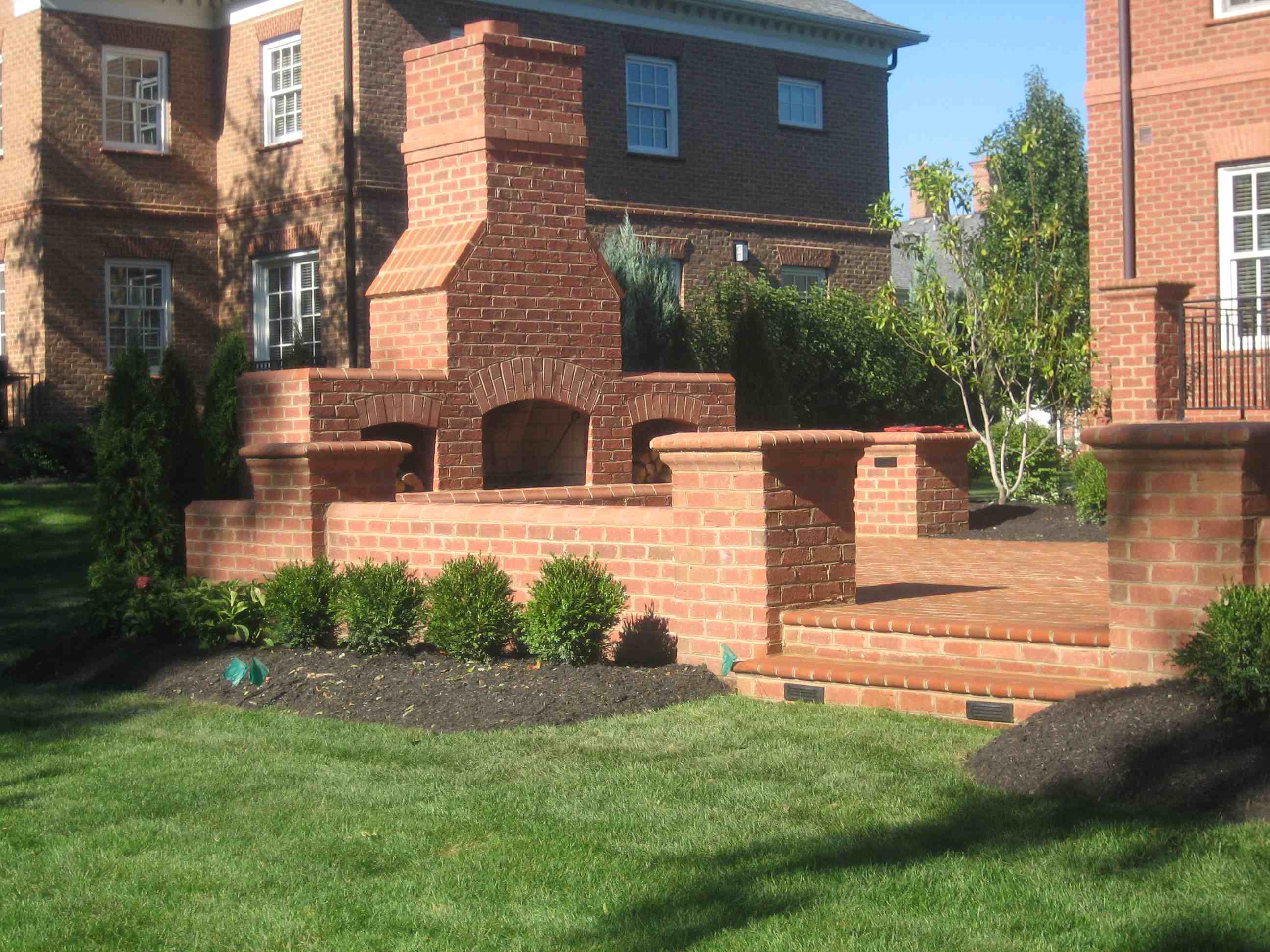
Honesty is hard to find in business today. GBR met me today at a 3 story building regarding my being told that I needed to tuckpoint the brick because of water leaks. The owners took the time to evaluate the situation and advised me that I did not need their service at all. They pointed me...
 GBR Masonry Inc
From average costs to expert advice, get all the answers you need to get your job done.
The pH of drinking water is important for many reasons, including taste. But balancing your water’s pH will also keep you, your family, and your home healthy.
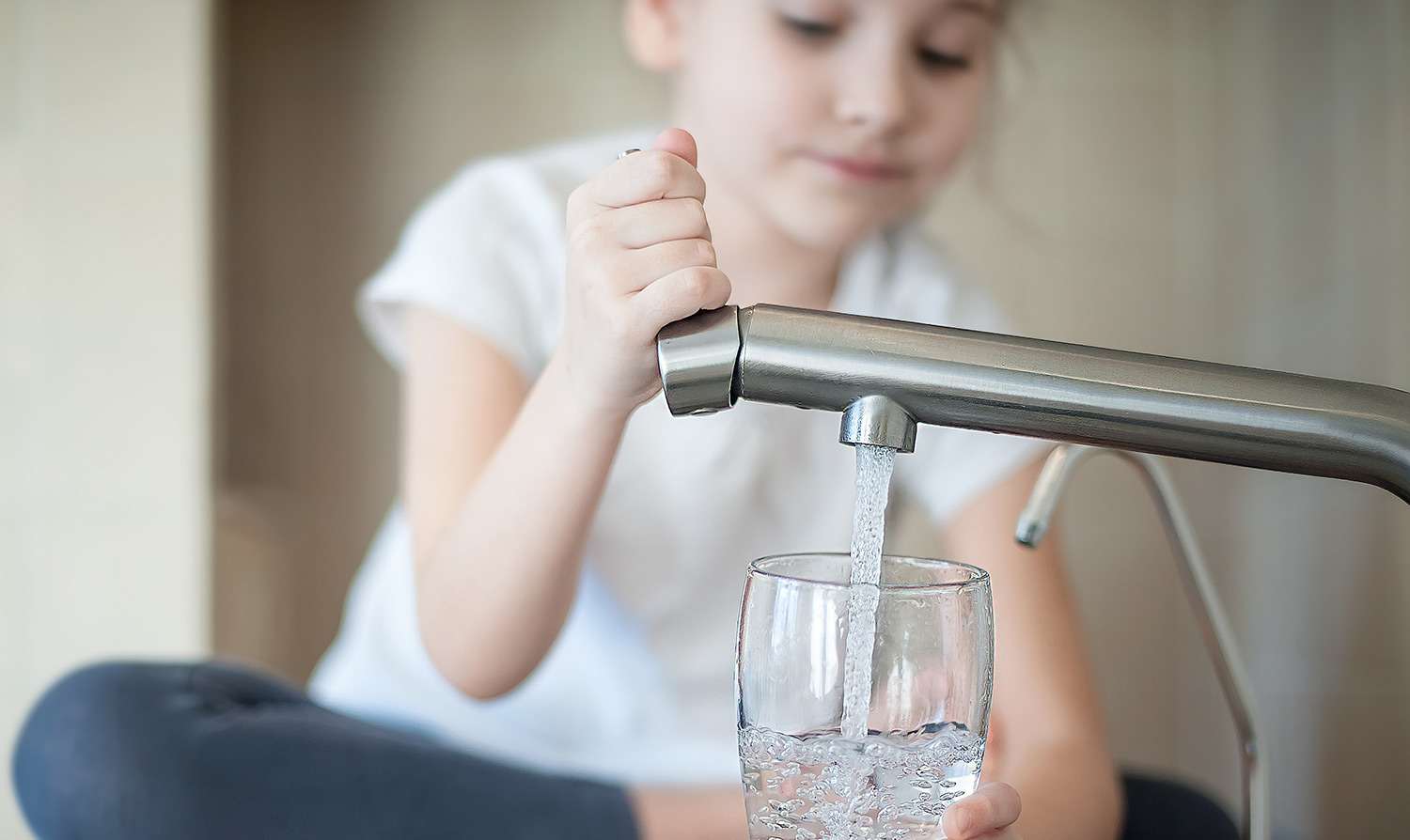
PEX pipes are easier to install and less likely to burst and leak than copper, but is PEX safe for drinking water? Find out in this handy guide.
Whether you have a fridge filter, pitcher filter, or end-of-faucet filter, learn how to clean a water filter to ensure pure, fresh water with these steps.
Safe drinking water is essential to a healthy household, but knowing which water treatment system to get can be an intimidating and confusing process. Check out these seven tips to help you get the right water treatment system for your home.
Shocking your well can help clear it of harmful bacteria like E. coli, and it’s a process you can do yourself with simple household bleach. Here’s how.

The perfect backyard pond is not complete without proper protection. Safeguard kids and pets from water hazards with these six pond safety ideas.