
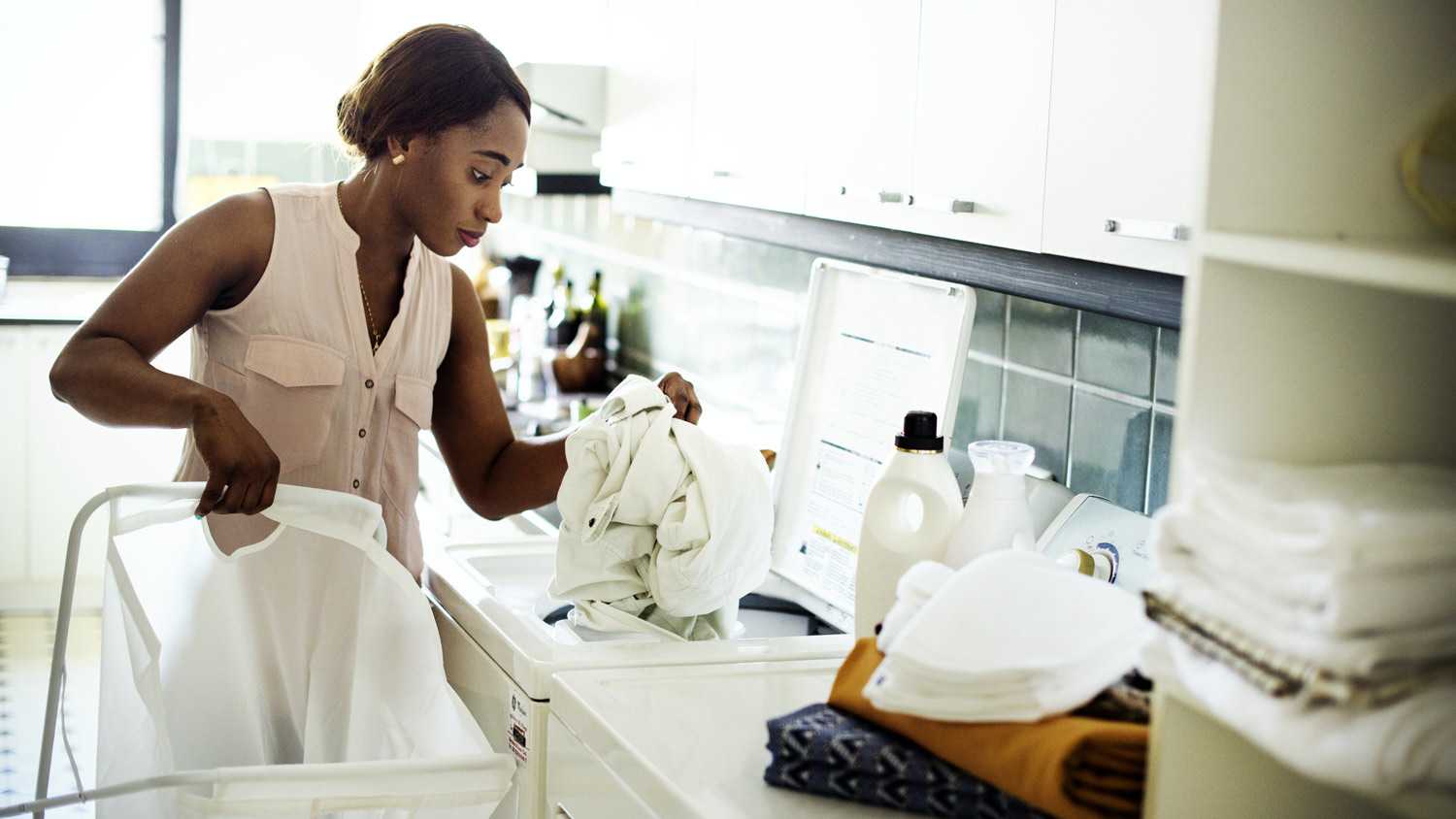
Learn if you should worry about hard water harming your appliances. Hard water can lead to repair and replacement costs for dishwashers, washing machines, water heaters, and more.
Like the bad guy in a movie, even the hardest water can be softened up

Hard water is caused by minerals that make water hard, most often calcium and magnesium that naturally dissolve when groundwater flows through limestone bedrock in your area.
Expect to pay $200 to $6,000 for water softener installation, with costs depending on whether you tackle it yourself or hire a professional for the job.
Your hard water problems like mineral stains, soap film, and scale buildup respond well to ion exchange water softening systems that remove excess calcium and magnesium.
Hiring a local water softener installation professional keeps sizing, installation, and setup simple while ensuring your system works efficiently to protect your appliances and plumbing.
“Hard water” might sound like an oxymoron—unless something is really wrong, you probably don’t have ice flowing out of your spigots. But water’s “hardness” doesn't refer to its physical state—it refers to the water’s mineral content. The more minerals that are in your water, the higher the water’s level on the hardness scale. Hard water isn’t a health hazard, but it can be a nuisance. Let’s take a closer look at what causes hard water and how to get rid of it.
Hard water is caused by a higher level of mineral content in the liquid water. Most commonly, those minerals include calcium and magnesium, but other minerals and metals can also contribute to hardness. Although less common than calcium and magnesium, these may include:
Aluminum
Barium
Iron
Manganese
Strontium
Zinc
Groundwater naturally varies in hardness level depending on where you live. Water supplies that flow through limestone bedrock are often higher on the hardness scale.
Fortunately, hard water is not considered a health risk. Elements like calcium and magnesium are actually important to human health. Those that can be hazardous, like aluminum, are present at such low concentrations they don’t pose a threat. Hard water can, however, be drying to your skin and scalp when you bathe in it, and it can cause a number of problems around your home, too.
A water softener can help increase the life span of your plumbing, your water heater, and even your clothing.

While there is such a thing as a water hardness test kit—which can tell you definitively where your water sits on the hardness scale—chances are you’ll notice it in your home by one of the following telltale signs.
You’ll likely notice this sign first in toilets, sinks, and around bathtubs. That rusty-looking ring is likely the result of mineral buildup, and you probably already know how difficult it can be to remove hard water stains. (Insider tip: A fizzy mix of vinegar and baking soda can help.)
Have you ever gone to put away a freshly cleaned load of dishes only to discover that the glasses are covered in white film or spots? Or maybe you’ve noticed your clothes are fading at a rapid pace when you wash them. Your towels might even be losing their fluffiness and absorbency. All of these problems can be a result of hard water.
When you pick up your bar of soap to wash your hands or massage shampoo into your hair, you might notice you’re not getting that satisfying soapy lather you’re used to—another common indicator of hard water. In fact, hard water actually makes soap scummier and more likely to stick to shower walls, clothes, and skin, which means you need a whole lot more soap to get the job done. And that, in turn, means spending more on soap than you need to.
Perhaps the most insidious of hard water’s signs, you may notice the buildup of scale—a hard, white crust that’s difficult to remove—in your dishwasher, ice machine, coffee maker, or around pipe drains. Along with being unpleasant to look at, scale can also reduce the efficiency and longevity of your appliances, which is one of the main reasons homeowners want to soften their water.

So, how do you get hard water to soften up? Fortunately, water-softening systems can help. Using a process called ion exchange, water softeners remove excess mineral buildup from your water, softening it in the process.
There are several different types of water softeners on the market. However, in some areas, water softeners are banned because many of them drain a concentrated, salty wastewater product that can be difficult for water treatment plants to handle. If they’re allowed in your area, installing a water softener costs between $200 (with DIY labor) and $6,000 (with professional installation). However, a water softener will likely save you money in the long run on cleansers and appliances.
Your local water softener installation company can help answer any questions you have and get the installation process started. They can also help you figure out how to properly size a water softener to ensure you get the right one for your household’s needs.
A home filtration system and water softener can greatly improve the quality and safety of your water at a relatively low cost. Compared with purchasing bottled water for drinking and cooking, replacing expensive appliances, and time spent cleaning showers and bathrooms, water filtration and softening equipment can be very cost-effective.
If you’re good people wanting to do business with good people, hire Matt. He is a consummate professional and utterly competent. He installed a water heater in my home at a price that beat competitors by hundreds of dollars with a promise to support the unit for its life (even after its 6 yr...
 Greene's Plumbing Services
As usual with ECO, tech Jordan was outstanding, very professional, very knowledgeable, and very thorough with repairs made to tankless water heaters. Very highly recommend ECO!!!
 Eco Plumbers, Electricians, and HVAC Technicians
Did a great job replacing the ice maker and water regulator on my refrigerator. He was quick and thorough, very friendly and professional. If I needed a heart transplant I'd want him to do it!!!
We had a gutter blockage that was causing water to sheet down the side of the house and ultimately it started to come in at a window (need mortar people next). Called around 7:30am, and he responded by 8am. He was able to come out the same morning and do a look over and clean out. He also...
Scott checked our large crawl space for mold and water infiltration and recommended a viable solution. The crew was efficient and they cleaned up well after the job. The job was expensive but I am confident that I won't have to deal with the problem again. Highly recommend.
 AdvantaClean of Dublin
They were the most through inspecting the water system in my house. Even going the extra mile to get the water professionally tested for contamination.
 Hague Water Conditioning, Inc.
It went very well. The drain is absorbing all the access water. I had other estimates a year earlier and Hughes was right on. I will use them, again.
 Hughes Construction Co
Very well. Have already used them again to fix hot water heater
 Service Olympians
The Paul Davis team was very professional and went the extra mile to take care of my water damage. The work was very high quality and done in a timely manner. I would highly recommend their services.
 Paul Davis Restoration
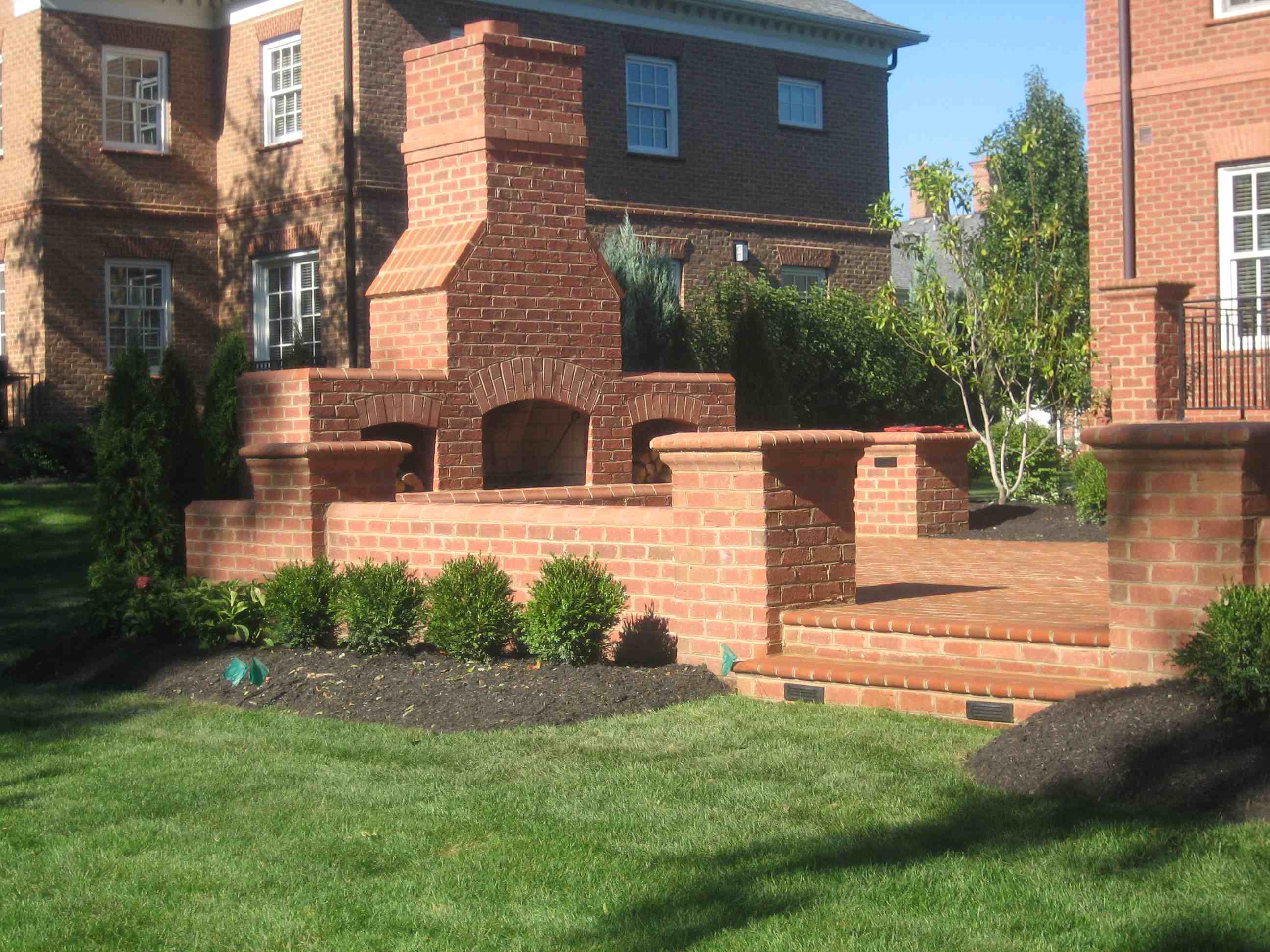
Honesty is hard to find in business today. GBR met me today at a 3 story building regarding my being told that I needed to tuckpoint the brick because of water leaks. The owners took the time to evaluate the situation and advised me that I did not need their service at all. They pointed me...
 GBR Masonry Inc
From average costs to expert advice, get all the answers you need to get your job done.
Learn if you should worry about hard water harming your appliances. Hard water can lead to repair and replacement costs for dishwashers, washing machines, water heaters, and more.
Tired of finding hard water stains around your home? Learn how to remove hard water stains from toilets, shower doors, counters, and more.
What is hard water? It contains high levels of minerals that dry skin and hair, stain dishes and clothes, and limit the life span of plumbing and appliances.
Hard water can make your dishes look grimy. Luckily, there are several quick and long-term ways to prevent hard water from leaving white residue on your dishware.
Looking for tips on how to treat hard water? This guide explains the best options, including installing a water softener, adjusting your water heater, and more.
Is hard water bad for you? Not to drink, but it can dry out your skin and create problems for your household appliances. Here’s what you need to know.