








Top-rated septic tank pros.

Get matched with top septic tank pros in Oregon, IL

Enter your zip and get matched with up to 5 pros

Need a pro for your septic tank service project in Oregon, IL?

Select your specific project to find the pro for you.

Find Septic tank pros in Oregon

Avatar for GPD Septic Excavating - Startseite  Facebook
GPD Septic Excavating - Startseite Facebook
5.0(
5
)
Septic System - Repair

Serving Oregon, IL and surrounding areas

In business since 1997

Free estimates

Credit card accepted

"Great People to work with from start to finish. They did an excellent job at a reasonable price making quick work of replacing a distribution box in our septic system. They know their stuff and I would absolutely call them again should the need arise. Thanks Guys!"
Response time1 day
Recommended by100%of homeowners

Plumbing Help & Co.
New to Angi
Septic System - Install or ReplaceSeptic System - Repair

Serving Oregon, IL and surrounding areas

Hi, I’m a skilled and reliable plumbing professional serving the Chicagoland area. I specialize in residential and light commercial work, including repairs, installations, and troubleshooting everyday plumbing issues.\n\nI take pride in doing the job right the first time, showing up on time, and communicating clearly so there are no surprises. Whether it’s a small fix or a bigger project, my goal is to provide quality work, fair pricing, and service you can trust.\n\nI look forward to helping you keep your plumbing running smoothly.

Septic Tanks questions, answered by experts

Yes. Amongst the four most common types of septic tanks—plastic, fiberglass, concrete, and steel—those made of concrete are the most expensive. This is the case for a few reasons, including the fact that they’re very heavy, so pros have to use specialized equipment to install them. However, they’re also incredibly durable, making the price worth it if it’s in your budget.

Septic drain lines (or leach lines) are typically buried between 18 and 36 inches underground, and should be at least 6 inches below the surface. These pipes are perforated and surrounded by filtering materials like sand or gravel. Burying the lines at this depth helps minimize odors and allows bacteria and other biological processes in the soil to effectively treat the wastewater. Burying lines too close to the surface can cause issues unless the soil is very compact and stable.

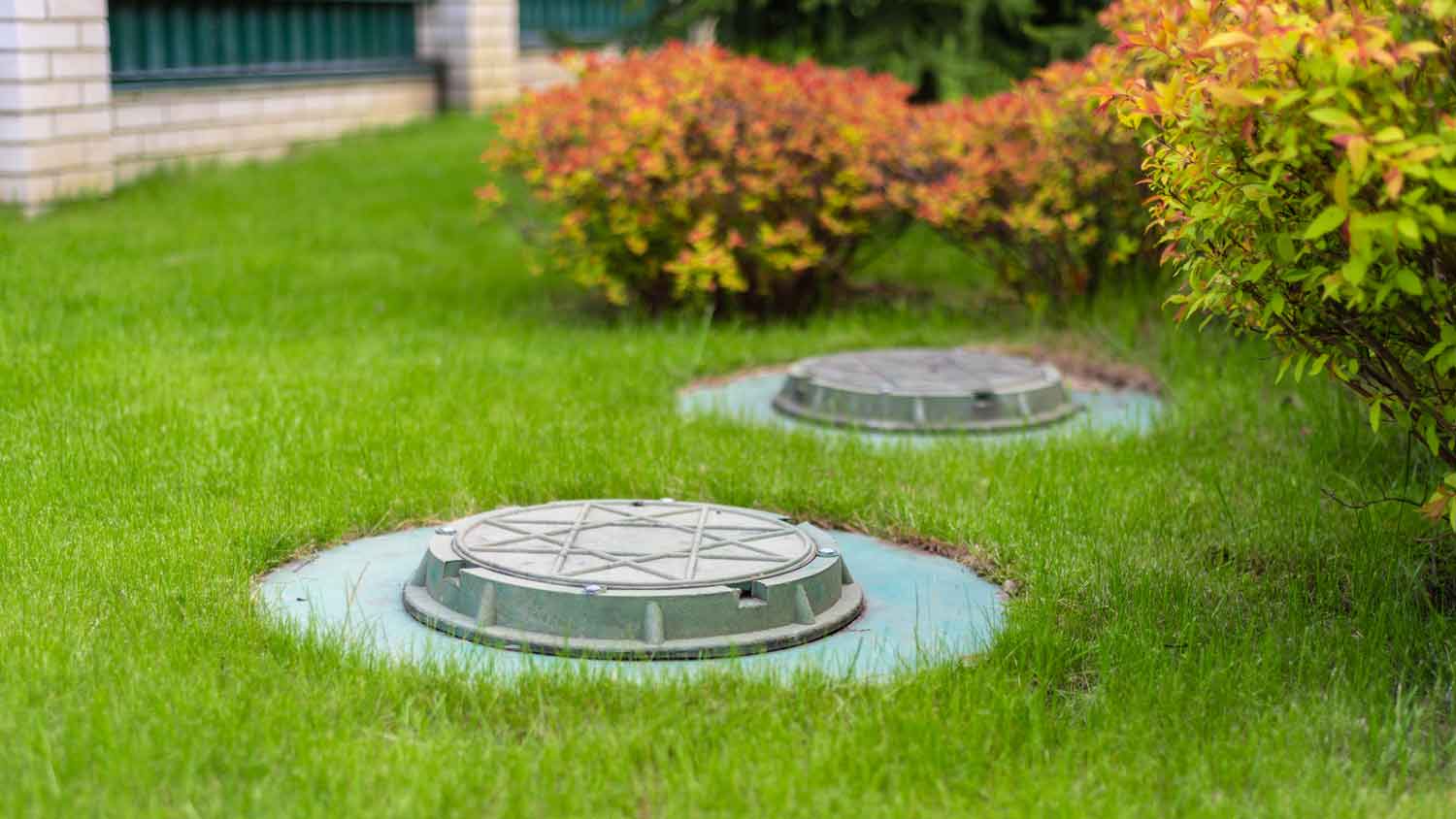
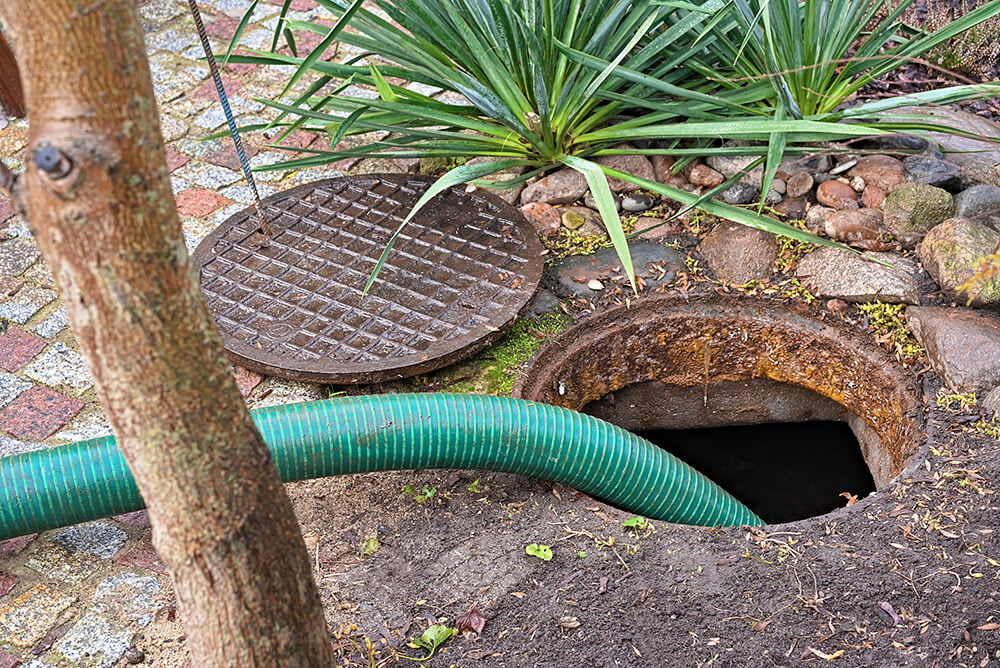
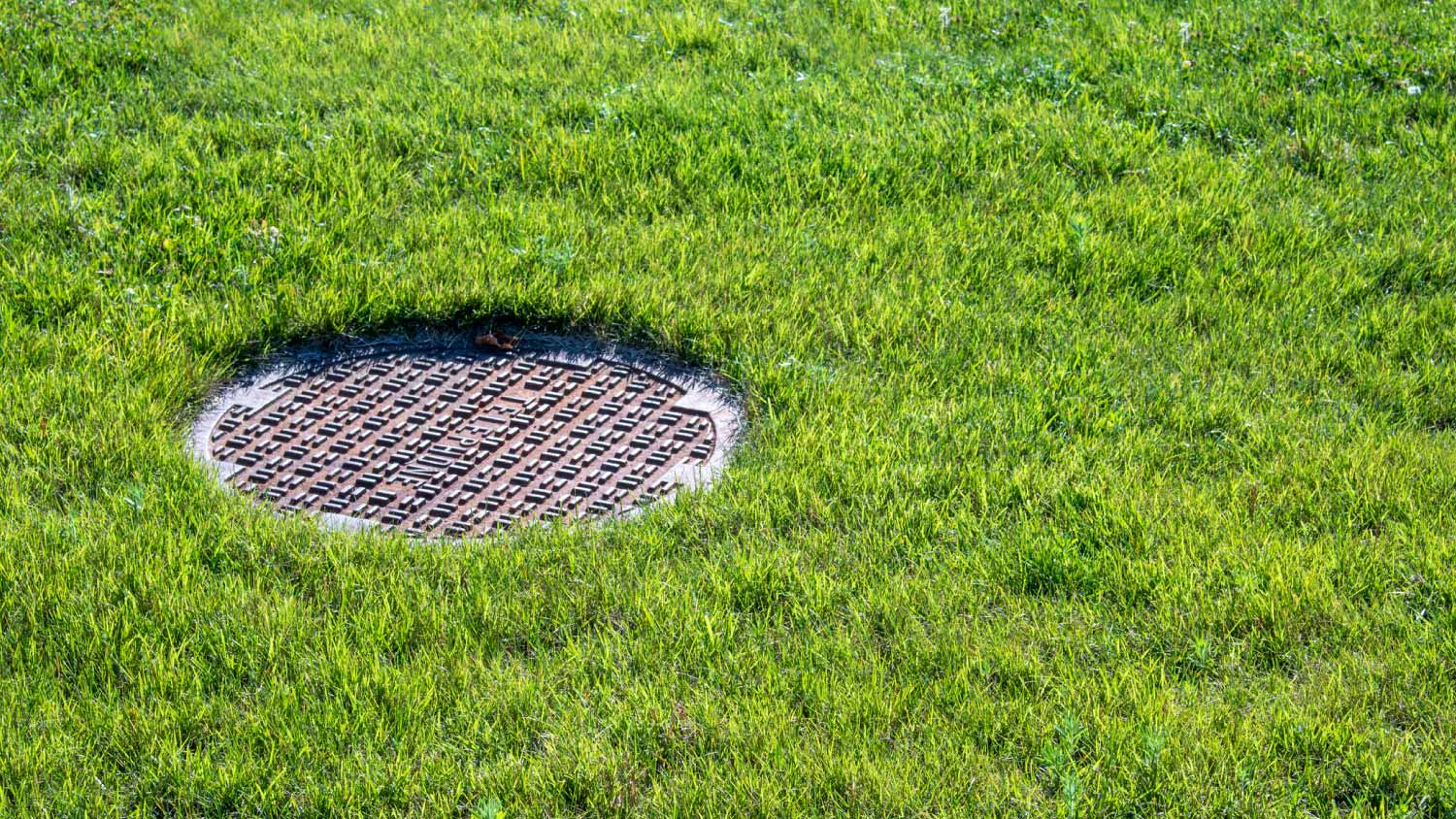
You can find your septic tank using a few different methods. For one, you can check your property records at your local municipal office. You can also inspect your yard looking for a depression, a septic tank lid, or lush septic-area vegetation which would indicate a leach field. You can also follow your pipes from the home to the yard. If you can't find your septic tank on your own, a local septic pro can help.

The purpose of a septic tank is to allow solid wastes to separate out of the wastewater using time, gravity, and other natural biological processes. If your septic tank is too small, it might be overwhelmed by solid waste and unable to accomplish this task—and if it’s far too large, there won’t be enough liquid in the tank to nurture the necessary bacteria to aid in the breakdown process.

Yes, it is possible to pump a septic tank too frequently. The ideal pumping schedule varies based on the tank's capacity, household size, and water usage. Pumping the septic tank more often than recommended can cause the beneficial bacteria to leach into the drain field, leading to an imbalance and a build-up of solid waste.

The Oregon, IL homeowners’ guide to septic tank services

From average costs to expert advice, get all the answers you need to get your job done.