"Well. Only problem was delay in response time after claim was filed online. Water tank started leaking Thanksgiving morning and no reply until I called the Regional Manager."
"I just pay $75 you never know who's going to come out. They do everything electrical. Just about everything is covered except the septic tank. I had an air conditioner replaced. It went great, all I had to do was pay for the freon. He didn't charge e more than what was needed."
Here, at DePauw Septic Service, I treat each job like it is my very own! No job is too big or small when it comes to turning your vision into a reality. I take great effort into detail and make sure my clients are educated every step of the way so call today for a complimentary consultation.
Many variables, such as home size, type of engineered system, the material used, soil conditions, and water usage, dictate how long your system will last. On average, most homeowners find that their system lasts 15 to 20 years, though it’s not unheard of for them to last up to 40 years with annual and preventative septic maintenance.
The pressure in a well pressure tank should be set 2 to 3 PSI below the pump's cut-on pressure. The cut-on pressure is the lower number in the pressure setting (e.g., the '30' in 30/50 PSI) and is the point at which the pump starts. The cut-out pressure is the higher number, where the pump stops.
For example:
If your pressure switch is set to 30/50 PSI, the tank pressure should be 27-28 PSI.
If your pressure switch is set to 40/60 PSI, the tank pressure should be 38 PSI.
Common pressure settings for household applications include 20/40, 30/50, and 40/60 PSI. The difference between the cut-on and cut-out pressure is typically 20 PSI.
Several warning signs can indicate current or future issues with your well pressure tank. If you notice inconsistent water pressure, water spitting from your faucets, clicking sounds, or electricity bill spikes without other obvious causes, it may be time to get your pressure tank and well system looked at by a professional.
You only need to pump the septic tank. The leach field allows the liquid and waste to naturally seep into the ground, so there’s no need to pump the leach field. You should call a local septic tank pumping service to remove the materials from the tank every three to five years. Without pumping the septic tank occasionally, solids could flow into the leach field pipes and clog them.
Since vinegar is a weak acid with a pH of two to three, it’s generally safe for septic systems. It won’t eat away at the good bacteria in your septic tank and can help break down the sludge, which is its bottom layer. However, like with everything in life, moderation is key.
The Forreston, IL homeowners’ guide to septic tank services
From average costs to expert advice, get all the answers you need to get your job done.
Caring for your septic system is crucial to ensuring its long life. But how much does it cost to pump a septic tank? We explore the different cost factors.
A damaged septic system can leak odors and sewage, so repairs are urgent. Find out how much septic tank repair costs based on repair type, tank size, and more.
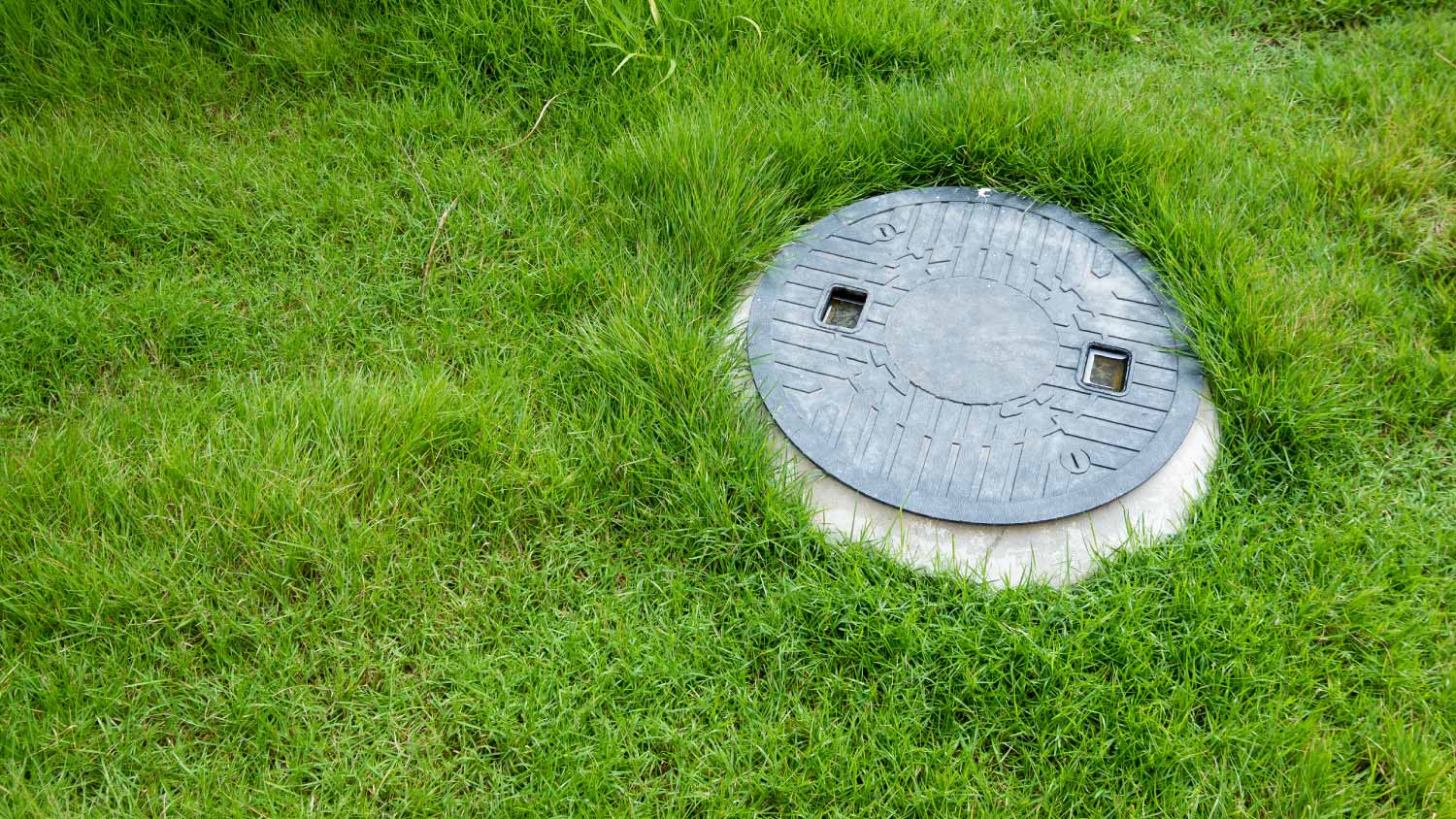
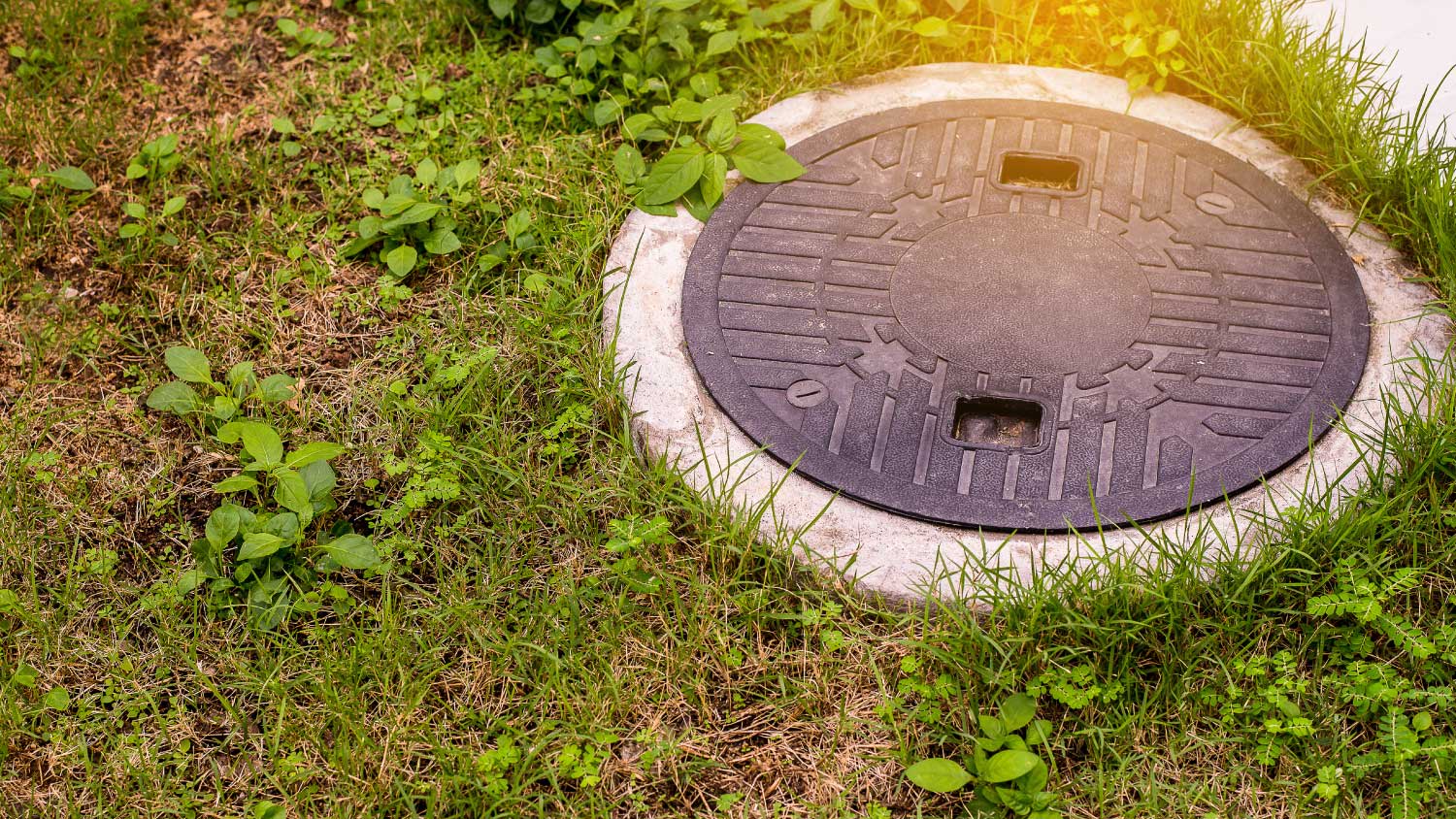
Septic tank risers make it easy to access your septic tank when it’s time for routine inspection, maintenance, and pumping, saving you precious time and labor costs.
Septic tank sizes vary depending on the size of your home, how many people live there, how much water you use, and more. Read on to learn how to determine the right size for you.