


Top-rated septic tank pros.

Best septic tank pros near Malta, IL

Enter your zip and get matched with up to 5 pros

Need a pro for your septic tank service project in Malta, IL?

Select your specific project to find the pro for you.

Top-Rated Septic tank pros in Malta - Updated Nov 2026

Avatar for GPD Septic Excavating - Startseite  Facebook
GPD Septic Excavating - Startseite Facebook
5.0(
5
)
Septic System - Repair

Serving Malta, IL and surrounding areas

In business since 1997

Free estimates

Credit card accepted

"Great People to work with from start to finish. They did an excellent job at a reasonable price making quick work of replacing a distribution box in our septic system. They know their stuff and I would absolutely call them again should the need arise. Thanks Guys!"
Response time1 day
Recommended by100%of homeowners
Plumbing Help & Co.
New to Angi
Septic System - Install or ReplaceSeptic System - Repair

Serving Malta, IL and surrounding areas

Hi, I’m a skilled and reliable plumbing professional serving the Chicagoland area. I specialize in residential and light commercial work, including repairs, installations, and troubleshooting everyday plumbing issues.\n\nI take pride in doing the job right the first time, showing up on time, and communicating clearly so there are no surprises. Whether it’s a small fix or a bigger project, my goal is to provide quality work, fair pricing, and service you can trust.\n\nI look forward to helping you keep your plumbing running smoothly.

Septic Tanks FAQs, answered by experts

Yes, shower water goes into the septic tank. Shower water is a type of greywater, and in fact, all water used in a home with a septic system—including water from sinks, toilets, the dishwasher, and the washing machine—drains into the tank. When shower water enters the tank, debris like soap and hair travels with it. The solid debris sinks to the bottom to become sludge, while soap residue joins the scum layer at the top. The remaining water is treated in the tank before moving to the drain field for further treatment and dispersal. It is important to avoid putting oil or harsh chemicals down any drain, as they can cause clogs or disrupt the beneficial bacteria required for proper wastewater management in the septic system.

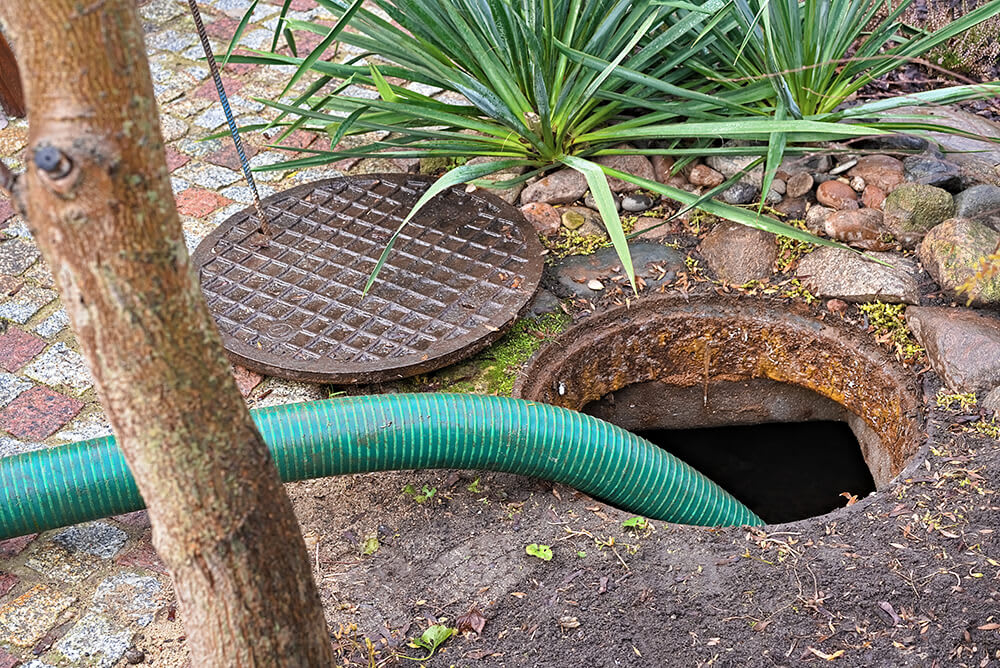
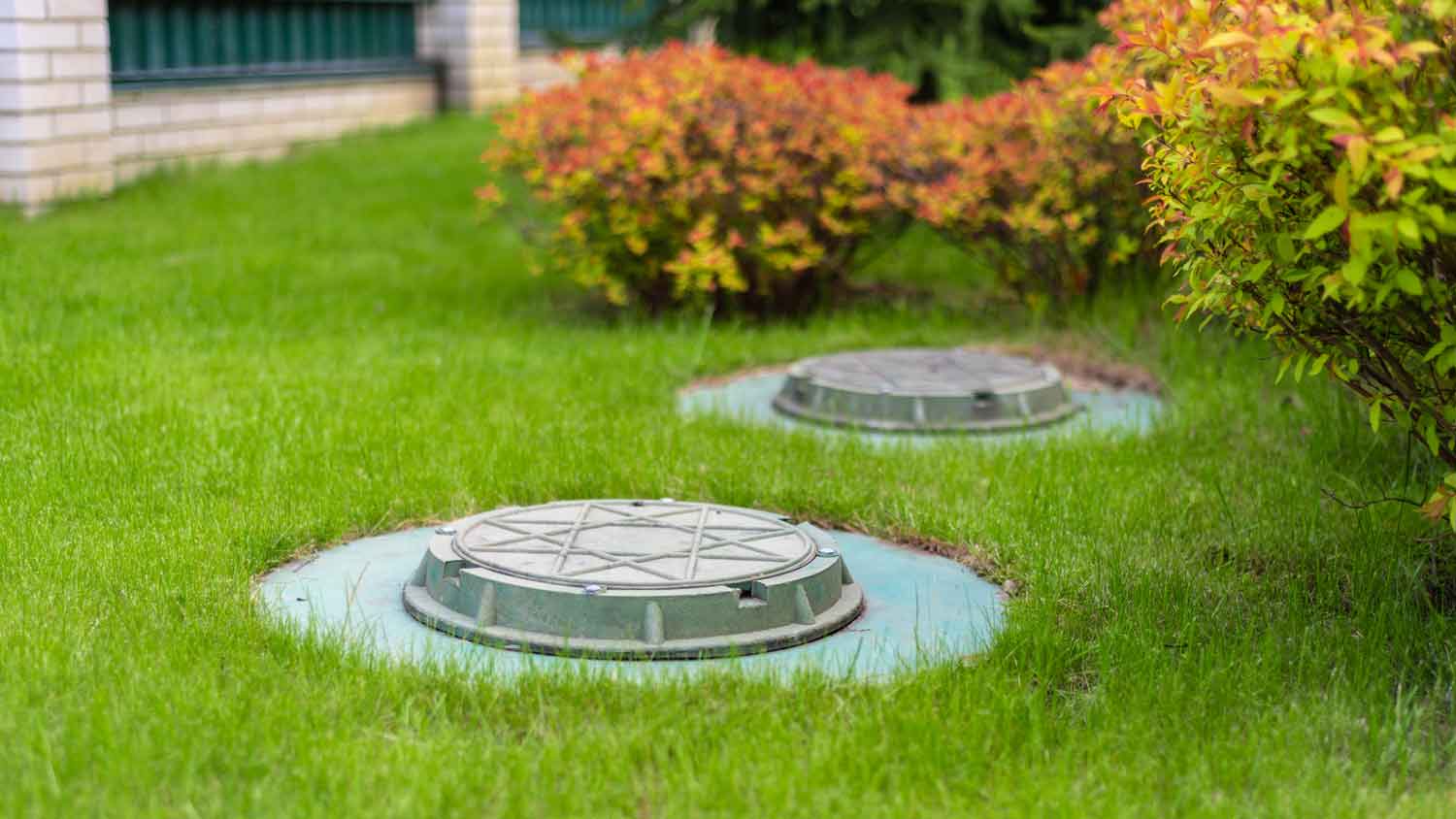
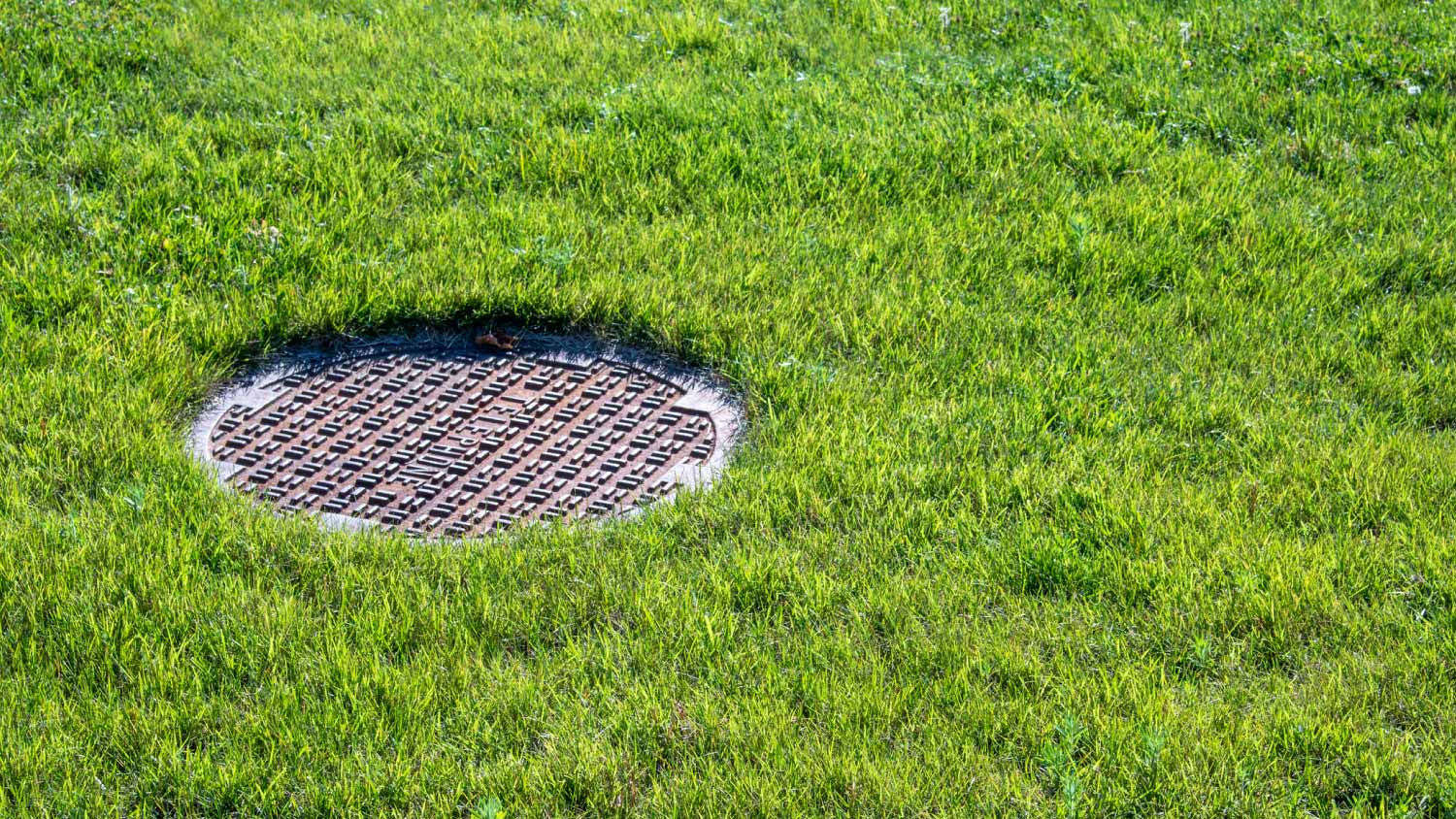
Unlike an urban sewer system that runs wastewater into a central drainage system, septic tanks are a house-by-house system. They are the ultimate destination for all your house’s wastewater—from bathtubs, showers, sinks, toilets, and washing machines. Wastewater flows into a tank buried in the ground outside your home, and then water runs from the tank to a drainage field using sloped pipes.

The purpose of a septic tank is to allow solid wastes to separate out of the wastewater using time, gravity, and other natural biological processes. If your septic tank is too small, it might be overwhelmed by solid waste and unable to accomplish this task—and if it’s far too large, there won’t be enough liquid in the tank to nurture the necessary bacteria to aid in the breakdown process.

Rainwater doesn't have a direct impact on the amount of water in your well. Instead, the majority of rain runs off into other bodies of water such as streams, rivers, and lakes. These bodies of water may sometimes function as the area’s reservoir and create aquifers, which then help to replenish your well.

Neither system is necessarily better or worse than the other, but one of the two might be better for your needs. For example, anaerobic systems are less expensive than aerobic ones and don’t use power to run. On the other hand, aerobic septic systems don’t take up as much space and are typically more efficient than their anaerobic counterparts.

The Malta, IL homeowners’ guide to septic tank services

From average costs to expert advice, get all the answers you need to get your job done.